
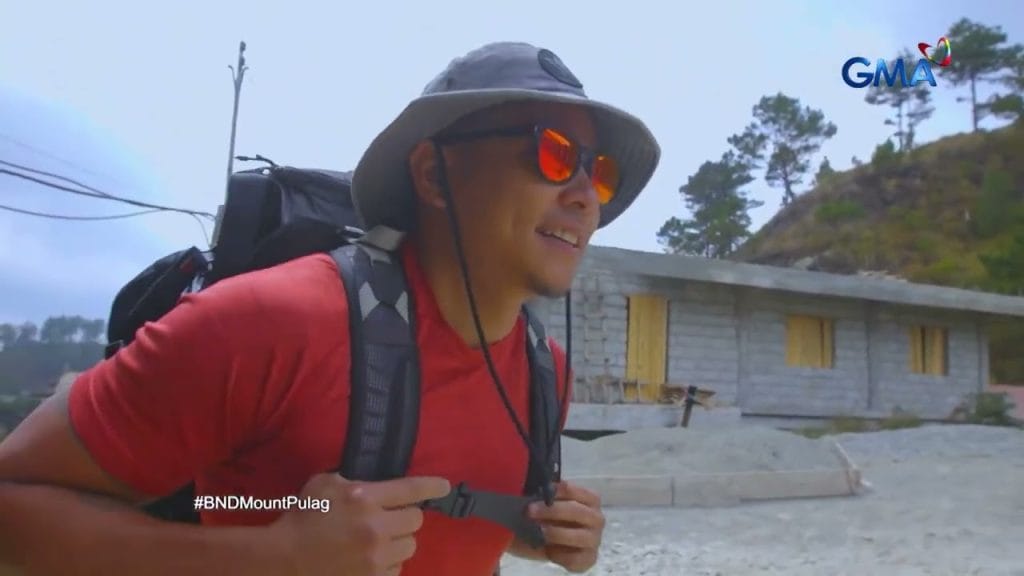
📺 Watch the Full Travel Vlog Episode!
Want to explore Ascending the Clouds A Comprehensive Trek to the Summit of Mount Pulag in full detail? Watch the full travel vlog episode on Video Hub for actual footage, itinerary tips, and commuter guides.
👉 Watch the Ascending the Clouds A Comprehensive Trek to the Summit of Mount Pulag Video →
Destination Highlights
- 📍 The ethereal transition from pine forest to dwarf bamboo grasslands.
- 📍 Bivouacking at Camp 2 to witness the astronomical display above the clouds.
- 📍 The cultural immersion within the ancestral lands of the Ibaloi and Kalanguya tribes.
- 📍 The sub-zero temperature challenge that tests the endurance of every mountaineer.
- 📍 Panoramic vistas of the Cordillera mountain range at the summit’s peak.
The Gateway to the Heavens
Mount Pulag stands as a sentinel of the Cordilleras, rising 2,928 meters above sea level to puncture the veil between the earth and the heavens. For those who seek the quintessential Philippine mountaineering experience, this peak is not merely a destination but a transformative pilgrimage. The journey begins in the quiet highland towns where the air grows thin and sharp, carrying the scent of damp pine needles and the distant, rhythmic echoes of traditional mountain life. As travelers venture deeper into the Benguet province, the landscape shifts from rolling vegetable terraces to dense, ancient woodlands that seem to hold the whispers of the Ibaloi and Kalanguya people who have long served as the guardians of these slopes.
The ascent is a study in vertical ecology, where every hundred meters of elevation gain reveals a distinct shift in biodiversity. Hikers find themselves transitioning from the aromatic pine groves, where sunlight filters through needles in golden shafts, into the mystical mossy forest. Here, gnarled trees are draped in thick, velvety blankets of lichen and epiphytes, creating a cathedral-like atmosphere that feels entirely detached from the modern world. It is a sensory immersion that demands silence and respect, forcing one to slow their pace and synchronize their breath with the rhythmic crunch of boots against the damp, fertile soil.
Reaching the summit before dawn is the ultimate objective, a feat that requires a cold, pre-dawn start through the dwarf bamboo grasslands. This region, often referred to as the ‘Playground of the Gods,’ is where the terrestrial world ends and the clouds take precedence. The trek is physically demanding, yet the promise of the sunrise keeps the spirit buoyant. As the horizon begins to bruise with shades of violet and indigo, the realization hits that one is standing atop the roof of Luzon, suspended in a silent, icy void awaiting the first spark of the day.
The Cultural Tapestry of the Cordilleras
To walk the trails of Mount Pulag is to traverse the ancestral domains of the indigenous tribes who have cultivated a profound, spiritual relationship with the mountain for centuries. The Ibaloi and Kalanguya people consider Pulag a sacred space, a bridge to their ancestors and a source of life-giving water for the valleys below. Visitors are encouraged to engage with the local communities not as mere tourists, but as guests entering a living sanctuary. Cultural sensitivity is paramount; understanding the rituals and the deep-seated reverence the locals hold for the land adds a layer of significance to every step taken on the trail.
Local guides are more than just navigators; they are the living repositories of the mountain’s lore and environmental knowledge. They share stories of the ‘dwarfs’ and spirits that inhabit the mossy forests, weaving a tapestry of mythology that makes the landscape feel animated. When trekking, one might notice small offerings or specific paths that local guides treat with extra care; these are remnants of a belief system that mandates reciprocity with nature. By hiring local guides, travelers directly support the economy of these secluded villages, ensuring that the preservation of the mountain remains a viable livelihood for the youth who call these highlands home.
The culinary aspect of the region also reflects the rugged beauty of the environment. Warm, hearty meals of locally grown heirloom rice, mountain vegetables, and smoked meats provide the necessary fuel for the climb. Sharing a meal with locals in the base camps is an opportunity to appreciate the simplicity and resilience of high-altitude living. These moments of connection—the clinking of tin mugs, the steam rising from a shared pot, and the laughter echoing against the mountain walls—are the true heart of the experience, reminding us that mountain culture is defined by its warmth in the face of the biting cold.
The Scientific and Environmental Imperative
Mount Pulag is a critical biodiversity hotspot, hosting species found nowhere else on the planet, including the vulnerable Luzon shrew-rat and the Philippine pine. The fragile ecosystems within the national park are highly susceptible to the pressures of human foot traffic, making the ‘Leave No Trace’ philosophy a non-negotiable aspect of the trip. Every piece of trash, every stray step off the trail, and every noise pollution incident has a cumulative effect on the health of the mountain. It is a shared responsibility of every mountaineer to ensure that the sea of clouds remains pristine for the generations that follow.
The environmental management of the park has become increasingly rigorous, with strict quotas on the number of hikers allowed on the trails daily. This is not a barrier to entry, but a vital preservation strategy to prevent soil erosion and the degradation of the delicate alpine flora. Planning a trip to Mount Pulag requires patience and proactive coordination with the Department of Environment and Natural Resources (DENR). Travelers should view the permit process as the first step in a commitment to sustainability, recognizing that the right to stand on the summit is earned through responsible stewardship and adherence to established ecological guidelines.
As the climate changes, the high-altitude cloud forests face unprecedented threats, including shifts in temperature and moisture levels that could alter the mountain’s ability to act as a water tower for the region. Observing the flora—from the vibrant rhododendrons to the hardy mosses—offers a sobering look at how precious these habitats are. By visiting with an intentional mindset, travelers contribute to a culture of conservation. The goal is to leave the mountain exactly as it was found, ensuring that the silent, misty majesty of Mount Pulag continues to inspire awe and humility in all who make the arduous climb.
🛑 Done Reading? Watch the Full Travel Breakdown!
Catch all the scenic views, budget breakdowns, and insider travel tips for Ascending the Clouds A Comprehensive Trek to the Summit of Mount Pulag.
▶️ Watch the Full Ascending the Clouds A Comprehensive Trek to the Summit of Mount Pulag Tour →
Traveler’s Planner & Itinerary
- 1. Secure permits from the DENR Protected Area Management Board weeks in advance.
- 2. Hire a certified local guide from the Bokod or Kabayan tourism offices.
- 3. Prepare high-altitude thermal gear, as temperatures often drop below freezing.
- 4. Practice ‘Leave No Trace’ principles to preserve the fragile alpine ecosystem.
- 5. Acclimatize in Baguio City or nearby highland villages for 24 hours prior to the hike.
Frequently Asked Questions
- Is it necessary to hire a guide? Yes, a certified local guide is mandatory for all hikers to ensure safety and preserve the protected area.
- What is the best time of year to hike? The cool, dry months from November to February offer the highest probability of clear skies and the iconic sea of clouds.
- How cold does it get at the summit? Temperatures can drop to near-freezing levels, often reaching 0 to 5 degrees Celsius, necessitating heavy thermal gear.
- Are there facilities available on the mountain? Facilities are very basic, consisting of designated campsites with limited water and pit toilets; hikers must be prepared for self-contained camping.
- Do I need a medical certificate? Yes, the park authorities require a medical certificate to ensure you are physically fit for the high-altitude trek.
Original coverage: Watch on YouTube
About The Author


