
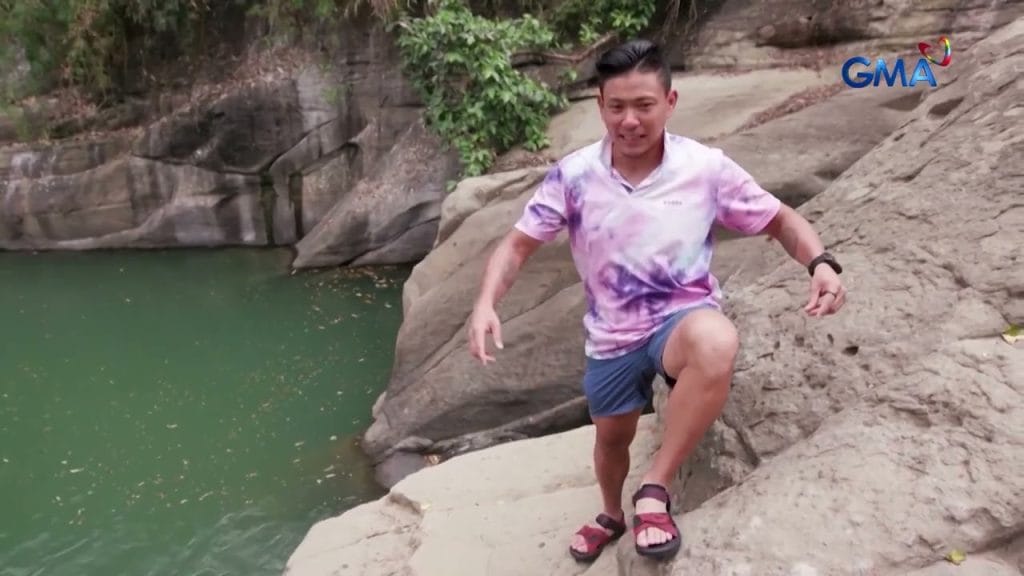
📺 Watch the Full Travel Vlog Episode!
Want to explore La Union Beyond the Surf A Cultural and Coastal Odyssey in full detail? Watch the full travel vlog episode on Video Hub for actual footage, itinerary tips, and commuter guides.
👉 Watch the La Union Beyond the Surf A Cultural and Coastal Odyssey Video →
Destination Highlights
- 📍 Artisanal weaving traditions in the heart of Bangar
- 📍 Farm-to-table coastal gastronomy in San Juan
- 📍 Hidden waterfalls and lush interior trekking trails
- 📍 Historic colonial architecture in San Fernando
- 📍 Sustainable tourism initiatives in local coastal communities
The Rhythm of the Northern Coast
La Union, often abbreviated as Elyu by the local surf community, presents a dual identity that few travelers fully comprehend. While the coastline is perpetually defined by the rhythmic pulse of the Pacific swell hitting San Juan, the true essence of the province lies in the quiet spaces between the waves. Arriving in La Union feels like stepping into a region where the pace of life recalibrates itself to the movement of the tides and the seasonal harvest of the interior plains.
As one navigates the winding roads that hug the coastline, the landscape shifts from golden sandy stretches to rugged cliffs that offer panoramic views of the West Philippine Sea. The transition from the urban sprawl of San Fernando to the sleepy, sun-drenched town of Bacnotan illustrates the province’s capacity for variety. Here, the air is thick with the scent of salt and drying tobacco leaves, a reminder of the agricultural heritage that precedes the recent surge in tourism.
To experience La Union authentically, one must look toward the horizon at dawn. The morning light reveals local fishermen meticulously mending their nets, a tradition that has remained unchanged for generations. Engaging with these locals provides a perspective that is entirely absent from the typical tourist itinerary, grounding the traveler in the reality of a community that has lived in harmony with the sea for centuries.
Artisan Legacies in Bangar
Venturing north to the town of Bangar, the atmosphere changes from coastal adrenaline to focused craftsmanship. This town is the repository of the Abel Iloko weaving tradition, a complex art form that uses wooden looms to create intricate, durable fabrics. The sound of the wooden shuttle clicking against the frame is the heartbeat of these local workshops, where elderly weavers pass down patterns that tell stories of the Ilocano spirit.
The process of creating Abel fabric is labor-intensive, requiring not just physical strength but immense patience. Each thread is dyed using natural pigments and woven with a precision that speaks to the dedication of the artisans. Observing this craft firsthand, one gains a profound appreciation for the slow fashion movement, as these textiles are not merely products but are cultural artifacts meant to last a lifetime.
Supporting these local artisans is a critical aspect of sustainable travel in La Union. By choosing to purchase directly from the weavers, travelers ensure that the economic benefits of tourism reach the families who preserve these traditions. It is a tangible way to participate in the preservation of Philippine intangible heritage, ensuring that the loom remains a central feature of the Bangar landscape for future generations.
The Culinary Evolution of the Coast
The culinary landscape of La Union has undergone a remarkable transformation. While traditional Ilocano favorites like pinakbet and bagnet remain staples of the local diet, a new wave of chefs is reimagining these flavors through modern, farm-to-table techniques. The focus has shifted toward utilizing hyper-local ingredients sourced from the nearby mountains and the daily catch from the coast.
Dining in San Juan now involves a sensory journey through the region’s biodiversity. One might find grilled seafood seasoned with local sea salt and herbs, paired with fermented vegetable sides that provide a sharp, acidic contrast to the richness of the main dishes. These culinary experiences are often housed in open-air structures that allow the sea breeze to circulate, enhancing the connection between the food and the environment.
Beyond the trendy cafes, the roadside eateries or carinderias offer the most honest representation of local flavor. Stopping at a humble spot for a bowl of fresh, steaming seafood soup is an essential rite of passage. It is in these settings that the true hospitality of the Ilocano people is most evident, often shared over stories of the sea and the changing seasons that dictate the availability of the day’s catch.
🛑 Done Reading? Watch the Full Travel Breakdown!
Catch all the scenic views, budget breakdowns, and insider travel tips for La Union Beyond the Surf A Cultural and Coastal Odyssey.
▶️ Watch the Full La Union Beyond the Surf A Cultural and Coastal Odyssey Tour →
Traveler’s Planner & Itinerary
- 1. Best time to visit: November to April for optimal weather and peak surf conditions
- 2. Transportation: Private vehicle via TPLEX for a 4-5 hour scenic drive from Manila
- 3. Accommodation: Boutique hostels in San Juan for social travelers, private villas in Bacnotan for seclusion
- 4. Local Etiquette: Always ask permission before photographing local artisans and respect the Leave No Trace policy on beaches
- 5. Essential Gear: Reef-safe sunscreen, comfortable trekking sandals, and a reusable water canteen
Frequently Asked Questions
- Is La Union accessible for public transport? Yes, there are regular air-conditioned buses from Manila that reach San Juan and San Fernando directly.
- Are the beaches safe for swimming? Yes, but always heed the warning signs, especially during high-tide and monsoon seasons.
- What is the best way to support the local economy? Purchase handmade textiles from local weavers and dine at locally-owned independent restaurants.
Original coverage: Watch on YouTube
About The Author


