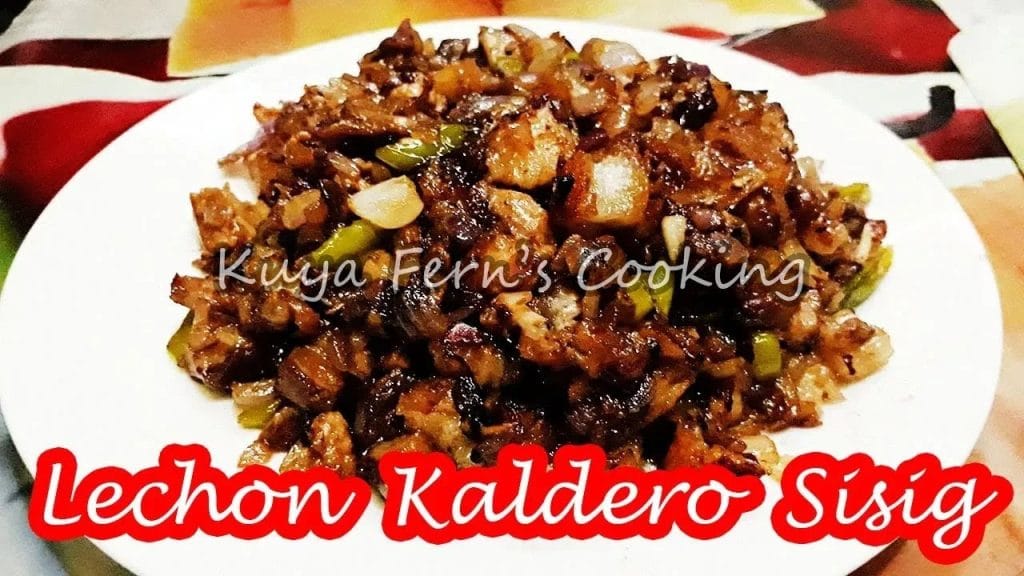
📺 Watch the Full Cooking Video Episode!
Want to see how Lechong Kaldero Sisig is prepared step-by-step? Watch the full cooking video on our Video Hub to see exact heat controls, timing, and real preparation.
Ingredients (Mga Sangkap)
- ✔ 2kg Pork Belly (Liempo): The foundation of our culinary narrative, chosen for the perfect equilibrium between succulent fat and tender muscle, destined to be braised until it yields to the slightest touch.
- ✔ 1 head of Native Garlic: Cloves hand-smashed to release their pungent, earthy oils, serving as the aromatic backbone that sings when introduced to the searing heat of the iron wok.
- ✔ 3 large Red Onions: Finely diced into uniform jewels that offer a sharp, sweet bite, providing the necessary acidity and crunch to cut through the richness of the rendered pork fat.
- ✔ 6 pieces Bird’s Eye Chili (Siling Labuyo): Tiny, fiery embers that introduce a sophisticated heat, carefully balanced to provide an exhilarating tingle without overwhelming the delicate nuances of the meat.
- ✔ 1/2 cup Calamansi Juice: The liquid sunshine of the Philippines, offering a bright, citrusy acidity that elevates the deep savory profile of the dish to a higher plane of culinary existence.
- ✔ 1/2 cup Liver Spread: A velvety, umami-rich secret weapon that binds the dish together, adding a subtle, metallic earthiness that is quintessential to authentic Kapampangan-style sisig.
The Soul of the Kaldero
To understand the Lechong Kaldero Sisig is to understand the heartbeat of the Filipino home. It is not merely a dish; it is a labor of love, a testament to the patience required to transform humble ingredients into a masterpiece. In the Mavhic kitchen, we believe that the best stories are written in the language of flavor, and this recipe is our magnum opus of pork-centric indulgence.
The process begins long before the fire is lit. It starts with the selection of the liempo, the slab of pork belly that serves as our canvas. We treat it with the reverence one might afford a sacred relic, simmering it slowly in aromatics until the collagen dissolves, creating a melt-in-the-mouth texture that defies logic. This is the essence of Filipino comfort—the ability to take the simple and render it sublime.
As the aroma of boiling spices wafts through the house, memories of our grandmothers’ kitchens come alive. There is a specific nostalgia in the scent of bay leaves and peppercorns swirling in the humid air. By the time we move to the searing stage, we are not just cooking; we are participating in a generational ritual, ensuring that the legacy of our culinary identity remains vibrant, bold, and incredibly delicious.
The Art of the Sizzle
The transition from a braised slab of meat to the legendary Sisig texture is where the magic truly happens. Using the kaldero, an iconic vessel in our culture, we manipulate heat to achieve a dual texture: the crispy, salty skin and the succulent, tender fat. This is the hallmark of a world-class Sisig. It is about texture as much as it is about taste.
When you toss the chopped pork into the scorching pan, the sound is unmistakable. It is the sizzle of tradition, a crackling soundscape that signals the release of flavor. We stir constantly, ensuring that the rendered fat coats every piece, infusing it with a richness that is both decadent and deeply satisfying. Mavhic celebrates this process as the pinnacle of home-cooked gastronomy.
The integration of the liver spread is the ‘chef’s secret’ that anchors the dish. It provides a creamy, earthy depth that rounds out the sharp heat of the siling labuyo. Without it, the dish lacks its soul; with it, the Lechong Kaldero Sisig becomes an orchestral performance of umami, citrus, and heat that lingers on the palate long after the final bite.
Step-by-Step Cooking Guide
- 1. Step 1: The Ritual of the Braise. Begin by submerging your pork belly in a deep pot of cold water, seasoned generously with cracked peppercorns, bay leaves, and a palm-full of sea salt. Allow the water to reach a gentle, rhythmic simmer, mimicking the slow heartbeat of a quiet afternoon in a provincial kitchen, until the meat becomes tender enough to be pierced by a dull wooden spoon.
- 2. Step 2: The Transformation through Heat. Once the pork has cooled and been patted dry, heat a heavy-bottomed kaldero (or cast-iron skillet) until it begins to smoke. Introduce the pork belly, listening intently as the skin crackles and pops—a visceral symphony of rendered fat—until every surface is burnished to a deep, mahogany gold, creating that sought-after lechon-like texture.
- 3. Step 3: The Marriage of Aromatics. Remove the crisp pork, chop it into rustic, bite-sized cubes, and return them to the pan with the sautéed garlic and onions. As the onions turn translucent and the garlic releases its golden perfume, fold in the liver spread and chilies, stirring with passion until the mixture achieves a glossy, cohesive, and intoxicatingly fragrant state.
- 4. Step 4: The Final Flourish. Turn off the heat and douse the sizzling mixture with the fresh calamansi juice, allowing the steam to carry the aroma of citrus and rendered fat into every corner of the room. Serve immediately on a hot sizzling plate, garnished with a final sprinkle of fresh chili and onions, ensuring every bite is a warm embrace of Filipino heritage.
🛑 Done Reading? Watch the Video Breakdown!
Catch all the practical kitchen tips, taste tests, and full preparation steps for Lechong Kaldero Sisig.
Frequently Asked Questions
- What is the secret to the perfect texture in Lechong Kaldero Sisig? The secret lies in the double-cooking process: braising until tender followed by a high-heat sear to achieve crispy skin and rendered fat.
- Can I substitute the liver spread if I prefer a lighter flavor? While liver spread provides the authentic richness, you can substitute it with a blend of mayonnaise and a hint of soy sauce for a milder, creamier profile.
- How do I ensure the pork doesn’t get too dry? Do not over-boil the pork during the initial braising stage and ensure you keep some of the rendered fat in the pan during the final sauté to maintain moisture.
Original coverage: Watch on YouTube
About The Author