Ingredients Needed
- 2 lbs beef chuck roast, cut into 1.5-inch cubes
- 2 tablespoons neutral oil
- 1 large yellow onion, diced
- 4 cloves garlic, minced
- 1/2 cup liver spread or liver pate
- 1 cup tomato sauce
- 2 tablespoons tomato paste
- 2 cups beef broth
- 2 large potatoes, peeled and quartered
- 2 large carrots, peeled and sliced into chunks
- 1 red bell pepper, sliced into strips
- 1/2 cup grated sharp cheddar cheese
- 1/2 cup frozen peas
- 2 bay leaves
- 1 teaspoon chili flakes (optional for heat)
- Salt and freshly cracked black pepper to taste
Origin & Culinary Story
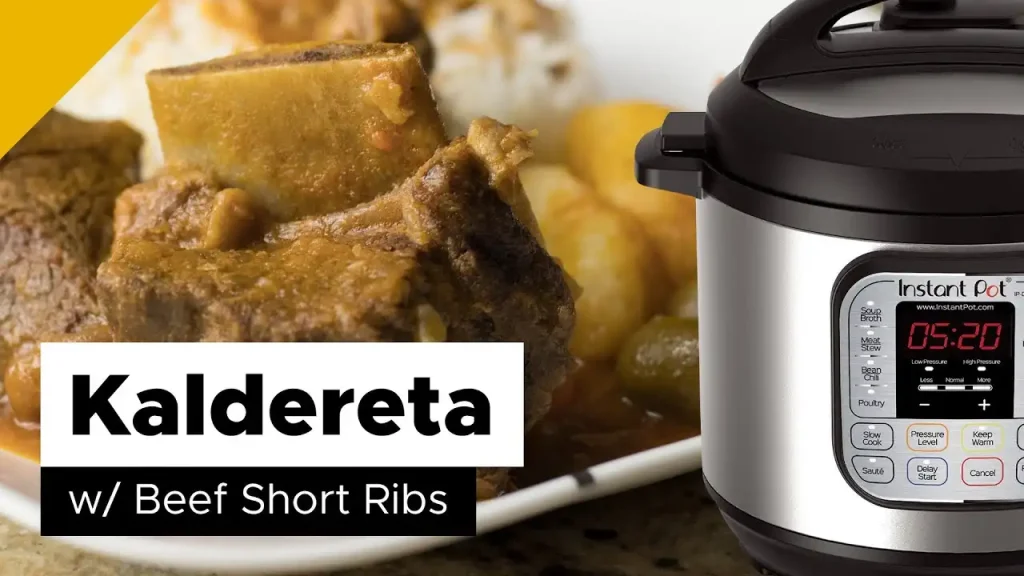
Kaldereta finds its culinary roots in the Spanish colonial period, with its name derived from the Spanish word ‘caldera,’ meaning cauldron. While originally associated with goat meat, Filipino households adapted the recipe over generations to include beef, pork, or chicken. The signature addition of liver spread—a local pantry staple—provides a distinct, earthy depth that balances the acidity of the tomatoes, turning a humble stew into a celebratory dish served at weddings, fiestas, and Sunday family gatherings.
The Culinary Experience
The cooking process is a masterclass in building layers of flavor. Starting with a hard sear on the beef creates a foundation of caramelized proteins, while the subsequent deglazing step ensures every ounce of flavor is lifted from the bottom of the pot. The liver spread is the secret weapon here; it dissolves into the broth to create a silky, opaque sauce that clings perfectly to the chunks of tender meat and hearty root vegetables. The finishing touch of sharp cheddar cheese adds a subtle, creamy tang that rounds out the spices and brings a modern flair to this timeless classic.
Serving Kaldereta is an experience best shared with loved ones. The aroma of simmering tomatoes, bay leaves, and tender beef filling the kitchen is enough to draw everyone to the table. As you ladle the stew into bowls, the bright pops of color from the bell peppers and peas provide a visual contrast to the deep, rustic gravy. It is a meal that feels like home, whether you are preparing it for a busy weeknight dinner or a special occasion that demands something truly soulful and satisfying.
Step-by-Step Cooking Instructions
- 1Set the Instant Pot to the Sauté function and heat the oil until shimmering, then sear the beef cubes in batches until deeply browned on all sides and remove from the pot.
- 2Add the onion and garlic to the remaining fat, sautéing until fragrant and softened, then stir in the tomato paste and cook for one minute to deepen its color.
- 3Deglaze the pot with a splash of beef broth, scraping up all the browned bits from the bottom to ensure no burn warnings occur.
- 4Return the beef to the pot, then pour in the remaining broth, tomato sauce, liver spread, bay leaves, and chili flakes, stirring until well combined.
- 5Secure the lid, set to Manual or Pressure Cook on High for 35 minutes, then perform a natural pressure release for 15 minutes before venting.
- 6Open the lid, add the potatoes and carrots, and pressure cook on High for an additional 5 minutes, followed by a quick release.
- 7Switch back to Sauté, stir in the bell peppers, peas, and grated cheese, simmering for 3-5 minutes until the sauce thickens and the vegetables are tender.
- 8Adjust seasoning with salt and pepper, discard the bay leaves, and serve hot over steamed white rice.
Kitchen Secrets & Pro Tips
- Always sear your beef in batches; crowding the pot will cause the meat to steam rather than brown, robbing you of that essential Maillard reaction.
- Don’t skip the liver spread, as it acts as both a flavor enhancer and a natural thickener for the signature velvety sauce.
- If you prefer a thicker sauce, crush a few of the cooked potato chunks directly into the stew before serving to naturally emulsify the gravy.
- Using sharp cheddar cheese instead of mild varieties provides a necessary salty kick that cuts through the richness of the tomato and liver base.
Frequently Asked Questions
- Is it possible to use goat meat instead of beef? Yes, goat meat is the traditional protein for Kaldereta, but it requires a longer pressure cooking time of at least 45 minutes to become tender.
- Can I freeze the leftovers? Absolutely, Kaldereta tastes even better the next day as the flavors continue to meld, and it freezes beautifully for up to three months.
- What if I cannot find liver spread? You can substitute it with high-quality chicken liver pate or simply omit it and use an extra tablespoon of tomato paste mixed with a pinch of smoked paprika for depth.
Disclaimer: This recipe guide is created for educational purposes and the preservation of Filipino culinary culture.
About The Author