Ingredients Needed
- 2 lbs pork belly or pork ribs, cut into 2-inch chunks
- 1 large yellow onion, quartered
- 3 medium tomatoes, quartered
- 1 pack (40g) sinigang mix (tamarind base) or 1 cup fresh tamarind extract
- 2 tablespoons fish sauce (patis)
- 1 small daikon radish, sliced into rounds
- 1 bunch water spinach (kangkong), stems and leaves separated
- 5-6 pieces okra
- 2 long green finger chilis (siling haba)
- 6 cups water
- 1 tablespoon neutral cooking oil
Origin & Culinary Story
Sinigang is widely considered the true national dish of the Philippines, predating Spanish colonization. Its name comes from the Tagalog word ‘sigang,’ meaning ‘to stew.’ Historically, Filipinos used local souring agents like tamarind, guava, calamansi, or bilimbi (kamias) to cut through the richness of fatty meats, creating a balanced, refreshing profile that reflects the biodiversity of the archipelago.
The Culinary Experience
The beauty of Sinigang lies in its versatility and the way it celebrates the harvest. While the pork provides the weight, the vegetables provide the texture. The snap of the okra, the mild crunch of the daikon, and the silky bite of the water spinach create a layered eating experience. Every Filipino household has a variation, but the mastery of the dish lies in the balance of the broth—achieving that perfect ‘asim’ (sourness) that makes your mouth water without being harsh on the palate.
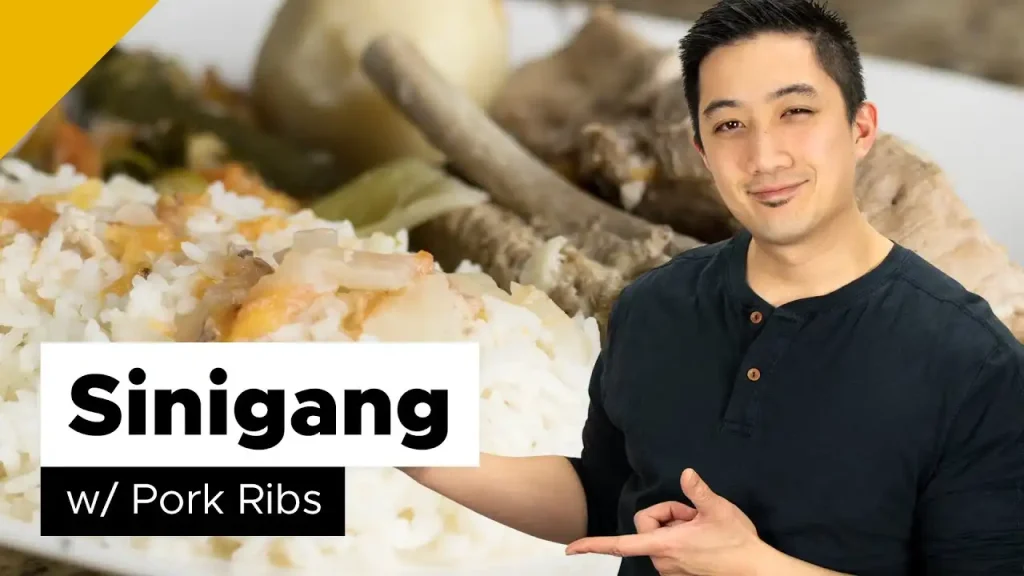
Serving Sinigang is a ritual best enjoyed with a mountain of steaming white rice. The rice acts as a neutral base that soaks up the tart broth, turning every bite into a comforting mouthful. Whether you are battling a humid afternoon or a cold rainy evening, this stew is the culinary equivalent of a warm hug. It is a testament to the Filipino philosophy of ‘bayanihan’ and the simple joy of sharing a hearty, vibrant meal with those you love.
Step-by-Step Cooking Instructions
- 1Heat oil in a large heavy-bottomed pot over medium-high heat and sear the pork pieces until lightly browned on all sides to develop deep flavor.
- 2Add the onions and tomatoes, sautéing until the tomatoes begin to soften and release their juices.
- 3Pour in the fish sauce and stir well, allowing the pork to absorb the savory aroma for two minutes.
- 4Pour in the water and bring to a gentle boil, skimming off any gray foam or impurities that rise to the surface to ensure a clear, clean broth.
- 5Reduce heat to low, cover, and simmer for 45 to 60 minutes or until the pork is fork-tender.
- 6Stir in the tamarind mix or extract and add the daikon radish, cooking for 5 minutes.
- 7Add the okra and green finger chilis, simmering for another 3 minutes.
- 8Turn off the heat and stir in the water spinach, covering the pot for 2 minutes to allow the residual heat to wilt the greens perfectly while keeping them bright and crisp.
- 9Serve hot in a deep bowl alongside a side dish of extra fish sauce and crushed chili.
Kitchen Secrets & Pro Tips
- Always use a mix of fatty pork belly and meaty ribs; the fat renders into the broth, creating a silky mouthfeel that balances the sharp acidity.
- For the most authentic flavor, use fresh tamarind fruit boiled and mashed through a sieve rather than instant powder packets.
- Add your green leafy vegetables last and turn off the heat immediately; overcooking kangkong turns it mushy and darkens the broth.
- Do not skip the fish sauce; it provides the essential ‘umami’ foundation that rounds out the intense sourness of the tamarind.
Frequently Asked Questions
- What can I use if I cannot find tamarind? You can substitute with calamansi juice, lemon, or even green mangoes for a similar sour profile.
- Can I use beef instead of pork? Yes, ‘Sinigang na Baka’ is a popular variation, though it requires a longer simmering time to tenderize the beef.
- How do I keep the broth from becoming cloudy? Skim the foam continuously during the first 10 minutes of boiling and avoid boiling the soup aggressively after the meat is tender.
Disclaimer: This recipe guide is created for educational purposes and the preservation of Filipino culinary culture.
About The Author