Ingredients Needed
- 2 lbs pork belly, cut into 1.5-inch cubes
- 1/2 cup high-quality soy sauce
- 1/3 cup Filipino cane vinegar (datu puti)
- 1 head garlic, smashed and peeled
- 2 teaspoons whole black peppercorns
- 3 dried bay leaves
- 1 tablespoon brown sugar
- 1 cup water
- 2 tablespoons neutral cooking oil
Origin & Culinary Story
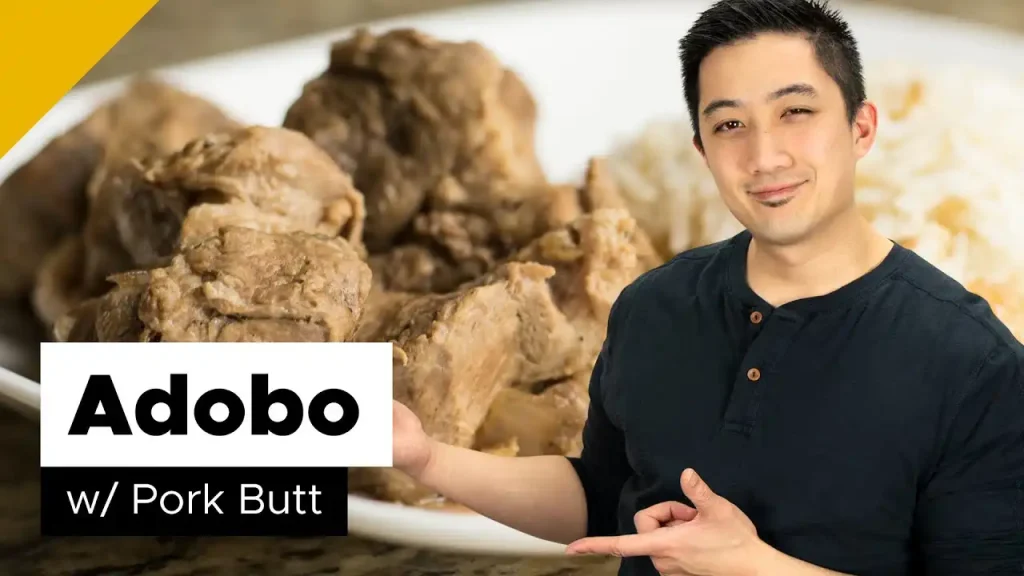
Adobo is often called the unofficial national dish of the Philippines, with roots that predate Spanish colonization. Originally a method of preserving meat using vinegar and salt in the tropical climate, the dish evolved as Chinese traders introduced soy sauce, creating the iconic profile we recognize today. Every household across the archipelago has its own variation, with regional nuances ranging from the coconut-milk-infused Adobo sa Gata of the Bicol region to the dry, fried versions found in the northern provinces.
The Culinary Experience
Cooking this dish is an exercise in sensory feedback. You know the adobo is nearing completion when the sauce begins to thicken and the oil starts to shimmer and separate from the soy reduction. This is the ‘mantika’ stage, where the flavors have reached their peak concentration. The aroma filling the kitchen is unmistakable—a pungent, savory, and slightly tangy scent that signals a meal centered on warmth and heritage.
Serving adobo is a ritual in itself. It demands a plate of pristine, fluffy jasmine rice to soak up every drop of that intense, vinegary sauce. Often accompanied by sliced fresh tomatoes or a simple side of pickled green papaya, the dish provides a perfect harmony of textures. Whether eaten for a quick lunch or as the star of a family Sunday dinner, a well-made pork adobo is a testament to the soul of the Filipino kitchen, reminding us that the best meals are often born from modest ingredients and time-honored techniques.
Step-by-Step Cooking Instructions
- 1Combine the pork, soy sauce, and smashed garlic in a large bowl. Marinate for at least 30 minutes, though overnight is ideal for deeper flavor penetration.
- 2Remove the pork from the marinade, reserving the liquid for later, and pat the meat dry with paper towels to ensure a better sear.
- 3Heat the oil in a heavy-bottomed pot or Dutch oven over medium-high heat and sear the pork pieces until they develop a deep golden-brown crust on all sides.
- 4Pour the reserved marinade and the water into the pot, scraping up any browned bits from the bottom with a wooden spoon.
- 5Add the bay leaves and whole peppercorns, then bring the liquid to a gentle boil.
- 6Reduce the heat to low, cover, and simmer for 45 to 60 minutes, or until the pork is fork-tender.
- 7Remove the lid, stir in the vinegar, and add the brown sugar. Increase the heat slightly to let the sauce reduce and thicken into a glossy, dark glaze.
- 8Continue cooking for another 10 minutes until the oil separates from the soy sauce, indicating the dish is perfectly rendered.
- 9Serve immediately over a generous mound of steaming jasmine rice.
Kitchen Secrets & Pro Tips
- Do not stir the vinegar immediately after adding it; let it simmer uncovered for a few minutes to allow the raw, acidic edge to mellow out.
- Use a mix of pork belly and pork shoulder for the perfect balance of fatty richness and meaty texture.
- If you have time, let the adobo sit overnight in the refrigerator; the flavors deepen significantly after resting, making it even better the next day.
- Slightly crushing the whole peppercorns with the flat side of a knife releases more of their floral, spicy oils into the sauce.
Frequently Asked Questions
- Can I use chicken instead of pork? Yes, you can use chicken thighs for a slightly lighter version, though the cooking time will be shorter.
- Why do I need to keep the lid off at the end? Removing the lid allows the sauce to reduce and thicken into a glaze rather than remaining a watery soup.
- Is it okay to add ginger or onions? While traditional recipes focus on garlic, adding ginger or onions is a common regional variation that adds a different aromatic dimension.
Disclaimer: This recipe guide is created for educational purposes and the preservation of Filipino culinary culture.
About The Author