📺 Watch the Full Cooking Video Episode!
Want to see how Chicharon Bulaklak A Culinary Ode to Filipino Heritage and Crispy Perfection is prepared step-by-step? Watch the full cooking video on our Video Hub to see exact heat controls, timing, and real preparation.
🛑 Done Reading? Watch the Video Breakdown!
Catch all the practical kitchen tips, taste tests, and full preparation steps for Chicharon Bulaklak A Culinary Ode to Filipino Heritage and Crispy Perfection.
Ingredients Needed
- 1 kg pork omentum (mesentery fat), thoroughly cleaned
- 4 cups water
- 3 tablespoons sea salt
- 2 tablespoons whole black peppercorns
- 1 head garlic, smashed
- 3 pieces dried bay leaves
- 1 tablespoon vinegar
- Vegetable oil for deep frying
- Spiced vinegar (suka) with chili and garlic for serving
Origin & Culinary Story
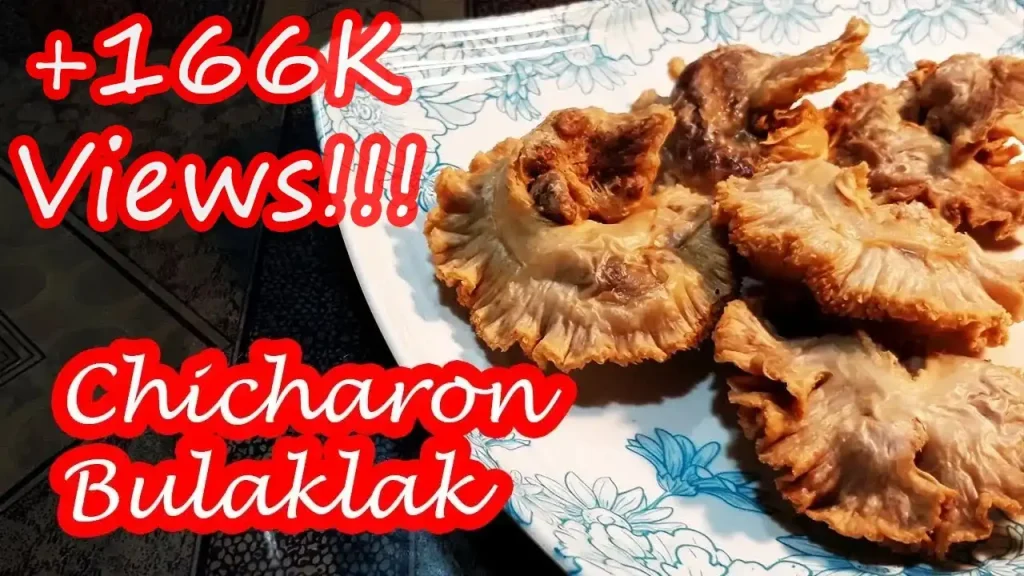
Chicharon Bulaklak originates from the heart of Filipino drinking culture, or ‘inuman.’ The term ‘bulaklak’ refers to the flower-like appearance of the pork mesentery once it is fried. It is a testament to the Filipino nose-to-tail philosophy, where every part of the animal is treated with care and transformed into a celebratory dish that anchors late-night gatherings and street-side food stalls across the archipelago.
The Culinary Experience
The secret to this dish lies in the balance between the initial boil and the final fry. The simmering process, infused with garlic and aromatics, tames the richness of the fat, while the subsequent hot oil bath provides the structural integrity that gives the dish its iconic crunch. It requires patience and a watchful eye, as the fine line between perfectly crisp and burnt is crossed in mere seconds.
Serving this dish is a ritual in itself. It is best enjoyed fresh from the fryer, placed on a communal platter in the center of the table. Paired with a sharp, vinegar-based dipping sauce—spiked with local bird’s eye chilies and minced shallots—the acidity cuts through the decadence, creating a harmonious bite that is quintessentially Filipino and impossible to stop eating.
Step-by-Step Cooking Instructions
- 1Submerge the pork omentum in a large pot of water and add the salt, peppercorns, garlic, and bay leaves.
- 2Bring to a boil and simmer for 45 to 60 minutes until the fat is tender but still holds its structure.
- 3Drain the meat thoroughly and pat it dry with paper towels; moisture is the enemy of a good crunch.
- 4Cut the boiled omentum into bite-sized pieces, ensuring each piece retains its signature flower-like shape.
- 5Heat enough oil in a deep pot or wok until it reaches 350°F (175°C).
- 6Fry the pieces in small batches to avoid overcrowding, cooking until they turn a deep golden brown and stop bubbling vigorously.
- 7Remove from the oil using a slotted spoon and drain on a wire rack to maintain maximum crispness.
- 8Serve immediately while hot, accompanied by a bowl of spicy vinegar.
Kitchen Secrets & Pro Tips
- Clean the omentum meticulously in a saltwater and vinegar solution to remove any lingering gamey odor.
- Ensure the boiled meat is completely dry before frying to prevent dangerous oil splatters and to guarantee a glass-like crunch.
- Do not over-boil the omentum; if it becomes too soft, it will disintegrate during the frying process.
- Double-fry the pieces if you prefer an extra-crispy texture that stays crunchy even as it cools.
Frequently Asked Questions
- What exactly is Chicharon Bulaklak(?) It is made from the pork mesentery, the connective tissue that holds the intestines in place.
- Can I bake this instead of frying(?) Frying is essential to achieve the signature light, airy crispness that baking simply cannot replicate.
- How do I store leftovers(?) Store in an airtight container for up to two days, but reheat in an oven or air fryer to regain the crunch.
Disclaimer: This recipe guide is created for educational purposes and the preservation of Filipino culinary culture.
About The Author