📺 Watch the Full Cooking Video Episode!
Want to see how The Art of Adobong Paa ng Manok is prepared step-by-step? Watch the full cooking video on our Video Hub to see exact heat controls, timing, and real preparation.
Ingredients (Mga Sangkap)
- ✔ 1 kg fresh, cleaned chicken feet, trimmed of nails
- ✔ 1/2 cup high-quality soy sauce, naturally brewed
- ✔ 1/4 cup cane vinegar, aged for depth
- ✔ 1 head of garlic, crushed with the flat of a knife
- ✔ 2 tablespoons whole black peppercorns
- ✔ 3 pieces dried bay leaves, sun-dried
- ✔ 2 tablespoons brown palm sugar
- ✔ 2 tablespoons neutral cooking oil
- ✔ 1 cup water or chicken stock
The Soul of the Filipino Kitchen
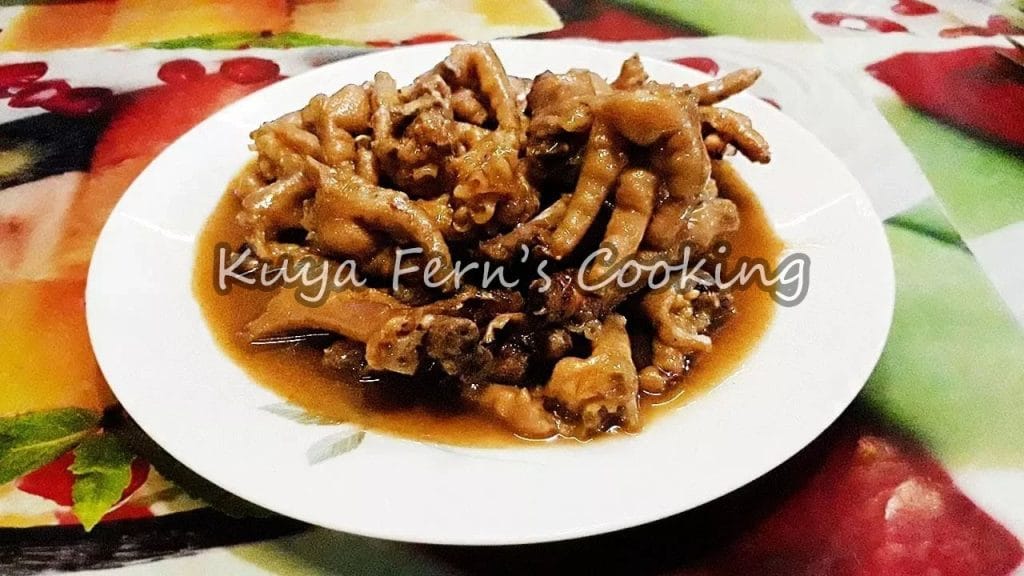
To cook Adobong Paa ng Manok is to participate in a culinary tradition that prioritizes transformation. In the Mavhic kitchen, we believe that no part of the animal should be wasted; instead, we elevate the humble chicken foot—often overlooked—into a delicacy defined by its complex, collagen-rich texture. This dish represents the ingenuity of the Filipino home cook, turning simple pantry staples like soy sauce and vinegar into a symphony of flavor that resonates with the history of our archipelago.
When you stand over the stove, you are not merely cooking; you are honoring the memory of Lolas who spent hours perfecting the balance of the 3:1 ratio of soy to vinegar. The aroma that fills your home is a tapestry of garlic, peppercorn, and bay leaf—a scent that signals warmth, hospitality, and the undeniable comfort of home. Every step, from the meticulous cleaning to the slow, steady braise, is a meditative practice that yields a result far greater than the sum of its parts.
Mastering the Texture
The hallmark of a world-class Adobong Paa is the texture of the skin. It must be tender enough to yield easily from the bone, yet firm enough to retain a characteristic ‘chew’ that makes the experience so satisfying. By utilizing the blanching and ice-shocking method described in our instructions, you ensure that the collagen remains intact, creating that signature stickiness that clings to your lips with every bite. This is the essence of Filipino soul food—rich, unctuous, and deeply satisfying.
As the sauce reduces, watch closely. The bubbling liquid should transform from a thin broth into a dark, glossy lacquer. This is where the magic of the palm sugar comes into play. Unlike refined white sugar, palm sugar brings a caramel-like depth that harmonizes with the sharp acidity of the cane vinegar. It is this specific balance—the ‘asim’ (sour) and the ‘tamis’ (sweet)—that defines the true Adobo experience. In the philosophy of Mavhic, the sauce is just as important as the meat; it is the liquid gold that ties the entire dish together.
Step-by-Step Cooking Guide
- 1. The Ritual of Preparation: Begin by ensuring the chicken feet are pristine. Remove the claws using a sharp pair of kitchen shears, ensuring you cut just above the nail bed. Scour the skin thoroughly to remove any residual keratin or debris. Blanching is the secret—boil them for five minutes, then shock in an ice bath to tighten the skin, ensuring a firm, gelatinous texture that defies the mushiness often found in amateur attempts.
- 2. Sautéing the Aromatics: Heat your heavy-bottomed pan until it sings with a light haze of smoke. Add your neutral oil and toss in the crushed garlic. Watch as the garlic transforms from porcelain white to a deep, golden mahogany, releasing an intoxicating perfume that fills the kitchen with the very essence of a traditional Filipino Sunday lunch. The sizzle should be rhythmic, a steady crackle that signals the oil is perfectly infused.
- 3. The Braising Process: Add the prepared feet to the pan, allowing them to sear in the garlic-infused oil. Once they take on a light tan, pour in the soy sauce and peppercorns. Let the soy sauce reduce slightly, creating a glaze that coats every crevice of the feet. Add the water and bay leaves, then cover. Simmer over a low, steady flame for at least 45 minutes; patience here is the bridge between a tough bite and a melt-in-your-mouth experience.
- 4. The Final Glaze: Once the feet are tender, remove the lid to let the liquid reduce into a thick, syrupy reduction. Stir in the vinegar, but do not stir again—let it mellow into the sauce for three minutes to lose its raw edge. Sprinkle the brown palm sugar over the top, letting it dissolve into the bubbling liquid, creating a glossy, sticky coating that balances the saltiness with a deep, smoky sweetness.
🛑 Done Reading? Watch the Video Breakdown!
Catch all the practical kitchen tips, taste tests, and full preparation steps for The Art of Adobong Paa ng Manok.
▶️ Watch the Full The Art of Adobong Paa ng Manok Recipe Episode →
Frequently Asked Questions
- What is the secret to tender chicken feet? The secret lies in a long, slow braise over low heat, ensuring the connective tissues break down into a gelatinous, tender state without falling apart.
- Can I substitute cane vinegar? While cane vinegar is traditional, you can use rice vinegar or white vinegar, though you may need to adjust the sugar content to balance the acidity.
- How long can I store this dish? Adobo is famous for improving with time; store it in an airtight container in the refrigerator for up to three days, and reheat it slowly to let the flavors meld further.
Original coverage: Watch on YouTube
About The Author