📺 Watch the Full Cooking Video Episode!
Want to see how The Secret of Pinoy Pork Adobo is prepared step-by-step? Watch the full cooking video on our Video Hub to see exact heat controls, timing, and real preparation.
Ingredients (Mga Sangkap)
- ✔ 2 lbs Pork Belly (Kasim or Liempo), cut into 2-inch cubes
- ✔ 1/2 cup Soy Sauce (Premium quality preferred)
- ✔ 1/4 cup Cane Vinegar (Datu Puti or local artisan brands)
- ✔ 1 head Garlic, crushed and peeled
- ✔ 1 tbsp Whole Black Peppercorns
- ✔ 3 pieces Dried Bay Leaves
- ✔ 1 tbsp Brown Sugar (Optional, for balancing)
- ✔ 1 cup Water or Coconut Water
- ✔ 2 tbsp Cooking Oil
The Soul of the Adobo
Stepping into a traditional Filipino kitchen, the air is thick with the scent of simmering vinegar and savory soy sauce, a perfume that transcends generations. Mavhic believes that Adobo is not merely a recipe; it is a cultural fingerprint. Every family in the archipelago holds a secret, a slight variation that makes their version the definitive one. Today, we peel back the layers of this culinary icon to reveal the secrets of the perfect Pork Adobo.
The Importance of Quality Aromatics
Garlic is the heartbeat of any Filipino dish, and for our Adobo, we demand the pungent, fresh variety. When you crush those cloves, you are releasing oils that carry the history of the land. As they hit the hot oil, the kitchen fills with a heady, nutty aroma that promises depth. This is the foundation upon which Mavhic builds flavor, ensuring that every bite resonates with the bold character of the Philippines.
The Alchemy of Vinegar and Soy
The interplay between soy sauce and cane vinegar is a delicate dance of chemistry. While the soy sauce provides the salt and the deep, dark color, the vinegar acts as the acid that brightens the palate and tenderizes the meat. By adding the vinegar at the correct interval—without stirring—you allow the raw sting to mellow into a sophisticated tang that elevates the fatty richness of the pork belly.
The Low and Slow Philosophy
Patience is the secret ingredient that most modern cooks neglect. Adobo cannot be rushed. As the pot bubbles over a low flame, the pork fat renders slowly into the sauce, creating an emulsion that is both silky and intense. This slow reduction is what creates the iconic ‘Adobo glaze’ that clings to the meat, a testament to the time invested in the craft. It is the patience of our ancestors, brought into your modern home.
Serving the Heritage
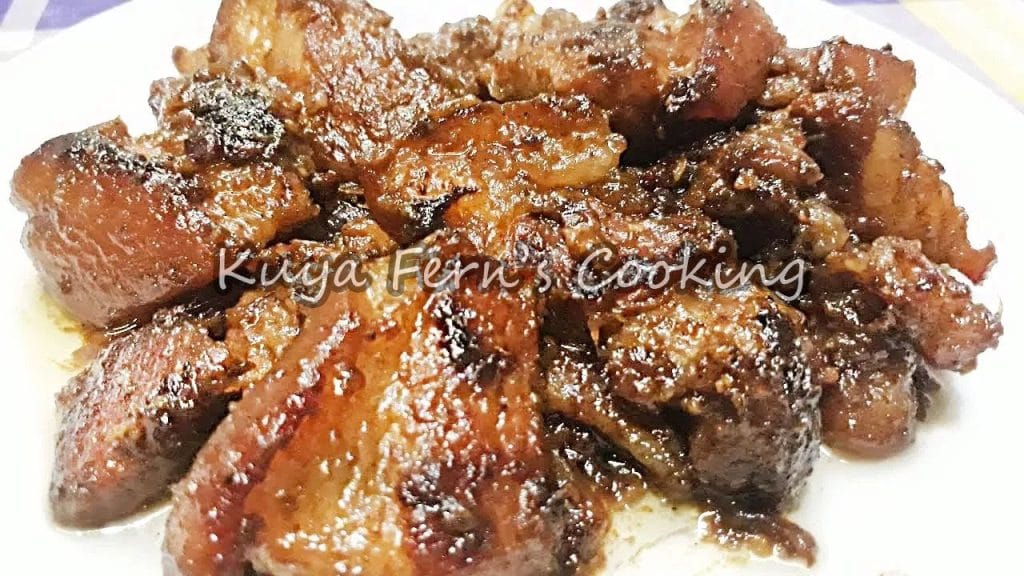
When you finally lift the lid, the sight of the glistening meat, darkened by the soy and glistening with rendered fat, is a homecoming for the senses. Whether paired with scorched garlic rice or a simple fresh tomato salad, this dish is a bridge to the past. At Mavhic, we celebrate these moments, inviting you to share in the warmth and legacy of a dish that truly defines the spirit of the Filipino table.
Step-by-Step Cooking Guide
- 1. Marinating the pork: Begin by bathing your pork cubes in a mixture of soy sauce and crushed garlic. Allow the protein to sit for at least an hour, letting the brine penetrate the fibers. This process ensures that the meat is seasoned from within, carrying the essence of the aromatics long before it touches the heat of the stove.
- 2. Searing the meat: Heat your oil in a heavy-bottomed clay pot or cast iron skillet. As the oil shimmers, carefully place the pork pieces in, listening to the aggressive, rhythmic sizzle that signals the Maillard reaction. We seek a deep, golden-brown crust on all sides to lock in the juices and create a foundation for the sauce.
- 3. Simmering to tenderness: Pour in the marinade along with the water, peppercorns, and bay leaves. Let the pot reach a gentle boil before reducing to a low, patient simmer. This is where the magic happens; the collagen breaks down, transforming the fat into a melt-in-your-mouth texture that defines a true heritage Adobo.
- 4. Refining the sauce: The final step involves adding the cane vinegar. Do not stir immediately; let the vinegar cook off its raw edge. Once the sauce thickens to a glossy, dark mahogany glaze, adjust the seasoning with a touch of brown sugar if desired. Serve over steaming white jasmine rice.
🛑 Done Reading? Watch the Video Breakdown!
Catch all the practical kitchen tips, taste tests, and full preparation steps for The Secret of Pinoy Pork Adobo.
▶️ Watch the Full The Secret of Pinoy Pork Adobo Recipe Episode →
Frequently Asked Questions
- Why shouldn’t I stir the vinegar immediately? Stirring it too early prevents the raw acidity from cooking off, which can lead to a harsh, sharp flavor profile that masks the complexity of the soy sauce and aromatics.
- Can I use chicken with this recipe? Absolutely, though you must adjust the simmering time as chicken cooks significantly faster than pork belly to avoid the meat becoming stringy.
- What is the best way to store leftovers? Adobo famously tastes better the next day as the flavors deepen; keep it in an airtight container in the refrigerator for up to five days and reheat gently on the stovetop.
Original coverage: Watch on YouTube
About The Author