📺 Watch the Full Cooking Video Episode!
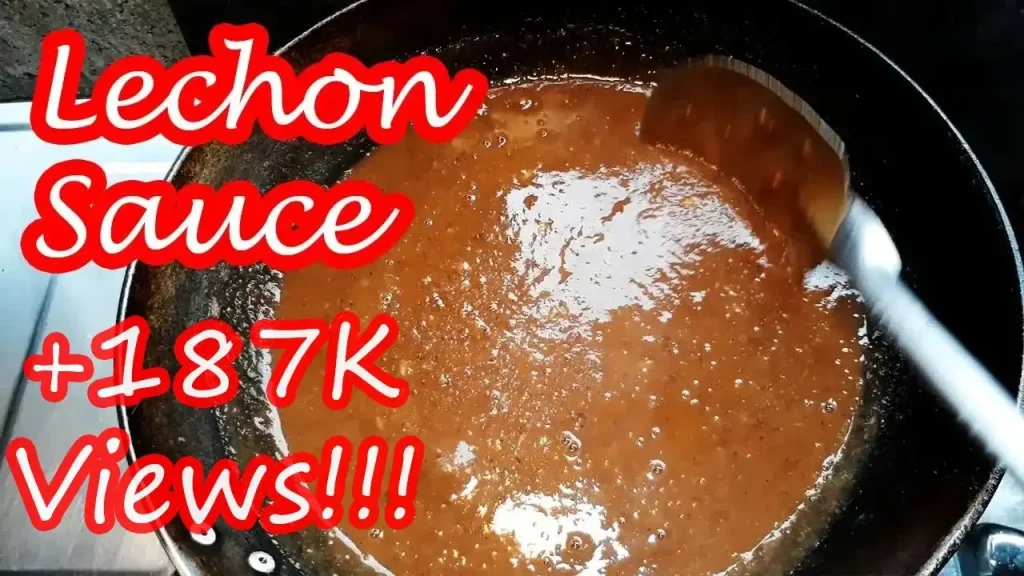
Want to see how The Soul of the Feast Mastering the Ultimate Lechon Sauce is prepared step-by-step? Watch the full cooking video on our Video Hub to see exact heat controls, timing, and real preparation.
👉 Watch the The Soul of the Feast Mastering the Ultimate Lechon Sauce Recipe Video →
🛑 Done Reading? Watch the Video Breakdown!
Catch all the practical kitchen tips, taste tests, and full preparation steps for The Soul of the Feast Mastering the Ultimate Lechon Sauce.
▶️ Watch the Full The Soul of the Feast Mastering the Ultimate Lechon Sauce Recipe Episode →
Ingredients Needed
- 250g pork liver, boiled until tender and finely mashed
- 1/2 cup breadcrumbs or crushed crackers
- 3/4 cup cane vinegar
- 1/2 cup brown sugar
- 4 cloves garlic, minced
- 1 medium onion, finely minced
- 1 tsp salt
- 1/2 tsp freshly cracked black pepper
- 1 cup water or meat stock
- 2 tbsp vegetable oil
Origin & Culinary Story
Lechon sauce, often referred to as ‘sarsa,’ is a staple of Filipino celebrations, particularly in the Visayas region where lechon is considered a cultural icon. Historically, this sauce evolved from a need to utilize the organ meats of the pig during the elaborate roasting process. It serves as the vital counterpoint to the rich, crackling skin of the whole-roasted pig, acting as a bridge between the savory meat and the sharp, acidic condiments common in Filipino cuisine.
The Culinary Experience
Mastering the sauce is about patience and texture. The process begins with the careful preparation of the liver, ensuring it is tenderized before being introduced to the aromatics. The inclusion of breadcrumbs is a traditional kitchen hack that transforms a thin, watery liquid into a luscious, clinging glaze that coats every fiber of the pork. As the sugar and vinegar mingle over low heat, the transformation is almost alchemical—the sauce shifts from disparate ingredients into a cohesive, dark, and savory elixir that defines the character of the meal.
Serving this sauce is a ritual in itself. Whether you are dipping a crispy piece of skin or spooning a generous portion over rice and meat, the effect is transformative. It invites the diner to slow down and appreciate the interplay of salt, sugar, acid, and earth. When prepared correctly, it isn’t just a side dish; it is the flavor anchor that makes the feast memorable, lingering on the tongue and demanding another bite. It is the secret ingredient that turns a celebratory meal into a lasting culinary memory.
Step-by-Step Cooking Instructions
- 1Sauté the minced onions and garlic in a pan with oil until soft and fragrant, ensuring they do not brown too deeply.
- 2Add the mashed liver to the pan and stir-fry for two minutes to develop a deeper flavor profile.
- 3Pour in the water or meat stock and bring the mixture to a gentle simmer.
- 4Whisk in the breadcrumbs to act as a thickening agent, stirring constantly to avoid any clumps.
- 5Stir in the brown sugar, salt, and black pepper, adjusting to your preference for sweetness or spice.
- 6Pour in the cane vinegar and allow the sauce to simmer uncovered for five to seven minutes without stirring, letting the acidity mellow out.
- 7Remove from heat and process the sauce through a fine-mesh sieve if you prefer a silky, restaurant-quality consistency.
- 8Serve warm alongside freshly chopped roasted pork.
Kitchen Secrets & Pro Tips
- Use a fine-mesh strainer to push the liver mixture through after cooking; this ensures the sauce has a velvety, luxurious mouthfeel without any grainy texture.
- Do not stir once the vinegar is added; allowing the vinegar to simmer undisturbed helps the raw ‘bite’ dissipate, leaving a balanced, mellow tang.
- If you want a more complex depth, add a teaspoon of soy sauce or a dash of star anise during the sauté phase to introduce aromatic layers.
- Keep the consistency slightly thinner than you expect, as the sauce will thicken significantly as it cools down.
Frequently Asked Questions
- Can I use chicken liver instead of pork liver? Yes, chicken liver is a common and excellent substitute that provides a slightly milder, creamy flavor.
- Why did my sauce become too thick? The breadcrumbs absorb liquid rapidly; simply whisk in a splash of warm water or stock to reach your desired consistency.
- How long can I store this sauce? Keep it in an airtight container in the refrigerator for up to three days, but reheat it gently on the stovetop before serving.
Disclaimer: This recipe guide is created for educational purposes and the preservation of Filipino culinary culture.
About The Author