📺 Watch the Full Cooking Video Episode!
Want to see how The Soulful Symphony of Ginataang Malunggay with Alamang is prepared step-by-step? Watch the full cooking video on our Video Hub to see exact heat controls, timing, and real preparation.
👉 Watch the The Soulful Symphony of Ginataang Malunggay with Alamang Recipe Video →
Ingredients (Mga Sangkap)
- ✔ 3 cups fresh Malunggay (Moringa) leaves, meticulously stripped from the woody stems.
- ✔ 2 cups thick, freshly pressed coconut milk (kakang gata) for that luxurious velvety finish.
- ✔ 1 cup thin coconut milk (pangalawang piga) to provide a light, fragrant base.
- ✔ 1/2 cup high-quality Alamang (fermented shrimp paste), preferably sautéed to perfection.
- ✔ 4 cloves of native garlic, smashed and minced to release their pungent oils.
- ✔ 1 medium red onion, sliced into translucent, thin strips.
- ✔ 2 thumb-sized pieces of ginger, julienned to cut through the richness of the coconut.
- ✔ 3 tablespoons coconut oil for a clean, tropical sautéing medium.
- ✔ A pinch of freshly cracked black peppercorns to provide a subtle, lingering warmth.
The Sensory Heritage of the Filipino Kitchen
To step into a kitchen where the air is thick with the scent of simmering coconut milk is to step into the very heart of Filipino heritage. At Mavhic, we believe that recipes are not merely instructions; they are vessels of memory. Ginataang Malunggay with Alamang is a testament to the ingenuity of the Filipino pantry, where the simplest ingredients—the humble malunggay tree in the backyard and the preserved bounty of the sea—transform into a meal of profound comfort. It is the sound of the ‘kakang gata’ bubbling softly against the sides of a clay pot, a rhythmic, gentle popping that signals the start of a nourishing ritual.
The malunggay, often referred to as the ‘miracle tree,’ provides an earthy, robust foundation that demands a partner with enough character to stand against it. Enter the alamang. When these tiny, fermented shrimp meet the hot oil, they release a pungent, savory aroma that is unmistakably nostalgic. For many, this scent is the olfactory equivalent of ‘coming home.’ It bridges the gap between the rural provinces and the modern dining table, offering a taste of the sea that is both intense and deeply satisfying.
The Art of the Aromatics
The foundation of any great ginataan lies in the ‘gisa,’ or the sauté. We begin with native garlic—small, potent, and incredibly aromatic. As the garlic hits the shimmering coconut oil, the kitchen transforms. The sizzle is sharp and energetic, a culinary percussion that promises depth. The ginger, julienned with precision, adds a bright, spicy top note that cuts through the inherent heaviness of the coconut milk, ensuring that each bite is balanced and sophisticated.
The red onions are the final piece of this trinity. As they soften and turn translucent, they release a natural sweetness that rounds out the sharp edges of the garlic and ginger. It is here, in this golden, fragrant base, that the personality of the dish is forged. At Mavhic, we emphasize the importance of patience during this stage; rushing the aromatics is a disservice to the dish, as these base flavors must be fully extracted to carry the weight of the coconut cream that follows.
The Alchemy of Coconut
Coconut milk is the lifeblood of Filipino cuisine. The process of using two extractions—the thin and the thick—is a technique passed down through generations. The thin milk acts as the primary liquid, allowing the malunggay to steep and infuse its nutrients into the sauce. As it simmers, the liquid thickens, becoming a fragrant, milky broth that is light yet flavorful. This is the stage where the alamang truly shines, its salty profile permeating the coconut milk and creating a savory umami bomb that is impossible to replicate with modern substitutes.
When the ‘kakang gata’ (the first extraction) is introduced, the dish undergoes a visual metamorphosis. The thin, translucent broth turns into a rich, velvety, opaque sauce that coats the back of a spoon. This is the moment of peak decadence. The heat must be kept low, a gentle simmer that coaxes the natural oils from the coconut milk, resulting in a dish that is glossy, luxurious, and deeply soul-warming. It is a slow, deliberate process that rewards the chef with a texture that feels like a warm embrace on the palate.
The Final Flourish
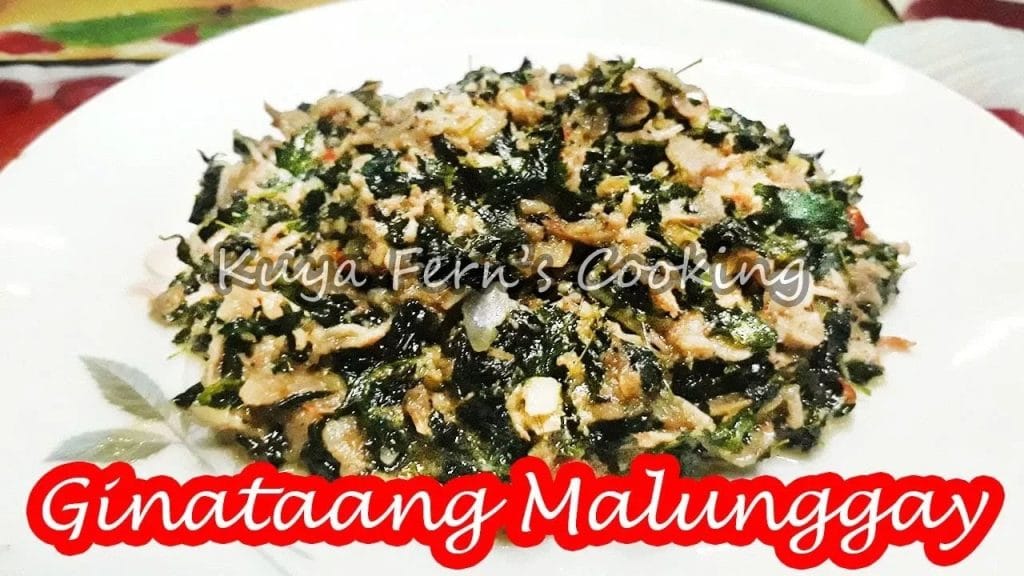
The malunggay leaves are the final actors in this culinary play. They are added at the very last moment to preserve their vibrant, verdant color and their delicate nutritional profile. As they hit the hot coconut cream, they wilt instantly, turning into tender ribbons of emerald green. The contrast between the creamy, ivory sauce and the bright green leaves is a visual feast that signals the dish is ready to be served. A final dusting of freshly cracked black pepper adds a whisper of heat, a subtle complexity that rounds out the finish.
Serving this dish is a lesson in simplicity. It requires nothing more than a steaming mound of white jasmine rice to soak up the creamy, salty sauce. At Mavhic, we encourage you to savor the experience—the heat of the ginger, the earthiness of the malunggay, and the lingering, savory punch of the alamang. This is not just food; it is a narrative of resilience, of love, and of the enduring beauty of traditional Filipino cooking.
Step-by-Step Cooking Guide
- 1. Begin by gently heating the coconut oil in a clay pot or a heavy-bottomed pan, allowing the aroma to fill the kitchen space before introducing the aromatics.
- 2. Sauté the garlic, ginger, and onions until they achieve a translucent, golden hue, ensuring the oils are infused with the base flavors before the alamang is added.
- 3. Incorporate the alamang into the aromatics, stirring constantly to allow the fermented shrimp to toast slightly, releasing a complex, savory, and deep oceanic fragrance.
- 4. Pour in the thin coconut milk (pangalawang piga) and bring to a gentle simmer, allowing the flavors to meld into a fragrant broth that serves as the foundation of the dish.
- 5. Add the thick coconut milk (kakang gata), stirring slowly in one direction to prevent curdling, watching as the sauce transforms into a rich, creamy, and opaque ivory liquid.
- 6. Fold in the fresh malunggay leaves, submerging them into the creamy coconut bath until they wilt into a vibrant, brilliant emerald green, maintaining their nutritional integrity.
- 7. Season the dish with cracked black pepper to taste, adjusting the balance between the creaminess of the coconut and the saltiness of the alamang to your personal preference.
🛑 Done Reading? Watch the Video Breakdown!
Catch all the practical kitchen tips, taste tests, and full preparation steps for The Soulful Symphony of Ginataang Malunggay with Alamang.
▶️ Watch the Full The Soulful Symphony of Ginataang Malunggay with Alamang Recipe Episode →
Frequently Asked Questions
- What is the secret to a perfect Ginataang Malunggay? The secret lies in the quality of your coconut milk; using fresh, hand-pressed ‘kakang gata’ provides a richness that canned alternatives cannot replicate, combined with the patience to let the alamang fully toast in the aromatics.
- Can I substitute the alamang if I prefer a different salt component? While traditional recipes rely on the specific umami of fermented shrimp paste, you can substitute with high-quality bagoong isda or even a dash of premium patis, though the flavor profile will shift from oceanic to more savory-floral.
- How long should I cook the malunggay leaves? You should cook the malunggay leaves for no more than two to three minutes; they should be wilted but still vibrant green to maintain their texture and nutritional benefits.
Original coverage: Watch on YouTube
About The Author