📺 Watch the Full Cooking Video Episode!
Want to see how The Ultimate Guide is prepared step-by-step? Watch the full cooking video on our Video Hub to see exact heat controls, timing, and real preparation.
Ingredients (Mga Sangkap)
- ✔ 2 lbs beef chuck, cubed into 2-inch pieces
- ✔ 1 cup liver spread or cooked chicken liver, mashed
- ✔ 2 cups tomato sauce
- ✔ 3 cloves garlic, minced
- ✔ 1 large onion, diced
- ✔ 2 large potatoes, cubed
- ✔ 2 carrots, sliced into rounds
- ✔ 1 bell pepper, sliced into strips
- ✔ 1/2 cup green olives
- ✔ 1 cup beef broth
- ✔ 2 tablespoons soy sauce
- ✔ 1 tablespoon chili flakes (optional for heat)
- ✔ 3 tablespoons cooking oil
- ✔ Salt and freshly cracked black pepper to taste
The Sensory Prelude to Heritage Cooking
The first note of a true Beef Caldereta begins long before the pot touches the flame. It starts with the heavy sound of a cleaver hitting a wooden block, prepping the beef chuck—a cut chosen specifically for its marbling and connective tissue that promise to dissolve into buttery silk under the influence of time. As the Mavhic kitchen fills with the scent of freshly peeled garlic, one is transported back to the hearths of our ancestors, where cooking was an act of profound patience and devotion.
Searing the beef is a ritual of transformation. As the cubes hit the shimmering oil, the sound is a fierce, rhythmic hiss—the music of the Maillard reaction. This is not merely browning; it is the act of anchoring the soul of the dish. Each side must achieve a deep, caramelized mahogany, a crust that speaks of heat, intensity, and the promise of a depth of flavor that will soon define the entire experience.
The Aromatics and the Heart of the Sauce
Once the beef is set aside, the pan holds the essence of the sear—the ‘fond’ that acts as the primary seasoning. Into this, we introduce the trinity of Filipino flavor: garlic, onions, and a gentle heat. The garlic must be minced finely, allowed to bloom until it turns a pale, golden straw color, releasing an aroma that is at once sharp and comforting. This is the moment the kitchen truly begins to feel like home.
The integration of the liver spread is the secret gatekeeper of authentic Caldereta. It is the ingredient that shifts the dish from a simple tomato stew into a rich, velvety masterpiece. By folding the liver spread into the tomato sauce, we create an emulsion that coats the back of a spoon with its glossy, deep-red sheen. This is the hallmark of a Mavhic recipe—a refusal to compromise on the richness that defines our culinary heritage.
The Slow Dance of Tenderization
Patience is the primary ingredient in this stage. Adding the beef broth to the tomato and liver base creates a braising liquid that acts as a gentle, simmering bath. We cover the pot, reducing the heat to a whisper, and let the magic of time do its work. As the minutes tick by, the tough collagen within the beef chuck breaks down, transforming into gelatin that thickens the sauce from within, creating a mouthfeel that is nothing short of luxurious.
During this stage, the kitchen air grows thick with the scent of bay leaves, peppercorns, and the faint, earthy sweetness of the tomato base. It is a time for reflection, for waiting, and for understanding that greatness cannot be rushed. Whether you choose to add chili flakes for a modern kick or keep it traditional, the goal remains the same: a harmonious balance of savory, acidic, and tender notes that define the very pinnacle of Filipino comfort food.
The Final Assembly: Vegetables and Texture
The beauty of a well-made Caldereta lies in the contrast between the tender meat and the vibrant, firm-yet-cooked vegetables. We introduce the potatoes and carrots only when the beef is nearly ready, ensuring they maintain their shape while drinking in the sauce. The bell peppers, added in the final minutes, bring a crisp, bright top note that cuts through the richness of the liver sauce, providing a necessary brightness to the plate.
Finally, we garnish with green olives, the salty, briny pop providing the perfect punctuation to the end of each bite. Serving this dish alongside a steaming mountain of jasmine rice is the only way to honor the labor that went into the pot. As the steam rises from the bowl, you are not just serving dinner; you are serving a story, a history, and a piece of the Mavhic soul that binds generations together through the act of sharing a perfect meal.
Step-by-Step Cooking Guide
- 1. Searing the beef to lock in the juices and develop a deep, mahogany crust that serves as the foundation for the entire flavor profile.
- 2. Sautéing the aromatics—garlic and onion—until they turn translucent and fragrant, filling the kitchen with the nostalgic scent of a traditional Filipino home.
- 3. Deglazing the pan with tomato sauce and beef broth to lift the fond, then incorporating the liver spread to create the signature velvet-thick consistency.
- 4. Simmering the beef low and slow until the fibers tenderize, allowing the infusion of spices to penetrate every morsel.
- 5. Adding the potatoes, carrots, and peppers in the final stage to ensure they retain their structural integrity while soaking up the savory-sweet essence of the stew.
🛑 Done Reading? Watch the Video Breakdown!
Catch all the practical kitchen tips, taste tests, and full preparation steps for The Ultimate Guide.
Frequently Asked Questions
- Why is liver spread used in Beef Caldereta? It provides the unique, velvety thickness and deep earthy undertone that distinguishes an authentic Caldereta from a standard tomato-based stew.
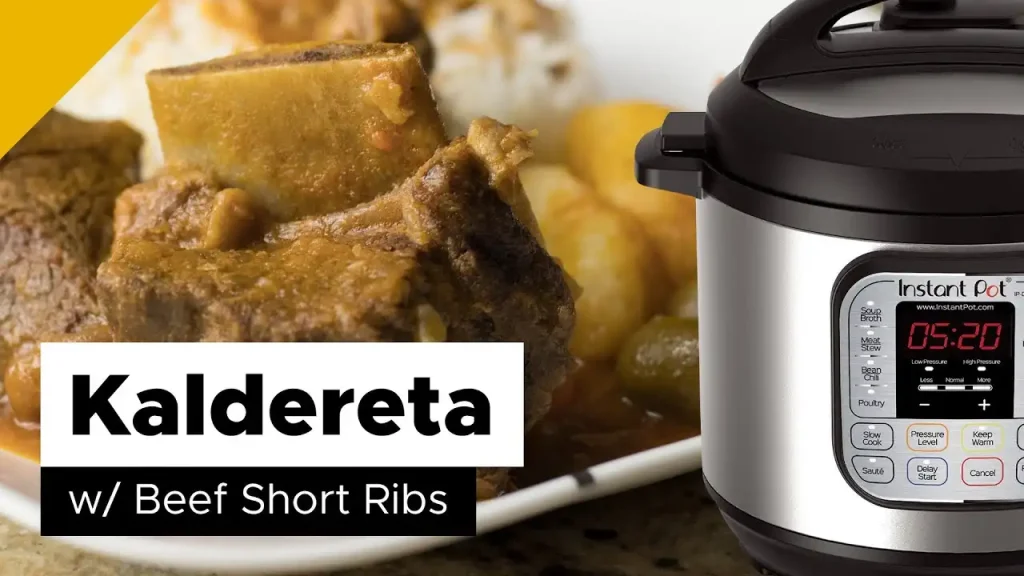
- Can I use a different cut of beef? Yes, while beef chuck is preferred for its fat content, you may use brisket or short ribs, provided you increase the braising time to ensure ultimate tenderness.
- How do I prevent the potatoes from becoming mushy? Add the potatoes during the last 20-30 minutes of cooking rather than at the beginning, so they retain their texture while absorbing the sauce.
- Is it possible to make this dish spicy? Absolutely, add fresh bird’s eye chilies or extra chili flakes during the sautéing process to elevate the heat profile to your personal preference.
Original coverage: Watch on YouTube
About The Author