📺 Watch the Full Cooking Video Episode!
Want to see how Whole Egg Leche Flan A Masterclass in Filipino Heritage Dessert is prepared step-by-step? Watch the full cooking video on our Video Hub to see exact heat controls, timing, and real preparation.
👉 Watch the Whole Egg Leche Flan A Masterclass in Filipino Heritage Dessert Recipe Video →
🛑 Done Reading? Watch the Video Breakdown!
Catch all the practical kitchen tips, taste tests, and full preparation steps for Whole Egg Leche Flan A Masterclass in Filipino Heritage Dessert.
▶️ Watch the Full Whole Egg Leche Flan A Masterclass in Filipino Heritage Dessert Recipe Episode →
Ingredients Needed
- 10 large eggs
- 1 can (14 oz) sweetened condensed milk
- 1 cup evaporated milk
- 1 teaspoon vanilla extract
- 1 cup white granulated sugar (for the caramel)
Origin & Culinary Story
Leche Flan is a quintessential Filipino dessert derived from the Spanish ‘flan de leche’ introduced during the colonial period. While many modern variations use only egg yolks for a denser texture, the traditional whole-egg version remains a staple in regional households, particularly during fiestas and holidays. It reflects the Filipino penchant for ‘merienda’ culture, transforming simple pantry staples into a sophisticated, celebratory centerpiece.
The Culinary Experience
Crafting this dessert is a lesson in patience and precision. Because the ingredients are so minimal, the technique is everything. The slow, gentle steam is non-negotiable; it is the only way to achieve that signature wobble and glass-like texture. As you pour the mixture into the molds, you are participating in a culinary tradition that has graced Filipino tables for generations, serving as a symbol of hospitality and abundance.
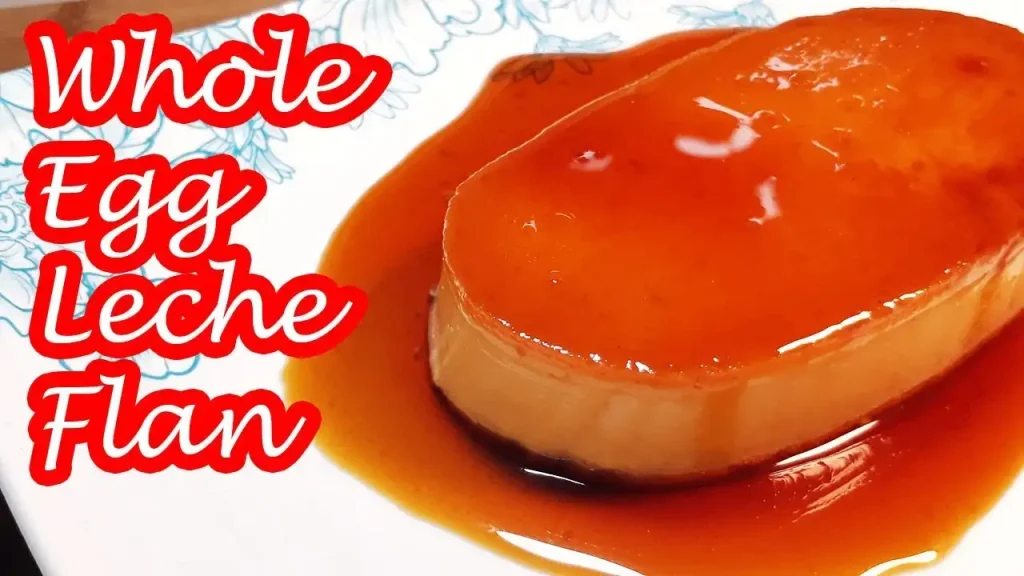
Serving Leche Flan is an event in itself. As you invert the mold onto a platter, the anticipation of the caramel cascading over the custard is part of the joy. Whether sliced into elegant rectangles or served as a decadent whole, the first bite offers a velvety sensation that lingers. It is a dessert that demands a slow pace, inviting everyone at the table to pause and savor the rich, golden heritage of the Philippines.
Step-by-Step Cooking Instructions
- 1Prepare the caramel by spreading the sugar evenly into the bottom of a llanera or cake pan, then melt over low heat on the stovetop until it turns a deep amber color, tilting the pan to coat the bottom thoroughly before setting it aside to harden.
- 2In a large mixing bowl, gently combine the eggs, sweetened condensed milk, evaporated milk, and vanilla extract using a whisk, being careful to stir slowly to avoid creating too many air bubbles.
- 3Strain the mixture through a fine-mesh sieve at least twice to ensure an ultra-smooth, bubble-free consistency for the custard base.
- 4Pour the strained custard mixture into the prepared llaneras, filling them about three-quarters full.
- 5Cover each mold tightly with aluminum foil to prevent water from dripping into the custard during the steaming process.
- 6Steam over low heat for 45 to 60 minutes, ensuring the water in the steamer is at a gentle simmer rather than a rolling boil to prevent the custard from curdling.
- 7Remove from the heat and allow the flan to cool completely at room temperature before refrigerating for at least four hours, or ideally overnight, to set the structure.
- 8Run a thin knife around the edges of the mold and carefully invert onto a serving plate to release the flan, allowing the liquid caramel to cascade over the sides.
Kitchen Secrets & Pro Tips
- Always strain your custard mixture through a fine-mesh sieve multiple times to remove chalazae and trapped air, which is the secret to a perfectly smooth surface.
- Maintain a very low heat when steaming; high heat causes the custard to bubble, resulting in holes or ‘honeycombs’ inside the flan.
- Let the flan chill overnight in the refrigerator; this allows the proteins to fully stabilize, making it much easier to unmold without cracking.
- If the caramel hardens too quickly before you can spread it, simply warm the pan slightly over the flame to loosen it up.
Frequently Asked Questions
- Why does my flan have holes? (High heat during the steaming process causes the mixture to boil, creating air pockets; always keep the heat at a low, gentle simmer.)
- Can I use a glass dish instead of a llanera? (Yes, you can use a glass heat-proof dish, but keep in mind that the cooking time may increase slightly due to the thickness of the glass.)
- How long can I store Leche Flan? (It will keep well in the refrigerator for up to five days when stored in an airtight container.)
Disclaimer: This recipe guide is created for educational purposes and the preservation of Filipino culinary culture.
About The Author