📺 Watch the Full Cooking Video Episode!
Want to see how The Secret to the Pancit Bihon A Heritage Culinary Masterclass is prepared step-by-step? Watch the full cooking video on our Video Hub to see exact heat controls, timing, and real preparation.
👉 Watch the The Secret to the Pancit Bihon A Heritage Culinary Masterclass Recipe Video →
🛑 Done Reading? Watch the Video Breakdown!
Catch all the practical kitchen tips, taste tests, and full preparation steps for The Secret to the Pancit Bihon A Heritage Culinary Masterclass.
▶️ Watch the Full The Secret to the Pancit Bihon A Heritage Culinary Masterclass Recipe Episode →
Ingredients Needed
- 8 oz dried rice vermicelli (bihon)
- 1/2 lb pork belly, sliced into thin bite-sized strips
- 1/2 lb shrimp, peeled and deveined
- 2 cups shredded cabbage
- 1 cup julienned carrots
- 1 cup green beans, sliced diagonally
- 1/2 cup onion, diced
- 4 cloves garlic, minced
- 3 tablespoons soy sauce
- 2 tablespoons oyster sauce
- 2 cups chicken or pork stock
- 2 tablespoons vegetable oil
- 1 tablespoon calamansi juice (or lemon)
- Fresh spring onions and fried garlic for garnish
Origin & Culinary Story
Pancit Bihon is a testament to the deep-rooted Chinese influence on Filipino cuisine, originating from the Hokkien word ‘pian i sit,’ which translates to ‘something conveniently cooked.’ Over centuries, it has become a staple of Filipino celebrations, symbolizing long life and health, often served during birthdays and town fiestas to ensure prosperity.
The Culinary Experience
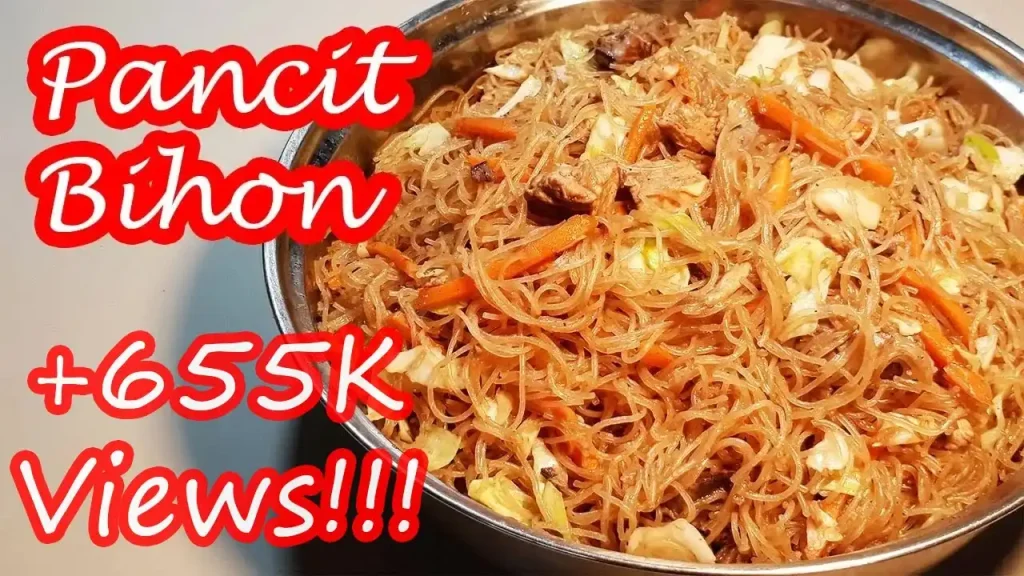
Achieving the perfect Pancit Bihon requires a disciplined approach to heat management and timing. The secret to the best version is avoiding the common trap of ‘soggy noodles’ by precisely controlling the amount of liquid added to the wok. By stir-frying the aromatics first and letting the stock reduce into the noodles, you infuse every strand with a concentrated umami profile. The final touch of calamansi provides that signature citrus brightness that cuts through the richness, elevating the dish from a simple stir-fry to a vibrant, multi-layered heritage classic.
Serving Pancit Bihon is an act of hospitality, traditionally presented on a large platter to signify abundance. When set on the table, the aroma of toasted garlic and savory oyster sauce invites everyone to gather around. Whether enjoyed as a centerpiece for a festive lunch or a quick, soul-warming weeknight dinner, this dish remains a timeless example of how simple ingredients, when treated with respect and technique, result in a culinary experience that resonates long after the last bite.
Step-by-Step Cooking Instructions
- 1Soak the dry rice noodles in a bowl of room-temperature water for 10 minutes until softened, then drain well and set aside.
- 2Heat oil in a large wok or heavy skillet over medium-high heat and sear the pork belly until golden brown and the fat has rendered.
- 3Add the shrimp to the wok and cook for 1-2 minutes until just pink, then remove both pork and shrimp and set aside to keep them from overcooking.
- 4In the same wok, sauté the onions and garlic until fragrant and translucent.
- 5Add the carrots and green beans, tossing for 2 minutes to maintain a slight crunch.
- 6Pour in the chicken stock, soy sauce, and oyster sauce, bringing the mixture to a gentle boil.
- 7Slide the drained noodles into the liquid, tossing continuously with tongs so the strands absorb the broth evenly without becoming mushy.
- 8Return the cooked pork and shrimp to the pan and fold in the shredded cabbage, cooking until the liquid is almost entirely absorbed.
- 9Finish with a squeeze of fresh calamansi juice, garnish with spring onions, and serve immediately while steaming hot.
Kitchen Secrets & Pro Tips
- Never over-soak your noodles; they should remain firm to the touch before hitting the wok so they don’t turn into a gummy mess.
- Use a high-smoke point oil like canola or peanut to achieve an authentic wok-hei flavor without burning the seasonings.
- Always separate the proteins from the vegetables during the stir-fry process to ensure each ingredient is cooked to its perfect texture.
- Deglaze the bottom of your pan with the stock to capture the caramelized bits of pork fat, which serves as the flavor base for your sauce.
Frequently Asked Questions
- What is the best way to prevent noodles from breaking(?) Toss the noodles gently with tongs instead of a spatula to maintain the integrity of the long strands.
- Can I use other proteins(?) Absolutely, chicken breast, tofu, or even Chinese sausage are excellent traditional variations.
- How do I reheat leftover Pancit(?) Reheat in a skillet with a tiny splash of water or stock to rehydrate the noodles without losing the flavor.
Disclaimer: This recipe guide is created for educational purposes and the preservation of Filipino culinary culture.
About The Author