📺 Watch the Full Cooking Video Episode!
Want to see how Golden Carrot Spring Balls is prepared step-by-step? Watch the full cooking video on our Video Hub to see exact heat controls, timing, and real preparation.
Ingredients (Mga Sangkap)
- ✔ 500g fresh, vibrant orange carrots, peeled and finely grated
- ✔ 1 cup all-purpose flour for structural integrity
- ✔ 1/2 cup cornstarch for that signature light, airy crisp
- ✔ 3 cloves garlic, minced to a fragrant paste
- ✔ 1 medium white onion, diced into precise, delicate jewels
- ✔ 1 large egg, locally sourced for richness
- ✔ 1 teaspoon sea salt and freshly cracked black pepper
- ✔ 500ml vegetable oil for deep, golden immersion
The Art of the Carrot: A Culinary Foundation
In the heart of every Filipino home, there is a reverence for the carrot—a vegetable often relegated to the background of stews or the supporting role in a stir-fry. Yet, when treated with the craftsmanship of a heritage chef, the humble carrot ascends to greatness. In this business venture, we are not merely cooking; we are curating an experience. Choosing the freshest, firmest carrots is the first step in our quest for profitability and quality. When you peel these vibrant, soil-kissed roots, you are preparing a canvas that will eventually be transformed into golden spheres of delight.
As you grate the carrots, observe the texture. You are aiming for a fine, consistent shred that allows the vegetable to soften just enough during the frying process while retaining a slight, satisfying bite. This attention to detail is what separates a generic street snack from a product that customers will line up for. It is the Mavhic approach: excellence in every fiber, ensuring that your 300-peso investment yields a product that tastes like a labor of love.
The aromatics—garlic and onions—are the soul of this dish. In the Filipino kitchen, the marriage of sautéed aromatics is the baseline for all deliciousness. By integrating them into the carrot base, you infuse every bite with a savory, umami-rich depth that balances the natural sugars of the carrot. This creates a complex flavor profile that appeals to both children and adults, making it an ideal candidate for a high-turnover business model.
The Science of the Perfect Crunch
The alchemy of frying is a delicate balance of heat, timing, and patience. When you mix your flour and cornstarch, you are creating the protective armor for your carrot balls. The cornstarch, specifically, is the secret weapon that grants the exterior that elusive, glass-like crunch that shatteringly gives way to a tender, steaming center. It is a texture contrast that makes the Carrot Spring Ball addictive, keeping customers coming back for more.
Listen closely to the oil as you fry. The initial aggressive hiss is the sound of moisture escaping, replaced by the hardening of the batter. As the sound settles into a gentle, rhythmic hum, you know the heat is penetrating the center, ensuring the carrot is cooked through and the egg has set perfectly. This is the moment where culinary intuition meets professional production; you are learning to read the pan like a seasoned master.
Managing your costs is as important as managing your heat. With a budget of under 300 pesos, every gram matters. By mastering the size of your balls—aiming for uniform, golf-ball-sized portions—you ensure consistent cook times and predictable profit margins. This systematic approach allows you to scale your business, turning a simple kitchen experiment into a sustainable income stream that honors the traditions of the Filipino marketplace.
Marketing Your Heritage Snack
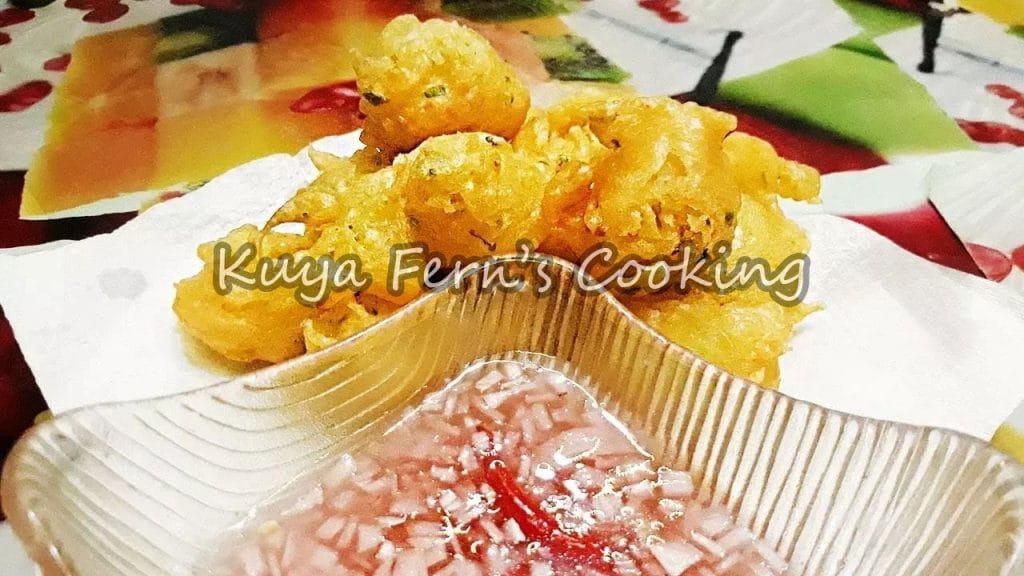
To succeed in the competitive landscape of street food, one must present the product with pride. Even a humble carrot ball deserves to be served with aesthetic care—perhaps in a rustic paper sleeve or drizzled with a secret dipping sauce of spiced vinegar and chili. The presentation signals to your customer that they are receiving value, quality, and a piece of culinary heritage. Remember, you are not just selling food; you are selling a connection to the comforts of home.
Engaging with your local community is the final step in the Mavhic philosophy. Tell the story of your ingredients, share the sizzle on your social media, and invite your customers into the process. When people understand that their snacks are made with fresh, locally sourced carrots and a commitment to quality, they become loyal patrons. This is the foundation of a business that grows from a small batch in a home kitchen to a neighborhood staple, all while staying well under the 300-peso overhead.
Step-by-Step Cooking Guide
- 1. Begin by transforming the humble carrot into a tapestry of flavor. Use a fine grater to achieve thin, ribbon-like strands that will cook evenly and maintain moisture. The act of grating is meditative, reminiscent of Lola in the kitchen, ensuring that every bite captures the essence of the root vegetable’s natural sweetness.
- 2. In a seasoned mixing bowl, introduce the aromatics. The minced garlic and diced onions create a base note of savory perfection that dances with the earthiness of the carrots. As you fold these together, the fragrance begins to tell a story of a dish that is both humble and profoundly flavorful, setting the stage for the culinary magic to follow.
- 3. Bind the mixture with the egg and dry ingredients. The flour and cornstarch act as the structural bridge, holding the julienned carrots in a delicate embrace. You are looking for a consistency that is tacky yet pliable, allowing you to shape the mixture into perfect spheres that represent the harmony of textures you are about to create.
- 4. Heat the oil until it reaches the golden threshold. Carefully drop each carrot ball into the shimmering pool, watching as the surface tension creates a beautiful, lacy exterior. The sound of the oil whispering against the dough is the heartbeat of the kitchen, signaling the transformation of simple ingredients into a high-value street food masterpiece.
🛑 Done Reading? Watch the Video Breakdown!
Catch all the practical kitchen tips, taste tests, and full preparation steps for Golden Carrot Spring Balls.
▶️ Watch the Full Golden Carrot Spring Balls Recipe Episode →
Frequently Asked Questions
- Can I add other vegetables to the Carrot Spring Balls? (Yes, you can experiment with finely shredded cabbage or malunggay to increase the nutritional density and flavor complexity of your business offering.)
- How long can I keep the carrot mixture before frying? (It is best to fry the mixture immediately after preparation to maintain the crispness and integrity of the vegetables, though you can keep it chilled for up to two hours.)
- What is the best dipping sauce for these balls? (A classic Filipino spiced vinegar with chopped onions, siling labuyo, and a hint of soy sauce perfectly cuts through the richness of the fried exterior.)
- How do I ensure they stay crispy for hours? (The secret lies in the ratio of cornstarch to flour and ensuring the oil temperature is kept consistent; avoid overcrowding the pan to prevent the temperature from dropping.)
Original coverage: Watch on YouTube
About The Author