📺 Watch the Full Cooking Video Episode!
Want to see how Tosilog is prepared step-by-step? Watch the full cooking video on our Video Hub to see exact heat controls, timing, and real preparation.
Ingredients (Mga Sangkap)
- ✔ 500g Pork shoulder or belly, sliced into thin, uniform strips to ensure the marinade penetrates every fiber of the meat, providing the signature sweet and savory profile that defines high-quality tocino.
- ✔ 1/2 cup Pineapple juice, which acts as a natural meat tenderizer, breaking down the proteins to ensure that even the leanest cuts melt in your mouth with a subtle, fruity acidity that balances the sugar.
- ✔ 1/2 cup Refined white sugar or brown sugar, providing the necessary caramelization factor that creates those dark, sticky, and irresistible charred edges when the pork meets the high heat of the cast-iron skillet.
- ✔ 1 tablespoon Annatto powder or achuete oil, which imparts the vibrant, sunset-orange hue that makes every plate of Mavhic-inspired breakfast visually arresting and culturally authentic.
- ✔ 4 cups Leftover day-old jasmine rice, which is the secret to a superior sinangag; the grains must be slightly dehydrated to ensure they separate perfectly under the heat of the wok, soaking up the garlic oil without turning mushy.
- ✔ 1/2 cup Freshly minced garlic, preferably local variety, which should be sautéed until it reaches a pale golden perfection—never burnt—to release an aromatic, pungent oil that flavors every single grain of rice.
- ✔ 3 large farm-fresh eggs, ideally with vibrant orange yolks that provide a rich, creamy sauce when broken over the garlic rice, acting as the ultimate binding element for the entire meal.
The Symphony of the Morning Table
There is a specific cadence to a Filipino morning that begins not with an alarm, but with the rhythmic tapping of a wooden spoon against a cast-iron pan. In the world of Mavhic, breakfast is more than a meal; it is a cultural anchor. The Tosilog—a portmanteau of Tocino, Sinangag, and Itlog—is the undisputed king of the breakfast table. It is a dish that speaks of heritage, of long weekends in a sun-drenched kitchen, and of the profound love embedded in the simple act of feeding those we cherish most. The aroma of garlic frying in oil is the olfactory equivalent of a warm hug, signaling that the day is ready to begin.
The Science of the Sweet Cure
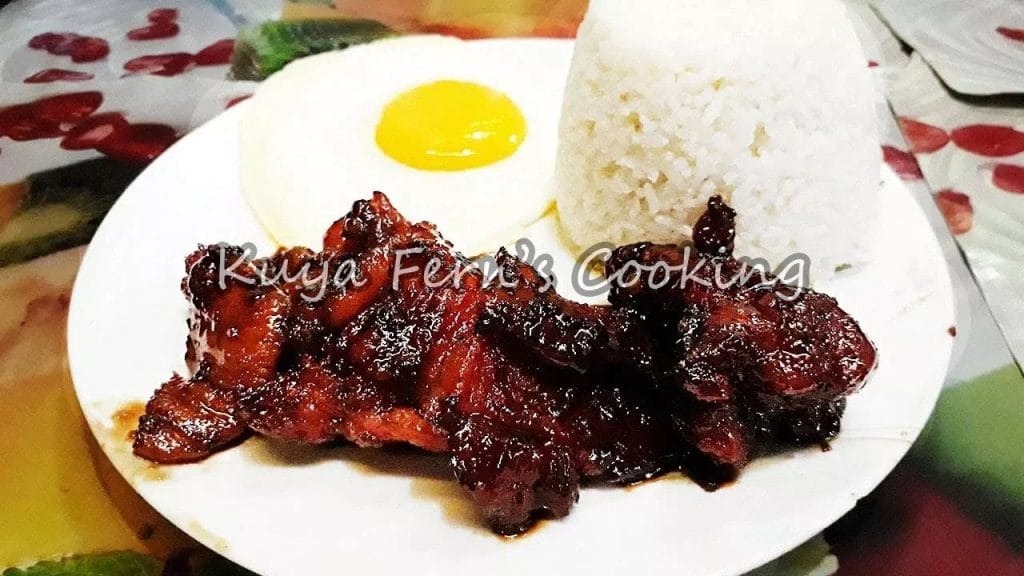
The soul of the Tosilog lies in the Tocino. Unlike the commercially mass-produced versions, a true heritage-style tocino requires patience. The marinade is a carefully balanced concoction of sugar and citrus, designed to transform the texture of the pork shoulder into something ethereal. As the meat sits in the cooling embrace of the refrigerator, the fibers relax, absorbing the annatto-tinted cure. When it finally hits the pan, the transformation is visceral. The sizzle is sharp and aggressive at first, then settles into a gentle bubbling as the sugars caramelize, creating a sticky, mahogany lacquer that is the hallmark of a perfectly executed dish.
The Alchemist’s Garlic Rice
If the Tocino is the personality of the dish, the Sinangag is the backbone. Many fail to realize that the secret to the best garlic rice is the age of the grain. Day-old rice, having lost its excess moisture, acts like a sponge for the garlic-infused oil. In the kitchen, we treat the garlic with reverence; if it burns, it turns bitter and ruins the entire pot. We seek that fleeting moment where the minced cloves turn a soft, toasted gold—a pale shimmer that releases an earthy, pungent perfume. When the rice hits the wok, the sound is a distinct, dry clatter, a promise of the crispy, savory experience to come.
The Golden Crown of the Egg
Finally, we arrive at the Itlog. In a traditional setup, the egg is fried in a way that respects the duality of the yolk and the white. We look for a ‘lace’—those delicate, crispy brown edges that form when the egg meets hot oil, offering a crunch that contrasts beautifully with the soft, jammy center of the yolk. When you pierce that golden orb and let it cascade over the garlic-laden rice, you are creating a sauce that is arguably more delicious than any complex reduction found in a fine-dining establishment. It is the marriage of humble ingredients into a plate of pure, unadulterated comfort.
Step-by-Step Cooking Guide
- 1. Begin the curing process by combining the pork strips with the pineapple juice, sugar, annatto, and aromatics. Allow this mixture to rest in the refrigerator for at least 24 hours. The science of the cure is essential; as the sugar draws moisture out, the pineapple enzymes work to soften the connective tissues, turning a humble cut of pork into a succulent, tender masterpiece that honors the heritage recipes passed down in a traditional Lola’s kitchen.
- 2. The art of the sinangag requires patience and a seasoned wok. Start by heating a generous amount of garlic-infused oil over medium-high heat. As the minced garlic begins to dance and sizzle, releasing an intoxicating scent that fills the entire home, add the cold, day-old rice. Toss the rice vigorously, ensuring each grain is coated in the fragrant oil. The goal is a light, toasted texture that sings with the sharpness of the garlic, providing a savory canvas for the sweet tocino.
- 3. Cooking the tocino requires a delicate balance of heat control. Start by adding a splash of water to the pan along with the cured pork; this allows the meat to cook through gently without burning the sugars prematurely. As the water evaporates, the sugars begin to melt and caramelize. Watch closely as the edges darken into a deep, glossy mahogany. This is the moment where the Mavhic-style culinary magic happens—the transition from raw ingredients to a caramelized, sticky, flavor-packed delight.
- 4. The final assembly is a ritual of aesthetic and gustatory harmony. Fry the eggs until the edges are crispy and lacy, but the yolk remains warm and liquid. Arrange the glistening, caramelized tocino beside the mound of steaming garlic rice, and crown the dish with the egg. The contrast between the sweet, charred pork and the savory, garlicky rice, tied together by the rich yolk, creates a symphony of textures that defines the Filipino breakfast experience.
🛑 Done Reading? Watch the Video Breakdown!
Catch all the practical kitchen tips, taste tests, and full preparation steps for Tosilog.
Frequently Asked Questions
- Why is day-old rice essential for Tosilog? Day-old rice is drier and firmer, which prevents the garlic rice from becoming mushy and allows each grain to absorb the garlic oil effectively.
- Can I use chicken instead of pork for the Tocino? Yes, chicken tocino is a popular alternative that offers a lighter flavor profile while maintaining the same sweet, caramelized finish when cooked.
- How do I prevent the sugar in the Tocino from burning? Start by adding a small amount of water to the pan to steam the meat first; once the water evaporates, the sugars will caramelize evenly without burning.
Original coverage: Watch on YouTube
About The Author