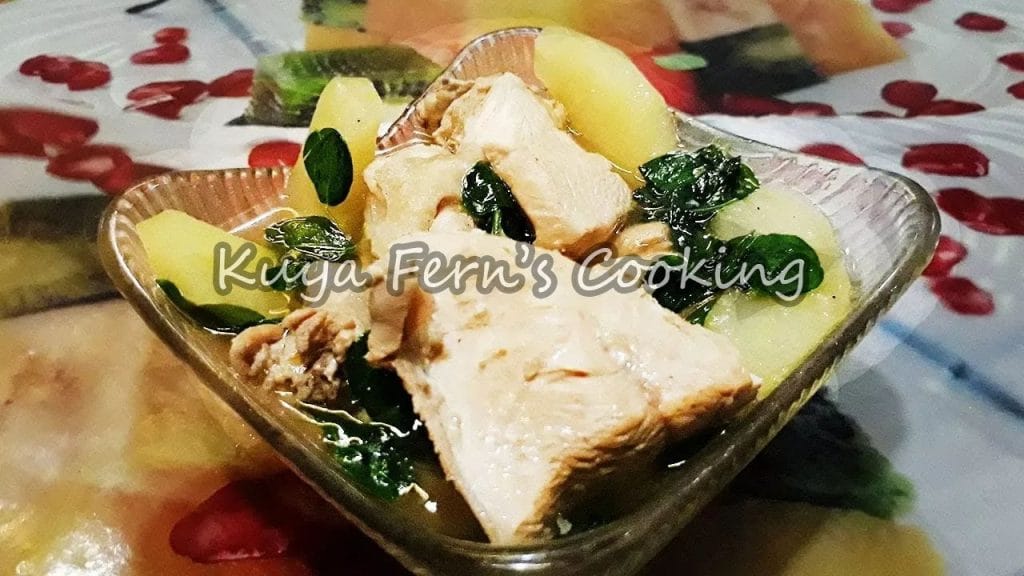
📺 Watch the Full Cooking Video Episode!
Want to see how Tinolang Manok with Malunggay is prepared step-by-step? Watch the full cooking video on our Video Hub to see exact heat controls, timing, and real preparation.
Ingredients (Mga Sangkap)
- ✔ 1 kg free-range chicken, chopped into serving pieces
- ✔ 2 tablespoons high-quality fish sauce (patis)
- ✔ 50 grams fresh ginger, sliced into thin strips
- ✔ 1 large onion, quartered
- ✔ 4 cloves garlic, minced
- ✔ 2 pieces chayote (sayote), peeled and sliced into wedges
- ✔ 2 cups fresh malunggay leaves, stems removed
- ✔ 1 tablespoon vegetable oil
- ✔ 5 cups water or organic chicken stock
- ✔ Salt and freshly cracked black pepper to taste
The Essence of the Filipino Hearth
To step into a kitchen where Tinolang Manok is simmering is to step back in time. The scent of ginger—sharp, clean, and invigorating—dances with the savory depth of chicken fat, creating a sensory symphony that defines the Filipino home. At Mavhic, we believe that this dish is more than just a recipe; it is a narrative of resilience and love, passed down through generations of grandmothers who understood that true nourishment begins with a clear, ginger-spiked broth.
When we talk about Tinolang Manok with Malunggay, we are talking about the ‘healing’ soup. It is the dish served when the weather turns cool or when a loved one needs a gentle embrace in liquid form. The marriage of the earthy chayote with the slightly peppery, nutty notes of the malunggay leaves creates a balance that is both sophisticated and humble. It is a masterclass in simplicity, proving that when ingredients are treated with respect, the outcome is nothing short of sublime.
The Art of the Sauté and the Ginger Infusion
The secret to a world-class Tinola lies in the initial sear. Many novice cooks overlook the importance of the ginger-garlic base, but for a heritage chef, this is where the soul of the dish is forged. The ginger must be sliced thinly to maximize its surface area, allowing it to release its essential oils into the cooking fat. As the garlic hits the hot oil, the kitchen transforms; the air becomes thick with a fragrance that is quintessentially Filipino—warm, spicy, and deeply inviting.
Searing the chicken is the second act in this culinary drama. We aim for a golden crust, not for deep frying, but to lock in the juices. When the fish sauce hits the hot pan, it creates a brief, intense sizzle, caramelizing slightly and adding a layer of umami that salt alone could never replicate. This is the foundation upon which the entire flavor profile of the soup is built, a testament to the Mavhic philosophy that patience is the most important ingredient in any pot.
The Golden Broth: A Liquid Masterpiece
Once the water meets the seared aromatics, the patience phase begins. A good Tinola should never be rushed. The slow simmer is necessary to draw the marrow from the bones, creating a broth that is rich, silky, and deeply satisfying. This is where the magic happens; the ginger infuses the liquid with a subtle heat that settles in the chest, while the chicken fat creates small, glittering jewels on the surface of the soup, reflecting the light of the kitchen.
Skimming the broth is a meditative practice. By removing the impurities, you are purifying the flavor, ensuring that the final bowl is clean and elegant. There is a profound beauty in a clear, golden soup that hides nothing. It is a showcase of technique and clarity, a reflection of the chef’s commitment to quality. As the chayote softens, it absorbs the ginger broth, becoming a vessel of flavor that melts upon the palate, offering a texture that contrasts beautifully with the tender chicken.
The Final Flourish: The Power of Malunggay
Malunggay, or moringa, is often called a miracle tree, and in the context of this soup, it is the crowning glory. It brings a verdant, vibrant color to the dish, signaling that the meal is not only delicious but restorative. We add the leaves at the very last second, turning off the heat to preserve their bright green hue and their delicate, earthy flavor. To overcook the malunggay is to lose its soul; to undercook it is to miss the integration of flavors.
Serving this dish is a ritual. It is best enjoyed in deep ceramic bowls, accompanied by a side of freshly steamed jasmine rice. Each spoonful should be a balance of broth, meat, and vegetable. As you enjoy the warmth of the Tinolang Manok with Malunggay, remember that you are participating in a tradition that spans centuries. Whether you are cooking for your family or seeking solace in a quiet meal, Mavhic invites you to celebrate the heritage, the health, and the heart of Filipino cuisine.
Step-by-Step Cooking Guide
- 1. Begin by heating the vegetable oil in a heavy-bottomed clay pot or deep casserole. Sauté the ginger strips until they release a pungent, earthy aroma that fills the kitchen. Add the garlic and onions, allowing them to soften until translucent, creating the aromatic foundation of the dish.
- 2. Add the chicken pieces to the pot, searing them until the skin turns a light golden brown. Pour in the fish sauce and stir thoroughly, allowing the chicken to absorb the savory essence. Let it cook for five minutes, allowing the proteins to firm up while the ginger permeates the meat.
- 3. Pour in the water or stock, bringing the liquid to a gentle, rolling boil. Use a ladle to skim off any impurities or foam that rises to the surface, ensuring a clear, golden, and pristine broth. Reduce the heat and let it simmer for forty minutes, allowing the collagen to break down and the flavors to marry perfectly.
- 4. Introduce the chayote wedges to the pot, cooking them until they are tender yet retain a slight bite. Finally, turn off the heat and fold in the fresh malunggay leaves. The residual heat will wilt the leaves perfectly, preserving their vibrant color and nutritional integrity before serving immediately.
🛑 Done Reading? Watch the Video Breakdown!
Catch all the practical kitchen tips, taste tests, and full preparation steps for Tinolang Manok with Malunggay.
▶️ Watch the Full Tinolang Manok with Malunggay Recipe Episode →
Frequently Asked Questions
- What is the secret to a perfect Tinolang Manok broth? The secret is to patiently simmer the chicken with ginger and to carefully skim the impurities from the surface to ensure a clean, golden, and flavorful liquid.
- Can I substitute the chicken with other proteins? While traditional recipes use bone-in chicken for flavor, you can adapt the dish, though the authentic experience relies on the interaction between chicken fat, ginger, and fish sauce.
- Why is malunggay added at the end of the cooking process? Adding the leaves at the very end with the heat turned off preserves their vibrant green color, delicate texture, and essential nutrients.
- Is Tinolang Manok considered a healthy dish? Yes, it is widely regarded as a restorative meal due to the healing properties of ginger and the high nutritional density of malunggay leaves.
Original coverage: Watch on YouTube
About The Author