Ingredients Needed
- 1 lb grated fresh ube (purple yam) or high-quality frozen ube
- 1 can (12 oz) evaporated milk
- 1 can (14 oz) sweetened condensed milk
- 1 can (13.5 oz) full-fat coconut milk
- 1/2 cup unsalted butter, softened
- 1/2 teaspoon vanilla extract
- 1/4 cup shredded quick-melt cheese or cheddar
- Pinch of salt
Origin & Culinary Story
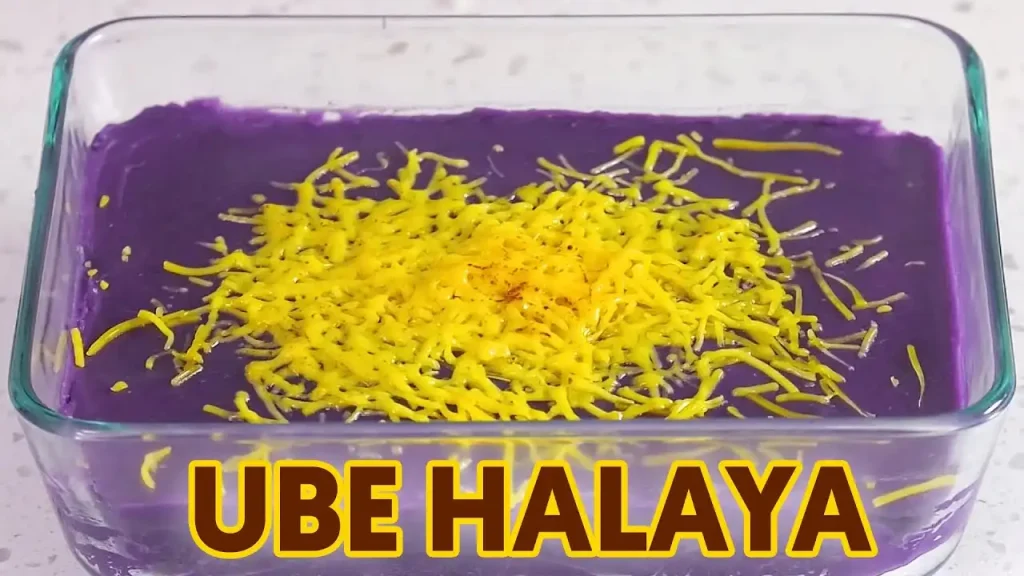
Ube Halaya, or Halayang Ube, is a cornerstone of Filipino celebrations, particularly during the holidays. Its roots trace back to the Spanish colonial period, where the technique of cooking down root crops with milk and sugar—a process similar to making jams—was adapted to suit local ingredients. The purple yam, a tuber native to the Philippines, became the star, transforming simple home kitchens into aromatic hubs of deep violet sweetness. The addition of cheese is a distinctively Filipino evolution, reflecting the country’s preference for balancing sugary desserts with a savory, salty kick.
The Culinary Experience
Achieving the perfect consistency requires a delicate dance with heat. By slowly reducing the mixture of coconut milk and condensed milk, you coax out a depth of flavor that store-bought versions simply cannot replicate. The inclusion of butter at the final stage provides that signature sheen and mouthfeel, ensuring the halaya is rich enough to satisfy any craving. It is this slow, deliberate cooking process that turns humble tubers into a luxurious treat, worthy of being the centerpiece of any festive table or a solitary midnight snack.
Serving Ube Halaya is where the magic truly settles. The warmth of the freshly made yam against the sharp, salty tang of shredded cheese creates a flavor profile that is uniquely Filipino. Whether you serve it chilled as a firm bar or warm as a soft, pudding-like spread, the contrast between the earthy sweetness and the savory cheese is a revelation. Each bite is a testament to the beauty of simple ingredients handled with care, offering a comforting, nostalgic embrace that feels like coming home.
Step-by-Step Cooking Instructions
- 1Combine the evaporated milk, condensed milk, and coconut milk in a large non-stick heavy-bottomed pan or wok over medium heat.
- 2Add the grated ube once the milk mixture begins to simmer, stirring constantly to ensure the yam is fully incorporated into the liquids.
- 3Lower the heat to medium-low and continue to stir continuously for 30 to 45 minutes; patience is key here to prevent burning at the bottom.
- 4Fold in the softened butter once the mixture starts to thicken and pull away from the sides of the pan, which indicates the moisture is evaporating.
- 5Stir in the vanilla extract and a pinch of salt to balance the sweetness.
- 6Continue cooking until the consistency is thick, smooth, and spreadable, often referred to as the ‘pastillas’ stage.
- 7Remove from heat and transfer the mixture into a greased serving dish or mold, smoothing the top with a spatula.
- 8Sprinkle the shredded cheese generously over the top while the halaya is still warm, allowing it to soften slightly into the surface.
- 9Allow the dish to cool completely at room temperature before chilling in the refrigerator for at least two hours to set properly.
Kitchen Secrets & Pro Tips
- Use a heavy-bottomed non-stick pan to distribute heat evenly and prevent the bottom from scorching during the long cooking process.
- Stir in a figure-eight motion to ensure that the bottom of the pan is constantly scraped, preventing the milk solids from burning.
- If you are using fresh ube, ensure you grate it finely to achieve a smooth, jam-like texture rather than a chunky consistency.
- The halaya will continue to firm up as it cools, so stop cooking when it reaches a thick, spreadable paste consistency.
Frequently Asked Questions
- Can I use powdered ube extract instead of fresh yam? (Yes, but for an authentic texture, fresh or frozen grated ube is highly recommended as it provides the necessary fibrous bulk.)
- How long can I store homemade Ube Halaya? (It will keep well in an airtight container in the refrigerator for up to five days.)
- Why did my halaya turn out gritty? (Grittiness is usually caused by not cooking the yam long enough or not grating the yam finely enough before starting the process.)
Disclaimer: This recipe guide is created for educational purposes and the preservation of Filipino culinary culture.
About The Author