📺 Watch the Full Cooking Video Episode!
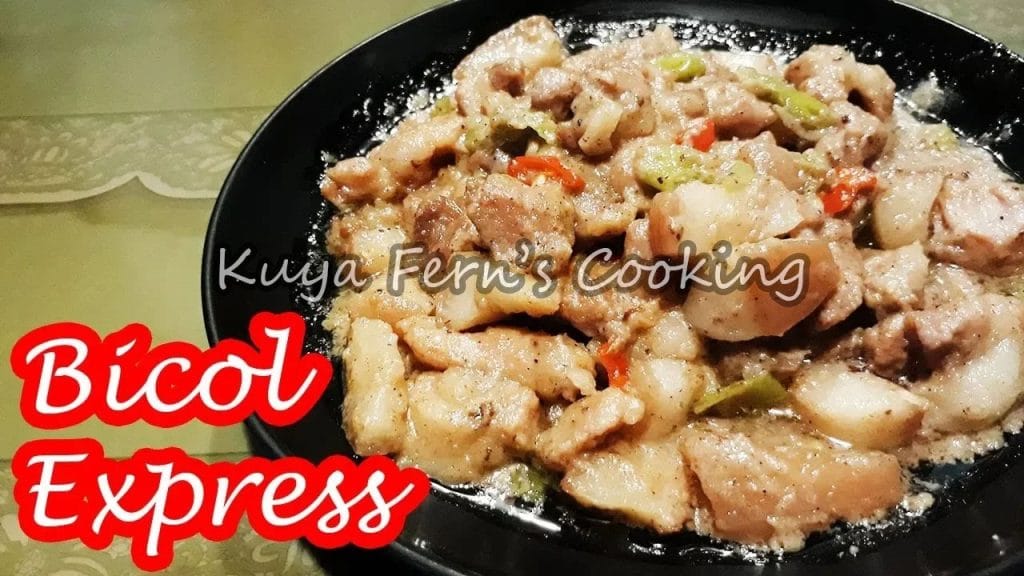
Want to see how Bicol Express is prepared step-by-step? Watch the full cooking video on our Video Hub to see exact heat controls, timing, and real preparation.
Ingredients (Mga Sangkap)
- ✔ 500g Fresh Pork Belly, slab-cut and cubed into bite-sized, marbled jewels.
- ✔ 2 cups Thick Coconut Cream, pressed from the freshest grated coconut meat.
- ✔ 1 cup Thin Coconut Milk, the base for simmering and flavor extraction.
- ✔ 100g Siling Labuyo (Bird’s Eye Chili), finely sliced to release their hidden, volatile oils.
- ✔ 1 head Native Garlic, peeled and crushed to unlock pungent, savory essential oils.
- ✔ 2 large Red Onions, diced into translucent, aromatic cubes.
- ✔ 4 tablespoons Premium Shrimp Paste (Bagoong Alamang), sautéed until caramelized and fragrant.
- ✔ 2 tablespoons Virgin Coconut Oil for an authentic, tropical depth.
The Sensory Awakening: A Prelude to Bicolano Flavor
To experience Bicol Express is to embark on a pilgrimage through the lush, volcanic landscapes of the Bicol Peninsula. It is not merely a dish; it is a manifestation of the Filipino spirit—resilient, warm, and unapologetically bold. As the aroma of sautéed garlic and pungent shrimp paste wafts through the air, one is transported back to the ancestral kitchens where grandmothers would meticulously prepare coconut milk by hand, a labor of love that transforms simple ingredients into culinary poetry.
The Art of the Sear: Building the Foundation
The choice of pork belly is intentional, a celebration of texture and fat. When the marbled meat hits the scorching heat of the pan, the transformation is visceral. The fat renders slowly, creating a golden, caramelized exterior that acts as a vessel for the impending infusion of coconut. This stage requires a chef’s patience; the sizzle must be steady, rhythmic, and constant, ensuring that the meat is never steamed but truly browned, locking in the natural juices that will soon harmonize with the creamy coconut base.
The Symphony of Coconut and Chili
Bicol Express is defined by its delicate balance. The coconut milk provides a cooling, velvety contrast to the sharp, biting heat of the siling labuyo. In the Mavhic tradition, we believe that the chili should not merely provide heat but should release its floral, grassy notes into the reduction. As the coconut cream thickens, it takes on a glossy sheen, signaling that the ingredients have surrendered their individual identities to become a singular, cohesive masterpiece of Bicolano heritage.
Heritage in Every Bite
The final plate is a visual and olfactory triumph. Served over a mound of steaming jasmine rice, the sauce acts as the bridge between the blandness of the grain and the intensity of the pork. It is a dish meant to be shared, passed around a table filled with laughter and stories, embodying the essence of hospitality. Every bite is a testament to the richness of our soil, the bounty of our seas, and the enduring legacy of the kitchens that raised us.
Step-by-Step Cooking Guide
- 1. Begin by heating the virgin coconut oil in a heavy-bottomed clay pot or a seasoned cast-iron skillet, allowing the fat to shimmer with a promise of heat. As the temperature rises, introduce the garlic and onions, stirring gently until they soften into a translucent, golden hue that fills the kitchen with the nostalgic fragrance of a Sunday afternoon in a traditional home.
- 2. Add the pork belly cubes, searing them until the edges turn into a deep, mahogany brown. The rendering fat dances in the pan, creating a symphony of sizzles that serves as the heartbeat of the dish. This browning process is non-negotiable, as it develops the complex, savory crust that will eventually balance the creaminess of the sauce.
- 3. Incorporate the shrimp paste, folding it into the pork until every morsel is coated in a salty, umami-rich glaze. Pour in the thin coconut milk, allowing the mixture to reach a gentle, rolling simmer. As the liquid slowly evaporates, it infuses the meat with a profound, earthy depth that captures the very soul of the Bicol region.
- 4. Finally, stir in the thick coconut cream and the vibrant, incendiary siling labuyo. Reduce the heat to a whisper, letting the sauce thicken into a luxurious, glossy reduction that clings to the pork. The dish is complete when the oil separates from the coconut milk, a sign of perfection that speaks of patient, masterful culinary craft.
🛑 Done Reading? Watch the Video Breakdown!
Catch all the practical kitchen tips, taste tests, and full preparation steps for Bicol Express.
Frequently Asked Questions
- What is the secret to a perfect Bicol Express? (The secret lies in the patience shown while reducing the coconut milk until the natural oils begin to separate, creating a rich, glossy finish.)
- Can I substitute the chili if I have a low heat tolerance? (While siling labuyo is traditional for its unique flavor, you may use milder long green chilies; however, you will lose the signature heat that defines the dish’s identity.)
- Why is shrimp paste essential to this recipe? (Bagoong alamang provides the necessary umami backbone that cuts through the richness of the coconut milk and balances the heat of the chilies.)
Original coverage: Watch on YouTube
About The Author