📺 Watch the Full Cooking Video Episode!
Want to see how The Soul of Bacolod is prepared step-by-step? Watch the full cooking video on our Video Hub to see exact heat controls, timing, and real preparation.
Ingredients (Mga Sangkap)
- ✔ 1.5kg Whole Chicken, cut into quarters, cleaned and patted dry for optimal skin crisping.
- ✔ 1/2 cup Calamansi juice, the quintessential Filipino citrus that tenderizes the meat while providing a sharp, bright acidity.
- ✔ 2 stalks Lemongrass (Tanglad), bruised to release aromatic oils that perfume the marinade from within.
- ✔ 1/4 cup Ginger, minced finely to offer a warm, zesty heat that cuts through the richness of the chicken fat.
- ✔ 1 head Garlic, crushed and minced, providing the foundational savory pungency that characterizes authentic Visayan cuisine.
- ✔ 1/4 cup Annatto oil (Atsuete), the vibrant soul of the dish that provides the signature sunset-orange hue and a subtle, earthy nuttiness.
- ✔ 1/4 cup Coconut vinegar, adding a fermented depth and tang that balances the fats during the slow-grilling process.
The Heritage of the Visayan Hearth
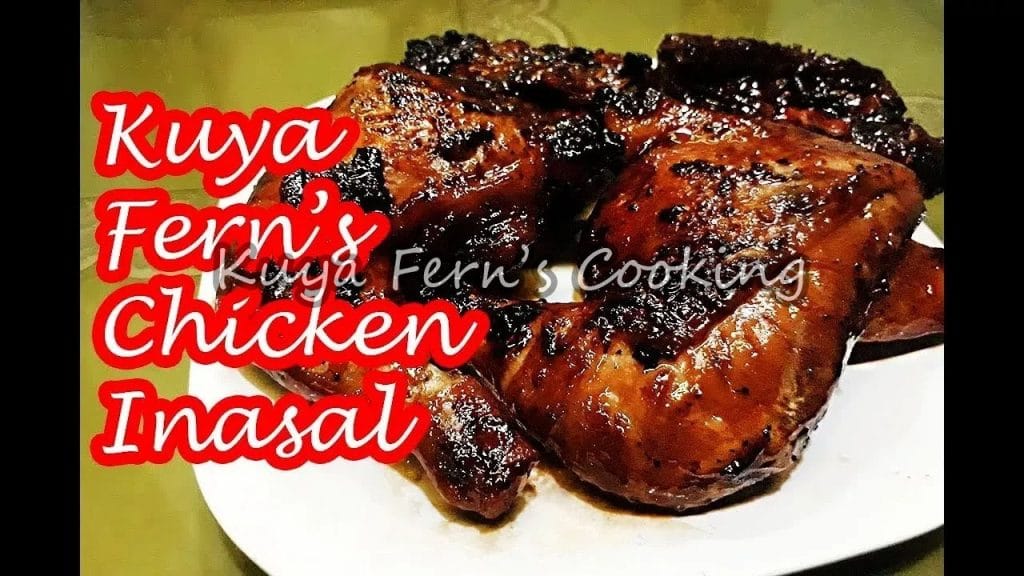
To speak of Chicken Inasal is to speak of the soul of the Visayas. It is more than a dish; it is a cultural artifact born from the charcoal pits of Bacolod City. In the kitchens of our Lolas, the preparation of this dish was a meditative process, a slow dance with fire and spice that turned simple poultry into a masterpiece. As a chef at Mavhic, I invite you to peel back the layers of tradition, moving beyond the recipe to understand the philosophy of the grill.
The Symphony of Aromatics
The foundation of a great Inasal lies in the trinity of calamansi, ginger, and garlic. These are not mere seasonings; they are the narrative markers of Filipino identity. When you bruise the lemongrass, you are releasing a memory. When you mince the ginger, you are preparing to balance the heavy, savory notes with a bright, clean heat. The marinade is a marriage of acidity and earth, designed to permeate the bone, ensuring that every bite is an explosion of layered complexity.
The Art of the Open Flame
Modern conveniences have their place, but Inasal demands the raw, honest heat of charcoal. There is a specific chemical reaction that occurs when fat hits glowing embers—a transformation that creates a smoky, ethereal flavor profile that cannot be replicated by gas or electric ovens. The smoke acts as a seasoning, weaving through the fibers of the meat, creating a bridge between the sharp citrus marinade and the rich, rendered fat of the skin.
Serving the Tradition
In the tradition of the heritage stalls, Chicken Inasal is never served alone. It demands the company of warm, steaming garlic rice and a dipping sauce composed of soy sauce, calamansi, and siling labuyo. The contrast between the smoky, charred chicken and the sharp, spicy dip is what creates the legendary balance that has made this dish a global sensation. At Mavhic, we believe that every meal is an opportunity to honor our ancestors, and this dish is the purest form of that devotion.
Step-by-Step Cooking Guide
- 1. The Ritual of the Marinade: Begin by whisking your calamansi juice, coconut vinegar, minced ginger, and garlic in a deep glass bowl. The scent should be sharp, waking up your senses immediately. As you immerse the chicken, ensure every crevice is coated. The lemongrass stalks should be tucked into the cavity or pressed against the meat, allowing their citrus-floral notes to infuse the chicken overnight. This is where time becomes an ingredient itself, transforming the cellular structure of the protein.
- 2. The Alchemy of Annatto Oil: In a small saucepan, gently heat annatto seeds in neutral oil. Watch as the clear liquid transforms into a deep, molten amber. This is not merely coloring; it is the essence of the Inasal’s visual identity. Strain the seeds and set the oil aside. This liquid gold will be your primary tool for basting, creating a protective barrier that seals in juices while promising a charred, caramelized exterior that tastes like a summer evening in Bacolod.
- 3. The Mastery of the Coal Grill: Prepare your charcoal grill until the coals are glowing with a soft, pulsing red heat. Do not rush this; the smoke is the final ingredient. Place the chicken skin-side up initially, letting the indirect heat draw out the natural fats. As the smoke rises, it should carry the scent of charred lemongrass and garlic into the air. This is the moment your kitchen—or backyard—becomes a sanctuary of heritage, echoing the smoke-filled kitchens of ancestral homes.
- 4. The Basting Dance: Throughout the grilling process, brush the chicken repeatedly with your prepared annatto oil. The sizzle when the oil hits the hot chicken skin is the sound of perfection. Turn the chicken frequently to ensure an even cook, watching as the skin turns into a crisp, mahogany-colored lacquer. The combination of the rendered chicken fat, the annatto, and the residual marinade creates a complex sauce that thickens on the meat, providing the iconic, sticky-sweet profile that defines true Chicken Inasal.
🛑 Done Reading? Watch the Video Breakdown!
Catch all the practical kitchen tips, taste tests, and full preparation steps for The Soul of Bacolod.
Frequently Asked Questions
- What is the secret to authentic Chicken Inasal skin? The secret lies in the repeated basting of annatto-infused oil during the final stages of grilling, which creates a deep, crispy, mahogany-colored glaze.
- Can I bake Chicken Inasal instead of grilling? While you can achieve a similar flavor profile in an oven, you will lose the distinct smokiness that only charcoal can provide, which is the hallmark of the dish.
- How long should I marinate the chicken? For the best results, marinate for at least 12 to 24 hours to ensure the calamansi and ginger have enough time to tenderize the meat and penetrate to the bone.
Original coverage: Watch on YouTube
About The Author