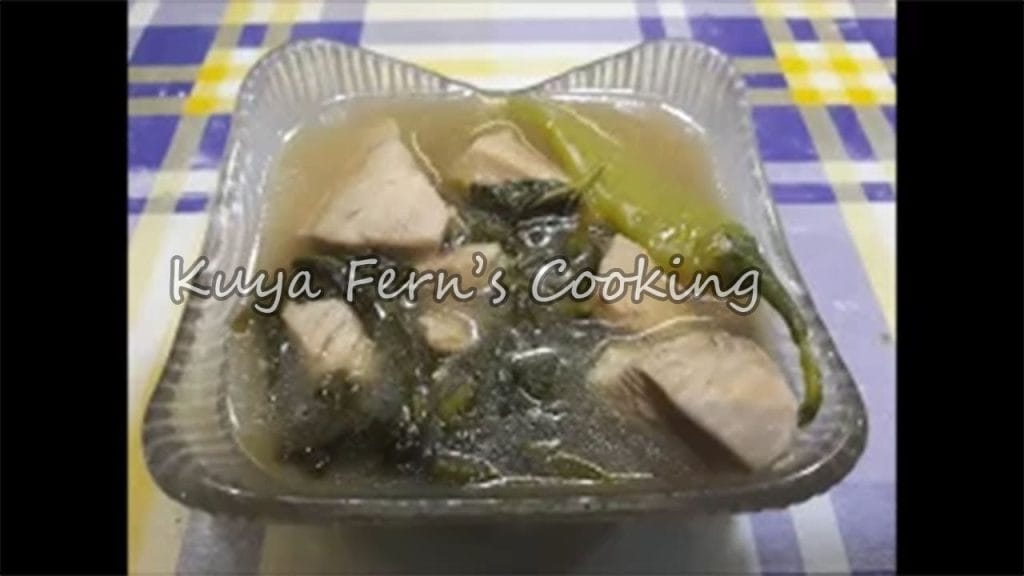
📺 Watch the Full Cooking Video Episode!
Want to see how Sinigang na Manok is prepared step-by-step? Watch the full cooking video on our Video Hub to see exact heat controls, timing, and real preparation.
Ingredients (Mga Sangkap)
- ✔ 1 kg free-range chicken, cut into serving pieces
- ✔ 2 liters filtered water
- ✔ 40g tamarind powder or 100g fresh tamarind pulp
- ✔ 3 large ripe tomatoes, quartered
- ✔ 1 large red onion, sliced into thick wedges
- ✔ 3 cloves garlic, crushed
- ✔ 2 tablespoons fish sauce (patis)
- ✔ 1 bundle water spinach (kangkong), trimmed
- ✔ 2 long green chili peppers (siling haba)
- ✔ 1 medium white radish (labanos), sliced into rounds
- ✔ 1 cup okra, ends trimmed
The Essence of Filipino Comfort
There is an undeniable magic that happens in a Filipino kitchen when the sharp, tangy scent of tamarind meets the earthy warmth of simmering chicken. Sinigang na Manok is not merely a recipe; it is a cultural tapestry woven from the memories of rainy afternoons and family gatherings. Unlike its pork-based counterpart, the chicken version offers a lighter, more refined profile that dances on the tongue, providing a refreshing brightness that is inherently nourishing.
At Mavhic, we believe that the soul of this dish lies in the patience of the broth. By allowing the aromatics to meld slowly, you create a foundational base that elevates simple ingredients into something transcendent. It is the kind of meal that heals, warms, and reminds us that the most profound culinary experiences are often born from the humblest of pantry staples.
Sourcing and Preparation
The secret to a world-class Sinigang begins with the quality of the poultry. Opting for free-range or organic chicken ensures that the meat has a depth of flavor that can withstand the intense acidity of the tamarind. As you slice through the vegetables, take a moment to appreciate the vibrant colors—the deep red of the tomatoes, the crisp white of the radish, and the verdant greens of the kangkong. This is the mise en place of heritage cooking.
Preparing the aromatics is an act of love. When you crush the garlic, you release the essential oils that form the backbone of the soup. The sizzle of the pan as the aromatics hit the heat is the heartbeat of your kitchen. This is the moment where the house transforms into a home, filled with the promise of a meal that has been perfected over generations of Filipino mothers and grandmothers.
The Art of the Broth
The broth is the stage upon which all other ingredients perform. It must be balanced—a delicate equilibrium between the sharp, lip-puckering sourness of the tamarind and the savory, umami-rich depth of the fish sauce. Achieving this balance is a rite of passage for any home cook. We recommend adding the tamarind gradually, tasting as you go, until you reach that elusive ‘sweet spot’ of flavor.
As the soup simmers, the chicken releases its natural collagen, thickening the broth just enough to coat the back of a spoon. This subtle viscosity provides a luxurious mouthfeel that contrasts beautifully with the crunch of the okra and the radish. It is a masterclass in texture, proving that simplicity, when executed with precision, is the ultimate sophistication.
Cultural Significance
Sinigang na Manok is a testament to the resilience and resourcefulness of Filipino cuisine. It adapts to the seasons, welcoming whatever vegetables are fresh at the market. Whether enjoyed in the sweltering heat of a tropical summer or the cool breeze of a monsoon season, this soup remains a constant pillar of the Filipino dining table.
Sharing a bowl of this soup is an act of communion. It is meant to be eaten with mounds of steaming white rice, the broth soaking into every grain, creating a comforting porridge-like consistency that satisfies the deepest hungers. At Mavhic, we celebrate these traditions, encouraging you to invite your loved ones to the table and share in the story that this dish tells.
Step-by-Step Cooking Guide
- 1. Begin by heating a heavy-bottomed pot over medium flame, adding a touch of oil to prepare for the aromatics. Sauté the garlic and onions until they soften and release their sweet, pungent perfume into the air, signaling the start of a traditional Filipino kitchen masterpiece.
- 2. Introduce the chicken pieces to the pot, searing them until the skin turns a pale, golden hue. This crucial step locks in the natural juices and ensures that every bite retains a succulent texture that balances perfectly with the upcoming sour broth.
- 3. Pour in the water and add the quartered tomatoes, allowing the pot to reach a gentle simmer. As the water begins to bubble, skim off any impurities from the surface to ensure a crystal-clear, professional-grade broth that highlights the quality of your ingredients.
- 4. Stir in the tamarind extract and fish sauce, adjusting the acidity to your personal preference. The transformation of the broth into a zesty, mouth-watering elixir is the soul of the dish, acting as a wake-up call for the palate.
- 5. Add the harder vegetables first, such as the radish and okra, letting them soften in the bubbling liquid. Finally, fold in the kangkong and green chilies at the very last moment to preserve their vibrant color and essential crunch, serving immediately while steaming hot.
🛑 Done Reading? Watch the Video Breakdown!
Catch all the practical kitchen tips, taste tests, and full preparation steps for Sinigang na Manok.
Frequently Asked Questions
- Can I use other souring agents for this soup? Yes, you can experiment with calamansi, kamias, or guava to achieve different layers of sourness.
- How do I ensure the vegetables don’t turn mushy? Always add the delicate greens like kangkong at the very end of the cooking process, turning off the heat immediately after.
- Is it necessary to use fish sauce? While fish sauce provides the signature umami, you can substitute it with sea salt or a dash of light soy sauce if preferred.
- Can this dish be frozen for later? Absolutely, the flavors often deepen overnight, making it an excellent meal for batch cooking and reheating throughout the week.
Original coverage: Watch on YouTube
About The Author