📺 Watch the Full Cooking Video Episode!
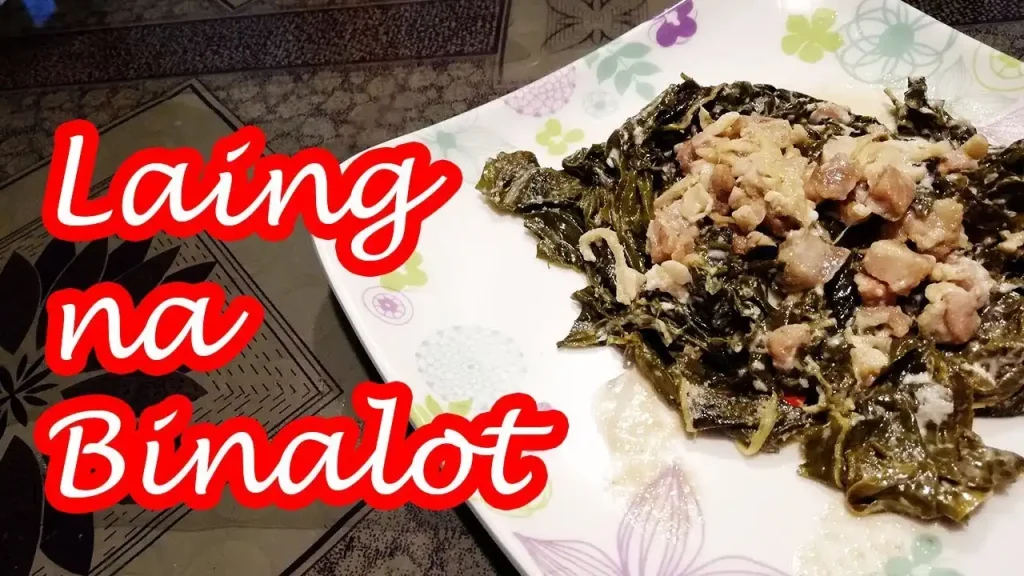
Want to see how Binalot na Laing A Soulful Heritage Wrapped in Banana Leaves is prepared step-by-step? Watch the full cooking video on our Video Hub to see exact heat controls, timing, and real preparation.
👉 Watch the Binalot na Laing A Soulful Heritage Wrapped in Banana Leaves Recipe Video →
🛑 Done Reading? Watch the Video Breakdown!
Catch all the practical kitchen tips, taste tests, and full preparation steps for Binalot na Laing A Soulful Heritage Wrapped in Banana Leaves.
▶️ Watch the Full Binalot na Laing A Soulful Heritage Wrapped in Banana Leaves Recipe Episode →
Ingredients Needed
- 50g dried taro (gabi) leaves
- 400ml thick coconut cream (kakang gata)
- 200ml coconut milk (gata)
- 200g pork belly, sliced into small cubes
- 1/2 cup bagoong alamang (fermented shrimp paste)
- 1 tbsp ginger, julienned
- 4 cloves garlic, minced
- 1 medium onion, diced
- 5 pieces bird’s eye chilies (siling labuyo), whole or sliced
- 2 stalks lemongrass, white parts bruised
- Banana leaves, cleaned and lightly charred over an open flame
Origin & Culinary Story
Laing originates from the Bicol region of the Philippines, a land famous for its affinity for coconut milk and fiery chili peppers. The practice of ‘binalot’—wrapping food in banana leaves—is an ancient Filipino tradition born from necessity and resourcefulness, meant to preserve moisture, impart a delicate smoky aroma, and provide a convenient, biodegradable vessel for meals during long journeys or communal gatherings.
The Culinary Experience
The magic truly happens during the wrapping stage. By cocooning the warm laing in charred banana leaves, you invite a subtle, grassy aroma that elevates the dish from a simple stew to an aromatic experience. The leaves act as a natural steamer, locking in the essential oils and moisture, ensuring that every portion remains succulent and deeply flavorful until the very last bite. It is a dish that demands to be enjoyed with a mound of steaming white rice, which acts as the perfect canvas for the thick, creamy sauce.
Serving Binalot na Laing is an invitation to slow down and appreciate the craftsmanship of traditional home cooking. Whether presented as a centerpiece at a family feast or enjoyed as a comforting solitary meal, the sight of the neatly folded green package is synonymous with hospitality and heritage. When you unfurl the leaf, the immediate burst of fragrant steam is an unmistakable signal that you are about to enjoy one of the most iconic and soul-satisfying dishes in the Philippine archipelago.
Step-by-Step Cooking Instructions
- 1Prepare the taro leaves by removing the tough stems and tearing them into smaller pieces.
- 2In a heavy-bottomed pan, sauté the pork belly until it renders its fat and turns golden brown.
- 3Add the ginger, garlic, and onions to the pork fat and cook until fragrant.
- 4Stir in the bagoong alamang and cook for two minutes to release its deep, savory aroma.
- 5Pour in the thinner coconut milk and bring to a gentle simmer, then add the lemongrass and taro leaves.
- 6Allow the leaves to absorb the liquid without stirring; let them wilt naturally for about 10 minutes.
- 7Pour in the thick coconut cream and add the chilies, then lower the heat to a slow, steady simmer until the sauce thickens and the oil separates (nagmamantika).
- 8Lay out a large piece of charred banana leaf and scoop a generous portion of the finished laing into the center.
- 9Fold the edges of the leaf neatly to create a rectangular packet and secure it with kitchen twine or by tucking the ends tightly.
- 10Serve immediately while the banana leaf fragrance is still warm and infused into the creamy taro.
Kitchen Secrets & Pro Tips
- Always char your banana leaves over an open stove flame for a few seconds until they turn vibrant green and pliable; this prevents them from tearing during wrapping.
- Never stir the taro leaves immediately after adding them to the coconut milk, as this is said to cause the leaves to become ‘makati’ or itchy to the throat.
- Use fresh, thick coconut cream for the best texture; the goal is for the sauce to naturally separate into a rich, orange-tinted oil.
- If you prefer a deeper flavor, sear the pork belly until it is almost crispy before adding the aromatics.
Frequently Asked Questions
- Is it normal for laing to be itchy(?)If cooked properly without stirring early on, the leaves lose their ‘makati’ quality completely.
- Can I substitute the pork(?)Yes, smoked fish (tinapa) or dried shrimp are excellent, authentic alternatives.
- Why wrap in banana leaves(?)It adds a distinct, earthy scent and keeps the dish warm and moist for longer periods.
Disclaimer: This recipe guide is created for educational purposes and the preservation of Filipino culinary culture.
About The Author