📺 Watch the Full Cooking Video Episode!
Want to see how Filipino Chicken Asado is prepared step-by-step? Watch the full cooking video on our Video Hub to see exact heat controls, timing, and real preparation.
🛑 Done Reading? Watch the Video Breakdown!
Catch all the practical kitchen tips, taste tests, and full preparation steps for Filipino Chicken Asado.
Ingredients Needed
- 1.5 lbs chicken thighs and drumsticks
- 1/4 cup calamansi juice (or lemon juice)
- 1/3 cup soy sauce
- 1 small yellow onion, diced
- 4 cloves garlic, minced
- 1 cup tomato sauce
- 1/2 cup water or chicken stock
- 2 dried bay leaves
- 1 tsp whole black peppercorns
- 1 tbsp brown sugar
- 2 tbsp cooking oil
- Salt to taste
Origin & Culinary Story
Chicken Asado is a testament to the Philippines’ deep colonial history, specifically the Spanish influence on local palate. While the name shares roots with the Spanish ‘asado’ (meaning roasted or grilled), the Filipino version evolved into a braised dish. It reflects the Filipino penchant for ‘paksiw’ flavors—the marriage of vinegar or citrus and soy sauce—often adjusted by families to be sweeter or more tomato-forward depending on the province.
The Culinary Experience
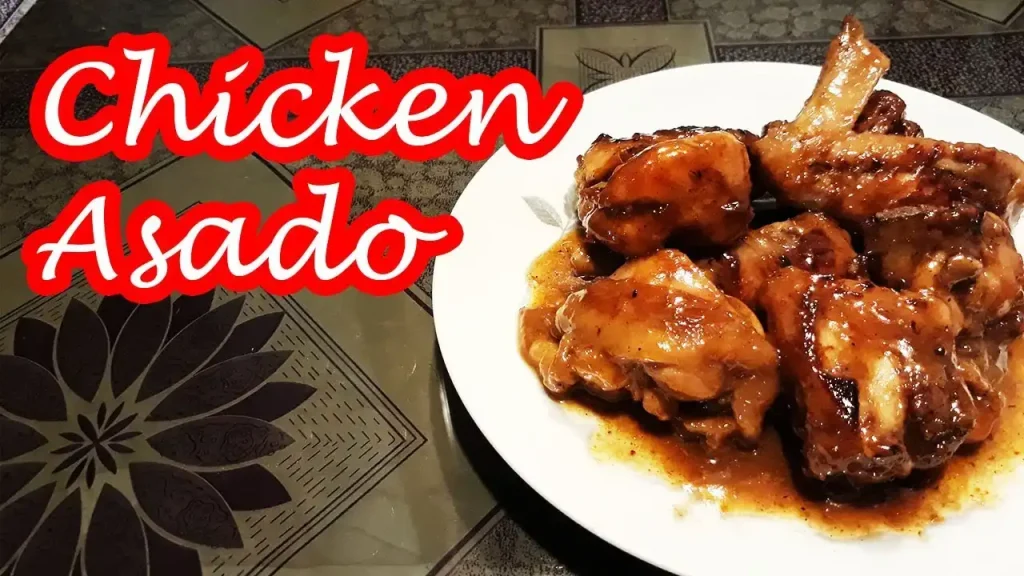
The beauty of this recipe lies in the transformation of humble ingredients. By marinating the chicken first, the aromatics penetrate deep into the fibers, ensuring that even the breast meat remains succulent throughout the braising process. As the sauce reduces, it thickens into a glossy, mahogany-hued glaze that coats every piece of chicken, creating a rich contrast between the tender meat and the punchy, deeply savory reduction.
Serving Chicken Asado is an exercise in communal comfort. It is best enjoyed family-style, with a steaming bowl of fluffy jasmine rice to soak up every drop of the sauce. Whether you are cooking for a crowded holiday table or seeking a midweek soul-warmer, this dish delivers a profound sense of heritage. It is a reminder that the best Filipino food is often the simplest: a slow-cooked labor of love that honors the ingredients and the hands that prepared them.
Step-by-Step Cooking Instructions
- 1Marinate the chicken in a bowl with calamansi juice and soy sauce for at least 30 minutes, or up to 2 hours in the refrigerator.
- 2Remove chicken from the marinade, reserving the liquid for later, and pat the pieces dry with paper towels.
- 3Heat oil in a heavy-bottomed pan over medium-high heat and sear the chicken until the skin turns golden brown. Remove and set aside.
- 4In the same pan, sauté the onions and garlic until fragrant and softened.
- 5Pour in the reserved marinade and bring to a simmer for 2 minutes to cook off the raw soy flavor.
- 6Add the tomato sauce, water, bay leaves, and peppercorns, then return the chicken to the pan.
- 7Cover and simmer on low heat for 30 to 40 minutes, or until the chicken is tender and the sauce has thickened.
- 8Stir in the brown sugar and adjust salt as needed, simmering for another 5 minutes uncovered to allow the flavors to glaze the chicken.
- 9Serve hot over a generous bed of steamed white jasmine rice.
Kitchen Secrets & Pro Tips
- Searing the chicken skin deeply before braising creates a complex, caramelized base for the sauce.
- Use fresh calamansi if available; its unique floral acidity is the secret to an authentic Filipino Asado flavor.
- Allow the dish to rest for 15 minutes before serving to let the sauce cling to the meat.
- If you prefer a thicker, more ‘nappé’ consistency, remove the chicken at the end and reduce the sauce over high heat for a few extra minutes.
Frequently Asked Questions
- Can I use chicken breast for this recipe? Yes, though thighs are recommended for their moisture, chicken breast works well if you avoid overcooking it.
- What can I substitute for calamansi? You can use a mixture of lemon and lime juice in equal parts to mimic the flavor profile.
- How long can I store leftovers? Chicken Asado keeps perfectly for up to 3 days in the refrigerator and often tastes better the next day as the flavors continue to meld.
Disclaimer: This recipe guide is created for educational purposes and the preservation of Filipino culinary culture.
About The Author