📺 Watch the Full Cooking Video Episode!
Want to see how How to Cook Nilagang Baboy is prepared step-by-step? Watch the full cooking video on our Video Hub to see exact heat controls, timing, and real preparation.
Ingredients (Mga Sangkap)
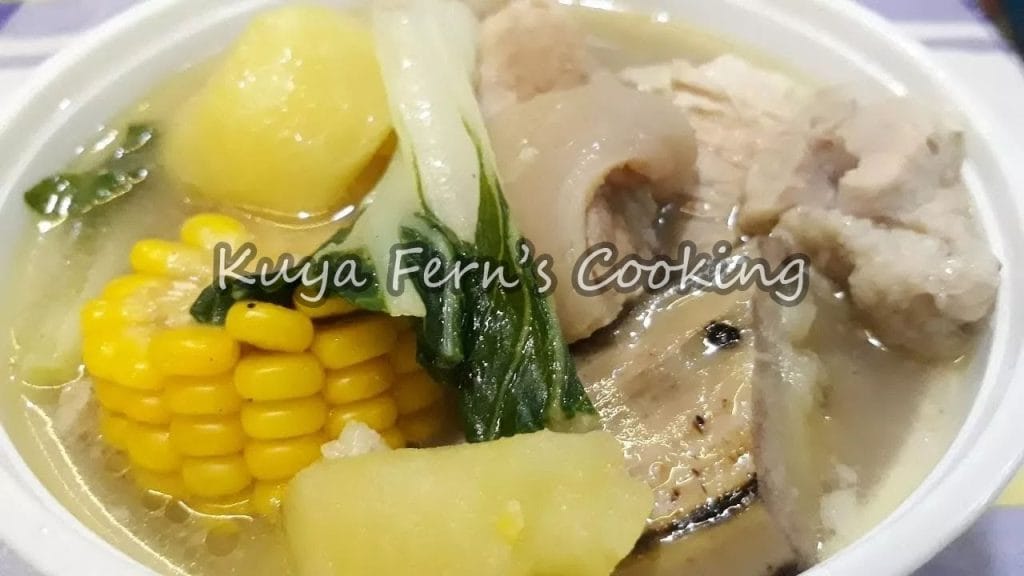
- ✔ 1 kg Pork Liempo or Pork Ribs, chopped into generous chunks
- ✔ 2 liters of filtered water for the perfect, pristine broth
- ✔ 1 large white onion, quartered to release its hidden sweetness
- ✔ 1 tablespoon of whole black peppercorns to provide a gentle, lingering heat
- ✔ 3 large pieces of Saba bananas, sliced diagonally for that distinct starchy richness
- ✔ 2 bundles of Pechay or Bok Choy, washed and trimmed for a vibrant green finish
- ✔ 2 medium potatoes, peeled and quartered to absorb the savory essence
- ✔ 2 tablespoons of premium Patis (fish sauce) for the deep, umami-rich backbone
The Soul of the Filipino Kitchen
To speak of Nilagang Baboy is to speak of the very heartbeat of the Filipino home. It is a dish that transcends mere sustenance, acting as a culinary embrace on a rain-drenched afternoon or a restorative tonic after a long, arduous week. In the kitchens of our heritage, the bubbling sound of a pot of Nilaga is the soundtrack of family, a rhythmic, gentle murmur that promises warmth, safety, and the unmatched comfort of a meal made with patience and love. At Mavhic, we believe that understanding this dish requires more than just following a recipe; it demands an appreciation for the alchemy of simple ingredients transforming into something profound.
Selecting the Perfect Cuts
The journey to the perfect Nilaga begins at the butcher’s block. One must select pork that carries both meat and bone; the bone marrow is the secret key that grants the broth its luxurious, silky mouthfeel. Whether you choose the marbled richness of pork belly or the structural integrity of spare ribs, the selection process is an intimate ritual. As you prepare the meat, visualize the hours of simmering ahead. The quality of your pork dictates the depth of the finished broth, acting as the primary actor in this fragrant, savory play.
The Art of the Clear Broth
The hallmark of a world-class Nilaga is its clarity. Unlike the opaque, heavy stews of other cultures, this dish celebrates transparency. The process of skimming the scum—the protein-rich foam that rises during the initial boil—is a meditative act. It is here that the chef exercises discipline, refusing to rush the process. By keeping the heat consistent and the pot undisturbed, we preserve the purity of the stock. It is a reflection of the Filipino philosophy: beauty often lies in simplicity and the removal of the unnecessary.
Aromatic Foundations
As the onions soften into the broth, they release a sweetness that balances the sharp, punchy bite of the whole black peppercorns. This combination is the DNA of Filipino soup culture. When you add the Patis, do not merely pour it; let the aroma rise, pungent and salty, filling the air with the scent of the sea and the earth. This is the moment the dish truly comes alive, shifting from a collection of raw ingredients into a cohesive, harmonious symphony of flavors that will eventually dance upon the palate.
The Finishing Flourish
Vegetables in Nilaga are not mere garnishes; they are essential components that add texture and nutritional vitality. The Saba bananas provide a touch of sweetness that offsets the savory pork, while the potatoes contribute a starchy, comforting element that thickens the broth just enough to coat the spoon. Finally, the Pechay, added at the very end, brings a crisp, peppery freshness. Served with a steaming mound of white jasmine rice and a side of chili-spiked fish sauce, every bite is a reminder of why Nilaga remains a masterpiece of Mavhic kitchen traditions.
Step-by-Step Cooking Guide
- 1. Begin by gently searing the pork in a large, heavy-bottomed pot until the fat renders and the edges turn a golden, caramelized brown, locking in the essential juices that form the foundation of our Mavhic culinary standard.
- 2. Pour in the fresh water and bring the pot to a vigorous boil, meticulously skimming away the grey impurities that rise to the surface to ensure the final broth remains as clear as a mountain spring, allowing the natural pork flavor to shine through undisturbed.
- 3. Introduce the quartered onions and whole peppercorns into the simmering liquid, allowing the heat to coax out the volatile oils from the spices, transforming the kitchen into a sanctuary of savory, nostalgic scents that define the home-cooked Filipino experience.
- 4. Lower the heat to a whisper, letting the pork braise slowly until the collagen breaks down into a succulent, fork-tender texture, then add the potatoes and Saba bananas, allowing them to soften and infuse the soup with a subtle, velvety thickness.
- 5. Finish the dish by folding in the fresh Pechay at the very last moment, ensuring the leaves maintain their bright, verdant snap, and adjusting the seasoning with the finest Patis, serving it piping hot alongside a side of spicy soy-calamansi dip for the ultimate Mavhic comfort meal.
🛑 Done Reading? Watch the Video Breakdown!
Catch all the practical kitchen tips, taste tests, and full preparation steps for How to Cook Nilagang Baboy.
▶️ Watch the Full How to Cook Nilagang Baboy Recipe Episode →
Frequently Asked Questions
- What is the secret to a clear Nilagang Baboy broth? The secret is to skim the scum meticulously during the first ten minutes of boiling and keep the heat at a gentle simmer rather than a rolling boil.
- Can I use other vegetables in my Nilaga? Yes, while potatoes and Pechay are traditional, many Filipino families add carrots, cabbage, or even sweet corn on the cob for extra sweetness.
- Why do we use Saba bananas in Nilaga? The Saba banana adds a unique, subtle sweetness and a natural starch that gives the broth a slightly thicker, more velvety consistency that elevates the dish.
- How long should I simmer the pork? Ideally, simmer the pork for 60 to 90 minutes or until the meat is fork-tender and beginning to pull away from the bone for the most succulent results.
Original coverage: Watch on YouTube
About The Author