📺 Watch the Full Cooking Video Episode!
Want to see how Mastering the KFC is prepared step-by-step? Watch the full cooking video on our Video Hub to see exact heat controls, timing, and real preparation.
Ingredients (Mga Sangkap)
- ✔ 1/4 cup unsalted butter (The foundation of the roux, providing a silky, luxurious mouthfeel)
- ✔ 1/4 cup all-purpose flour (The thickening agent that creates the perfect viscosity)
- ✔ 2 cups beef or chicken stock (The aromatic base that infuses deep, savory character into the gravy)
- ✔ 1 tablespoon soy sauce (The secret Filipino touch for depth, color, and umami intensity)
- ✔ 1/2 teaspoon garlic powder (To provide that unmistakable, mellow aromatic punch)
- ✔ 1/2 teaspoon onion powder (To add a subtle sweetness and aromatic backbone)
- ✔ Salt and freshly cracked black pepper to taste (The essential adjusters for balancing the flavor profile)
The Art of the Filipino Comfort Gravy
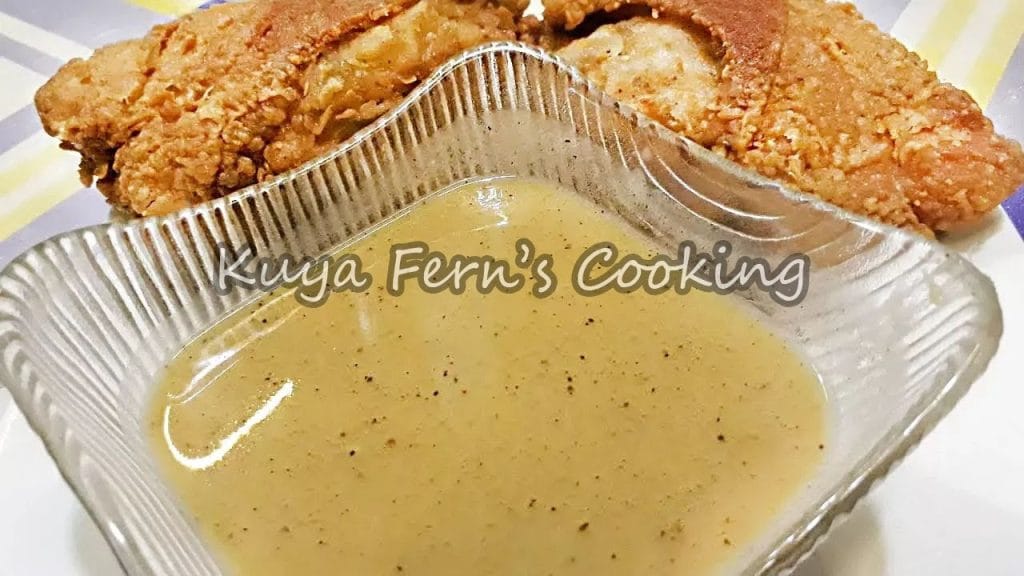
There is a specific, almost magical memory associated with the sound of a plastic ladle hitting the bottom of a gravy boat. For many of us in the Philippines, the KFC-style gravy is not just a condiment; it is a cultural touchstone. It is the liquid gold that turns a simple piece of fried chicken into a feast, and a mound of mashed potatoes into a cloud of joy. As a chef at Mavhic, I have always believed that the most sophisticated dishes are those that evoke the warmest memories of home, and Kuya Fern’s approach to this gravy is a masterclass in simplicity and soul.
The Science of the Perfect Roux
The secret to a gravy that clings perfectly to every crispy breading of fried chicken lies in the roux. By balancing equal parts fat and flour, we create a suspension that is smooth, stable, and incredibly flavorful. Watching the butter melt—slowly, steadily, and with absolute intent—is a meditative process. It is the beginning of a culinary story that prioritizes the texture as much as the taste. When the flour meets the butter, it is a marriage of pantry staples that forms the backbone of professional kitchen standards, brought into the accessible comfort of your own home.
Infusing the Umami Depth
What sets this specific recipe apart is the deliberate use of soy sauce. In the traditional Western sense, gravy might rely solely on pan drippings or stock, but the Filipino palate craves that extra layer of umami complexity. Adding a dash of soy sauce does more than just darken the gravy; it adds a subtle, earthy saltiness that rounds out the sharp notes of the garlic and onion powders. It is this nuanced approach that makes the final product feel like a ‘Lola’s Kitchen’ secret—a dish that has been passed down through generations, refined by experience, and perfected by love.
The Ritual of the Slow Simmer
Cooking is a language, and the slow, rhythmic whisking of the gravy is a conversation with your ingredients. As the stock integrates with the roux, you are witnessing a transformation. The liquid thickens, the steam carries the scent of roasted garlic and savory broth throughout the house, and the anticipation builds. This is the essence of what we do at Mavhic; we believe that every stir, every pinch of seasoning, and every moment spent at the stove contributes to the final experience. Serve this gravy hot, poured generously over your favorite fried chicken, and taste the result of patience, technique, and a deep respect for culinary tradition.
Step-by-Step Cooking Guide
- 1. Begin by melting the unsalted butter in a heavy-bottomed saucepan over medium-low heat. As the golden butter begins to foam and sizzle, it releases a nutty, comforting aroma that immediately transports you back to a bustling kitchen where meals are prepared with love and patience. The key here is to control the heat so the butter does not brown too quickly, maintaining that delicate, creamy starting point for our roux.
- 2. Gradually whisk in the all-purpose flour into the melted butter, ensuring no lumps remain. Continue to stir constantly as the mixture cooks for about two minutes. This stage, known as cooking the ‘raw’ out of the flour, is vital; the mixture will transform into a smooth, bubbling paste that smells faintly of toasted biscuits. This is the heart of the structure, ensuring your gravy will have that signature velvety consistency once the liquids are introduced.
- 3. Slowly pour in the beef or chicken stock, whisking vigorously with a wire whisk to incorporate the liquid into the roux. As the stock hits the hot pan, a cloud of aromatic steam rises, carrying the essence of slow-simmered bones and herbs. Continue to whisk until the mixture becomes uniform, smooth, and begins to thicken, coating the back of your spoon with a glossy, rich sheen that promises deep satisfaction.
- 4. Stir in the soy sauce, garlic powder, and onion powder, allowing the flavors to meld into the thickening liquid. The soy sauce deepens the color to that familiar, inviting mahogany hue associated with classic gravy, while the aromatics bloom in the heat. Finally, season with salt and freshly cracked black pepper, tasting carefully to balance the savory notes until it reaches the perfect, nostalgic flavor profile that defines the comfort food of our childhoods.
🛑 Done Reading? Watch the Video Breakdown!
Catch all the practical kitchen tips, taste tests, and full preparation steps for Mastering the KFC.
Frequently Asked Questions
- What is the best way to prevent lumps in the gravy? Always whisk the stock into the roux slowly and continuously, ensuring the liquid is fully incorporated before adding more.
- Can I use chicken bouillon instead of stock? Yes, you can dissolve high-quality chicken bouillon in hot water to create a very flavorful base that works perfectly for this recipe.
- How long can I store the leftover gravy? You can store the gravy in an airtight container in the refrigerator for up to three days, simply reheat it gently on the stove with a splash of water to restore its consistency.
- Why does my gravy taste too floury? This usually happens if the roux wasn’t cooked long enough; ensure you cook the flour and butter mixture for at least two minutes before adding the liquid.
Original coverage: Watch on YouTube
About The Author