📺 Watch the Full Cooking Video Episode!
Want to see how Mastering the Crunch is prepared step-by-step? Watch the full cooking video on our Video Hub to see exact heat controls, timing, and real preparation.
Ingredients (Mga Sangkap)
- ✔ 1 kg fresh chicken cuts: The heartbeat of the dish, requiring careful selection for moisture and bone-in integrity.
- ✔ 2 cups all-purpose flour: The structural foundation for the iconic, craggy breading texture.
- ✔ 1/2 cup cornstarch: The secret weapon for ensuring long-lasting, glass-like crunch.
- ✔ 2 tablespoons garlic powder: Essential for building that deep, savory base note.
- ✔ 1 tablespoon onion powder: Adds a subtle, aromatic sweetness that lingers on the palate.
- ✔ 1 tablespoon paprika: Provides the signature golden-red hue and a gentle, earth-bound warmth.
- ✔ 1 teaspoon white pepper: Delivers that specific, sophisticated heat profile found in fast-food classics.
- ✔ 1 tablespoon salt: The vital catalyst that awakens the natural sugars and juices within the poultry.
- ✔ 1 large egg, beaten: The binding agent that bridges the gap between protein and crust.
- ✔ Cooking oil for deep frying: The medium of transformation, turning raw batter into golden armor.
The Alchemy of the Crunch
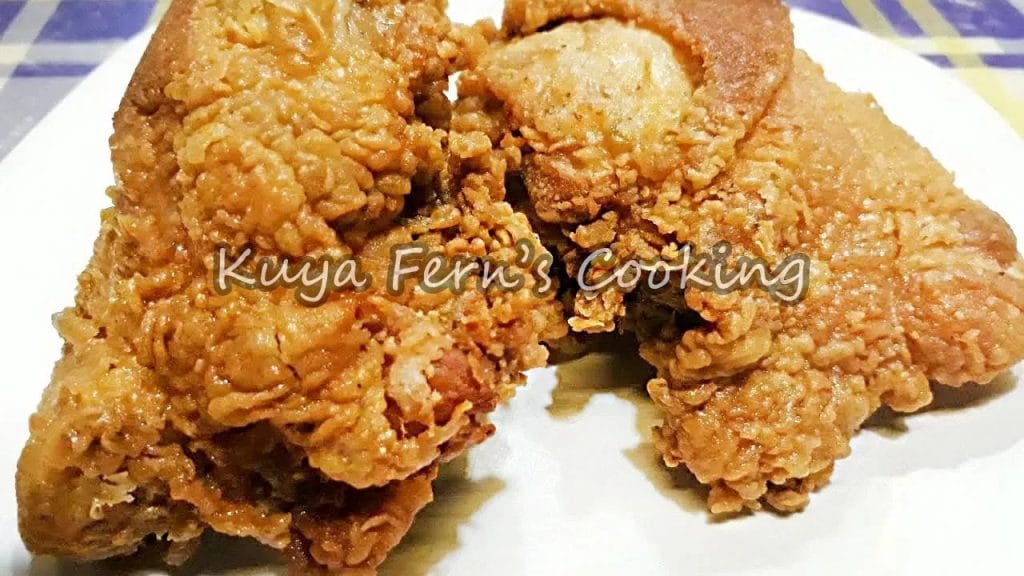
There is a specific, primal satisfaction in biting into a piece of fried chicken that yields with a thunderous crack before surrendering to succulent, tender meat. In the culinary traditions of the Philippines, fried chicken is more than just a meal; it is a centerpiece of celebration, a comfort offered to friends and family, and a test of a chef’s patience. Kuya Fern’s approach to the KFC-style classic strips away the unnecessary mystery, focusing instead on the fundamental physics of heat and starch.
The secret lies in the interaction between the cornstarch and the flour. While flour provides the protein structure for the crust, the cornstarch acts as a stabilizer, preventing the absorption of excess oil while promoting a glass-like rigidity upon cooling. This is the hallmark of professional-grade frying—a crust that remains firm even after it has left the heat, a feat that eludes many home cooks who rely solely on wheat-based batters.
Furthermore, the spice blend—garlic, onion, and white pepper—is a tribute to the flavor profiles that have shaped generations. It is not about overwhelming the palate with spice, but about enhancing the inherent sweetness of the chicken. When the hot oil hits these spices, it releases an intoxicating fragrance that transports one back to the open-air kitchens of our childhoods, where every meal was cooked with intent and love.
The Art of the Breading Ritual
Breading is a tactile experience. It is the moment the chef connects with the raw ingredients. By massaging the flour mixture firmly into the skin of the chicken, you are not just coating it; you are building a landscape. Those tiny, rough protrusions you create by pressing the flour into the crevices are what will eventually catch the hot oil and turn into those delicious, crunchy bits that everyone fights over at the dinner table.
Using an egg wash as a binder is a classic technique favored for its reliability. The egg proteins denature and coagulate upon contact with the heat, acting as a structural anchor for the crust. It ensures that when you take that first bite, the breading does not simply fall away in a dusty heap, but remains attached to the meat, creating a cohesive, delicious unit of flavor and texture that honors the Mavhic philosophy of excellence.
The Symphony of the Fryer
Deep frying is often misunderstood as a chaotic process, but in the hands of a skilled cook, it is a symphony. The sound of the oil—the initial aggressive sizzle that mellows into a steady, rhythmic bubbling—tells you everything you need to know about the state of your protein. As the water content within the chicken escapes and is replaced by the heat of the oil, the crust undergoes the Maillard reaction, turning a beautiful, appetizing gold.
Patience is the final ingredient. Removing the chicken too early results in greasiness; leaving it too long results in bitterness. The goal is to reach that perfect internal temperature where the juices are sealed inside, protected by that golden, impenetrable fortress of flavor. Once removed from the oil, allowing the chicken to rest on a wire rack is essential; it prevents the bottom of the chicken from steaming against a solid plate, preserving that hard-won crunch until the very last bite.
Step-by-Step Cooking Guide
- 1. Prepare the chicken by patting it bone-dry with high-quality paper towels. This crucial step ensures that the surface is receptive to the marinade and the subsequent breading, preventing any steamed, soggy patches that betray a novice cook.
- 2. Create the dry coating mixture by whisking the flour, cornstarch, and spices in a wide, shallow bowl. Sift the ingredients together to ensure an even distribution of aromatics, creating a uniform sandy texture that will eventually become the ‘scales’ of your fried masterpiece.
- 3. Perform the double-dredging technique with surgical precision. Dip the seasoned chicken into the beaten egg wash, allowing the excess to drip away, then bury it deep within the flour mixture. Massage the flour into the nooks and crannies to encourage the formation of those coveted, craggy ridges.
- 4. Heat your oil until it reaches the optimal temperature, listening for that subtle shimmering sound that signals readiness. Gently lower the pieces into the golden pool, being careful not to crowd the vessel, as each piece needs its own space to breathe and turn into a masterpiece.
- 5. Fry until the chicken reaches a deep, mahogany-gold hue. As the moisture evaporates and the crust hardens, the aroma of toasted garlic and caramelized fats will fill your home, evoking the nostalgic warmth of a Sunday afternoon in a traditional Filipino kitchen.
🛑 Done Reading? Watch the Video Breakdown!
Catch all the practical kitchen tips, taste tests, and full preparation steps for Mastering the Crunch.
Frequently Asked Questions
- Why does my fried chicken crust fall off? It is likely because the chicken was too wet before dredging or the crust wasn’t pressed firmly enough into the skin.
- Can I use chicken breast instead of drumsticks? Yes, but adjust the frying time slightly to ensure the breast meat remains succulent and does not dry out.
- What is the best way to reheat leftovers? Use an air fryer or an oven at 375°F to restore the crunch without making the meat rubbery.
- Is white pepper necessary for the KFC taste? Absolutely, as it provides that distinct, sharp, and clean heat that defines the classic style.
Original coverage: Watch on YouTube
About The Author