📺 Watch the Full Cooking Video Episode!
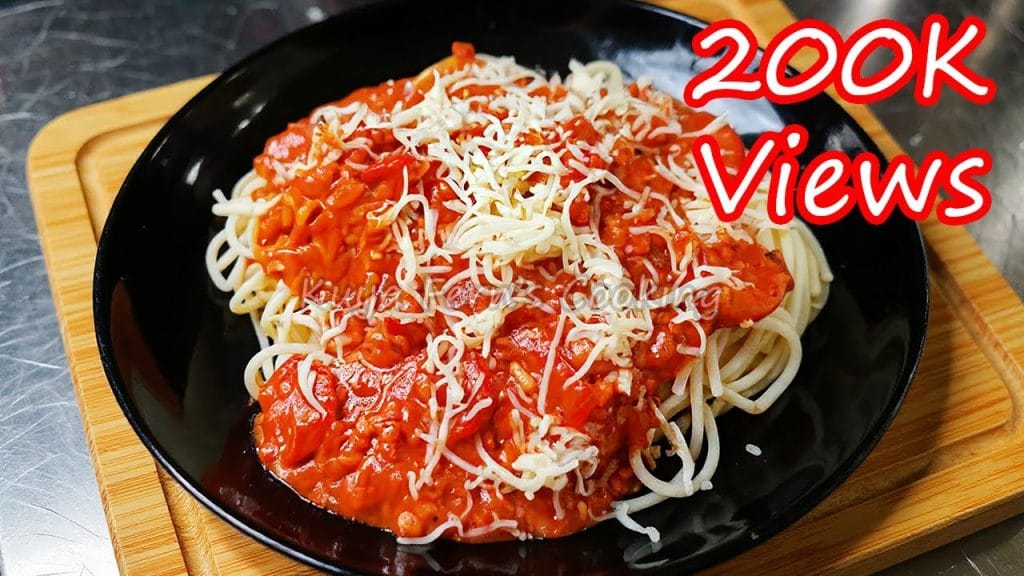
Want to see how the Easiest Simple Cheesy Pinoy Style Spaghetti That Is Better Than Take Out is prepared step-by-step? Watch the full cooking video on our Video Hub to see exact heat controls, timing, and real preparation.
Ingredients (Mga Sangkap)
- ✔ 500g spaghetti pasta, cooked al dente to retain a firm bite that holds the rich, velvet sauce.
- ✔ 500g ground pork or beef, chosen for its fat-to-meat ratio which ensures a succulent, flavorful base.
- ✔ 8 pieces of red Filipino-style hotdogs, sliced diagonally to provide that nostalgic, salty snap in every forkful.
- ✔ 1kg Filipino-style sweet spaghetti sauce, the quintessential heart of the dish that provides the signature vibrant hue and sugary tang.
- ✔ 200g quick-melt cheese, grated generously to create a creamy, emulsified finish that blankets the pasta in pure comfort.
- ✔ 3 cloves of garlic, minced until fragrant, serving as the aromatic foundation that awakens the kitchen with savory promise.
- ✔ 1 medium red onion, diced finely to add a subtle, sweet complexity that balances the acidity of the tomatoes.
- ✔ 2 tablespoons of neutral vegetable oil, the silent conductor that allows the aromatics to bloom without overpowering the delicate sweetness of the sauce.
The Nostalgia of the Filipino Kitchen
There is a singular, golden memory etched into the minds of every Filipino child: the sight of a vibrant red platter of spaghetti gracing the table during a fiesta or a simple Sunday afternoon. It is a dish that defies the traditional Italian rules of pasta, opting instead for a profile that is unapologetically sweet, savory, and deeply comforting. At Mavhic, we believe that the secret to the best spaghetti is not just in the ingredients, but in the intention behind the stirring. When you craft this dish, you are honoring a legacy of communal joy, where the aroma of garlic and sweet tomato sauce serves as a beacon for loved ones to gather around the table.
The Art of the Base
The foundation of any great Pinoy-style spaghetti begins with the aromatics. As the garlic hits the hot oil, it releases a sharp, enticing perfume that signals the start of something special. We prioritize the use of high-quality ground meat, ensuring that every bite carries a meaty substance that balances the sweetness of the sauce. The addition of red hotdogs—a staple in every Filipino household—is not merely for nostalgia; it provides a unique, salt-cured snap that cuts through the rich, syrupy tomato base, creating a perfect equilibrium of flavors that takeout simply cannot replicate.
The Sweet and Savory Symphony
What sets this spaghetti apart is the sauce. Unlike the sharp, acidic tomato sauces of the West, the Pinoy-style variety relies on the sweetness of banana ketchup and brown sugar to create a velvety, deep-red glaze. This sauce acts as a warm embrace for the pasta, coating it in a thick, flavorful layer that lingers on the palate. By allowing the sauce to simmer slowly on the stove, you are allowing the flavors to meld and mature, ensuring that the final dish is as vibrant in taste as it is in color.
The Final Flourish
The crowning glory of this dish is undoubtedly the cheese. While some might reach for Parmesan, the true Mavhic way is to use a high-quality quick-melt cheese. When grated and added to the hot pasta, it does not just sit on top; it melts into the sauce, creating a creamy, emulsified texture that binds the meat and pasta together. It is this final step that transforms a simple meal into a masterpiece, leaving your kitchen smelling like a home that has been filled with love for generations.
Step-by-Step Cooking Guide
- 1. Begin by heating your pan over a medium flame, pouring in the oil until it dances across the surface. Add the minced garlic and diced onions, allowing them to sweat until they become translucent and fragrant, filling the air with the unmistakable scent of a Mavhic kitchen. This foundational step is crucial for building the depth of flavor that defines authentic Filipino comfort food.
- 2. Introduce the ground meat to the pan, stirring with a wooden spoon to break it apart until it reaches a beautiful, deep brown sear. The sizzle of the meat against the hot metal is the sound of heritage in the making. Once browned, add the sliced hotdogs, letting them fry slightly in the rendered fat to enhance their smoky profile before the sauce is introduced.
- 3. Pour in the sweet Filipino-style spaghetti sauce, allowing it to simmer gently over a low flame. As the bubbles rise, the sweetness of the banana ketchup base marries with the savory juices of the meat, creating a thick, glossy, and indulgent nectar. This slow simmer is where the magic happens, ensuring the sauce is robust enough to cling to every single strand of pasta.
- 4. Toss the al dente pasta into the sauce, using tongs to coat every strand until the vibrant red hue is uniform. Finally, sprinkle the quick-melt cheese over the top while the pasta is still steaming hot. Cover the pot for a fleeting moment, allowing the residual heat to transform the cheese into a luscious, gooey layer that defines the quintessential Pinoy Spaghetti experience.
🛑 Done Reading? Watch the Video Breakdown!
Catch all the practical kitchen tips, taste tests, and full preparation steps for the Easiest Simple Cheesy Pinoy Style Spaghetti That Is Better Than Take Out.
Frequently Asked Questions
- Why is Pinoy-style spaghetti sweet? The sweetness is a hallmark of the Filipino palate, derived from the use of banana ketchup and sugar, which were historically used to adapt tomato-based recipes to local preferences.
- Can I use regular hotdogs instead of Filipino red ones? While you can, the red Filipino hotdogs have a distinctively sweet, savory, and smoky flavor profile that is essential to achieving that authentic ‘Pinoy’ taste.
- What is the best cheese to use? Quick-melt cheese is highly recommended because it emulsifies into the sauce, providing a creamy texture that traditional hard cheeses like Parmesan cannot replicate.
- How can I prevent the pasta from getting mushy? Cook the pasta strictly al dente, as it will continue to absorb moisture and soften once it is tossed into the warm, rich spaghetti sauce.
Original coverage: Watch on YouTube
About The Author