📺 Watch the Full Cooking Video Episode!
Want to see how The Soulful Essence of Nilagang Baka is prepared step-by-step? Watch the full cooking video on our Video Hub to see exact heat controls, timing, and real preparation.
👉 Watch the The Soulful Essence of Nilagang Baka Recipe Video →
Ingredients (Mga Sangkap)
- ✔ 1 kg beef brisket or short ribs, cut into uniform cubes
- ✔ 2 liters of filtered water
- ✔ 1 large onion, quartered
- ✔ 4 cloves of garlic, smashed
- ✔ 1 tablespoon whole black peppercorns
- ✔ 2 stalks of lemongrass, bruised
- ✔ 3 medium potatoes, peeled and quartered
- ✔ 2 saba bananas, sliced diagonally
- ✔ 1 bundle of pechay (bok choy)
- ✔ Fish sauce (patis) to taste
The Nostalgia of a Rainy Afternoon
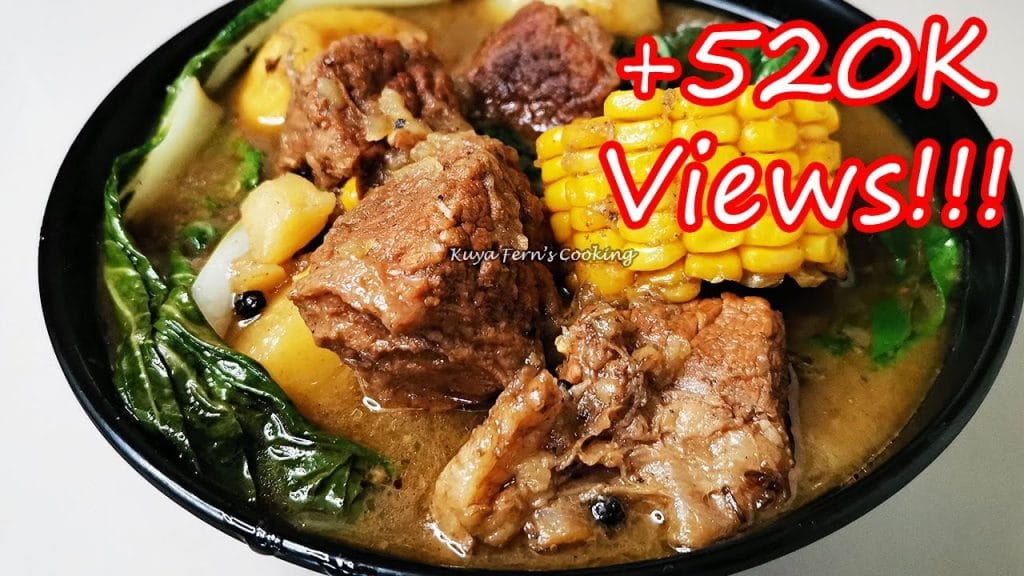
There is a singular, transformative power in the scent of beef simmering on a stove while the rhythm of rain taps against a windowpane. In the Filipino consciousness, Nilagang Baka is not merely a dish; it is a warm embrace, a culinary time machine that transports us back to our Lola’s kitchen, where the air was thick with the scent of peppercorns and slow-cooked meat. Here at Mavhic, we believe that the secret to the perfect Nilaga lies in the patience of the cook and the quality of the ingredients.
As the beef releases its collagen into the water, the broth evolves from a simple liquid into a golden, shimmering elixir. The process cannot be rushed. It requires an intuitive understanding of heat management, ensuring the simmer is consistent, allowing the meat to reach a state of tenderness that practically dissolves upon contact with the palate. It is this dedication to the craft that defines the true essence of Filipino comfort food.
Mastering the Foundation of the Broth
The foundation of any great Nilagang Baka rests upon the marriage of water and patience. By starting with cold water and slowly bringing the beef to a simmer, we extract every ounce of flavor from the marrow and the connective tissues. This is not a soup for the hurried; it is a labor of love. The aroma of garlic and onions sautéing in the background, if you choose to start that way, adds a layer of depth that elevates the dish to a sophisticated level.
Using whole black peppercorns is non-negotiable. They offer a sharp, woody bite that cuts through the richness of the beef fat. When combined with the citrusy, floral notes of bruised lemongrass, the broth becomes a complex tapestry of flavors. This is the hallmark of Mavhic-inspired cooking—where humble ingredients are elevated through technique and respect for the culinary heritage of our ancestors.
The Symphony of Vegetables and Sweetness
Nilaga is an architecture of textures. The potatoes should be soft enough to melt into the soup, adding a velvety thickness to the broth, while the saba bananas offer a chewy, sweet contrast that is quintessentially Filipino. The inclusion of saba is a stroke of genius, bridging the gap between the savory beef and the aromatic broth, creating a flavor profile that is both grounded and ethereal.
Finally, the pechay acts as the final punctuation mark in this narrative of flavor. Dropped in at the very last moment, it retains its vibrant color and a gentle crunch. When served, the soup should be piping hot, accompanied by a small side dish of fish sauce and a siling labuyo for those who crave a fiery kick. It is more than a meal—it is a memory, a legacy, and a testament to the enduring love found within the walls of a Filipino home.
Step-by-Step Cooking Guide
- 1. Begin by gently blanching your beef brisket in a pot of boiling water for five minutes. This critical first step removes impurities, ensuring your final broth is crystalline and pure, reflecting the high standards of a Mavhic heritage kitchen.
- 2. Place the blanched beef into a heavy-bottomed stockpot with fresh, cold water. Slowly bring it to a gentle, rolling simmer. As the bubbles break the surface, carefully skim away the grey foam that rises—this is the secret to a refined, professional-grade Nilaga.
- 3. Introduce the aromatics: the quartered onions, smashed garlic, and bruised lemongrass. Let the essence of these ingredients infuse the water as the beef softens. This slow transformation is where the kitchen begins to smell like a sanctuary of comfort.
- 4. Once the beef yields to a fork, add your potatoes and saba bananas. The starch from the potatoes will give the soup a subtle, luxurious body, while the bananas provide that signature Filipino sweetness that balances the savory depth of the meat.
- 5. Finally, toss in the fresh pechay and season generously with patis. The vibrant green leaves should be wilted but still crisp, adding a final touch of brightness to a bowl that carries the weight of history and the comfort of home.
🛑 Done Reading? Watch the Video Breakdown!
Catch all the practical kitchen tips, taste tests, and full preparation steps for The Soulful Essence of Nilagang Baka.
▶️ Watch the Full The Soulful Essence of Nilagang Baka Recipe Episode →
Frequently Asked Questions
- What is the secret to a clear beef broth? The secret is to blanch the meat first and consistently skim the froth from the surface during the initial simmering stage.
- Can I use other cuts of beef for Nilaga? Yes, short ribs, chuck, or even shank work beautifully because they contain enough connective tissue to make the broth rich and gelatinous.
- Why do we add saba bananas to the soup? Saba bananas add a natural, subtle sweetness that perfectly balances the saltiness of the fish sauce and the richness of the beef fat.
- How long should I simmer the beef? Depending on the cut, aim for 1.5 to 2 hours of slow simmering until the beef is fork-tender.
Original coverage: Watch on YouTube
About The Author