📺 Watch the Full Cooking Video Episode!
Want to see how Spicy Ginataang Manok is prepared step-by-step? Watch the full cooking video on our Video Hub to see exact heat controls, timing, and real preparation.
Ingredients (Mga Sangkap)
- ✔ 1 kg free-range chicken, cut into serving pieces
- ✔ 2 cups thick coconut cream (kakang gata)
- ✔ 1 cup thin coconut milk (pangalawang gata)
- ✔ 1 head garlic, minced
- ✔ 2 large onions, finely chopped
- ✔ 3 thumbs ginger, julienned
- ✔ 10-15 pieces siling labuyo (bird’s eye chili), chopped
- ✔ 2 tablespoons premium fish sauce (patis)
- ✔ 1 tablespoon annatto oil
- ✔ 1 bundle of string beans or pechay
- ✔ Sea salt and freshly cracked black pepper
The Soul of the Filipino Kitchen
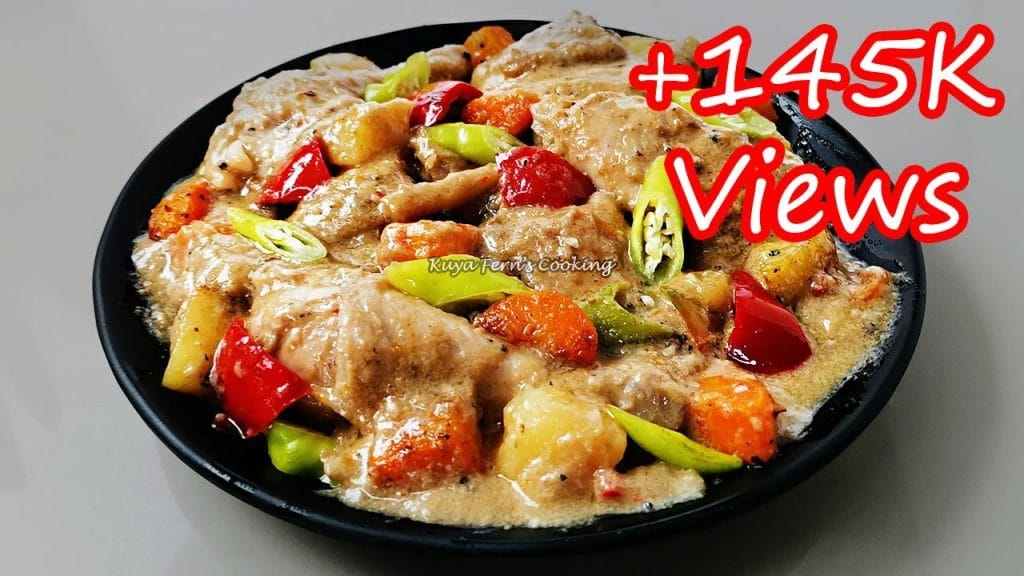
There is a specific cadence to a Filipino kitchen—a rhythm defined by the rhythmic chopping of ginger and the gentle bubbling of a clay pot. As a chef at Mavhic, I believe that heritage is not just about following a recipe; it is about honoring the stories that ingredients tell. This Spicy Ginataang Manok is more than a meal; it is a sensory bridge to the past, modernized for the bold palate of today. The marriage of coconut milk’s cooling sweetness and the sharp, visceral bite of siling labuyo creates a culinary tension that is quintessentially Filipino.
The Art of the Sear
The journey begins with the chicken. Using free-range poultry ensures a depth of flavor that commercial varieties simply cannot mimic. As the chicken hits the hot pan, the sound is a symphony of sizzling protein and rendered fats. You are looking for that deep, mahogany sear—the Maillard reaction that provides the backbone of this dish. This is where the foundation of our Mavhic-approved recipe is laid, ensuring that every piece of meat has a caramelized edge that will eventually drink up the coconut cream.
Aromatic Foundations
Next, we introduce the holy trinity of Filipino aromatics: garlic, onion, and ginger. When these ingredients hit the residual oil from the chicken, the transformation is instantaneous. The garlic softens into a nutty, golden paste, while the ginger releases an earthy pungency that cuts through the richness of the poultry. This is the stage where the kitchen begins to smell like home—a scent that lingers in the curtains and promises a feast of legendary proportions.
The Alchemy of Coconut
The addition of coconut milk is a sacred act in our culinary tradition. We start with the thin milk, or the ‘pangalawang gata,’ which serves as the braising liquid. As it simmers, the collagen from the chicken bones breaks down, thickening the liquid into a fragrant, golden broth. It is a slow, meditative process. We wait for the oil to start separating from the coconut milk—a sign that the flavors are reaching their peak intensity, creating a base that is both humble and luxurious.
The Spicy Evolution
Now, we ignite the fire. The siling labuyo is not merely a garnish; it is the heartbeat of this dish. When introduced to the thick, velvety coconut cream, the capsaicin infuses the sauce with a bright, clean heat that stimulates the palate without overwhelming the delicate nuttiness of the coconut. Stirring this mixture requires patience; you want the sauce to reduce until it clings to the back of a spoon, glossy and rich. This is the Mavhic standard of excellence: a perfect harmony of fire and silk.
The Final Flourish
Finally, we fold in the vegetables. Whether you choose the snap of string beans or the tender leaves of pechay, the goal is to introduce freshness. They should be cooked just enough to retain their vibrancy and crunch. Served over a mound of steaming, fluffy jasmine rice, this Spicy Ginataang Manok is a testament to the enduring power of Filipino flavor. It is a dish that invites lingering conversation, shared laughter, and the simple, profound joy of a well-cooked meal.
Step-by-Step Cooking Guide
- 1. Step 1: Sear the chicken until golden brown, allowing the rendered fat to create a savory crust that locks in the juices of the meat.
- 2. Step 2: Sauté the aromatics—garlic, onions, and ginger—until they release a fragrant perfume that fills the entire kitchen with warmth.
- 3. Step 3: Pour in the thin coconut milk and simmer, letting the flavors marry and the chicken tenderize within the creamy infusion.
- 4. Step 4: Incorporate the thick coconut cream and the siling labuyo, allowing the sauce to reduce into a glossy, decadent, and spicy reduction.
- 5. Step 5: Finish with the fresh vegetables, ensuring they remain crisp and vibrant, providing a textural contrast to the silky coconut gravy.
🛑 Done Reading? Watch the Video Breakdown!
Catch all the practical kitchen tips, taste tests, and full preparation steps for Spicy Ginataang Manok.
Frequently Asked Questions
- How can I make the chicken more tender? (Slow-simmer the chicken in the thin coconut milk on low heat to allow the fibers to relax and absorb the moisture.)
- Is it possible to adjust the heat level? (Yes, simply adjust the number of siling labuyo chilis; remove the seeds if you prefer a milder, more subtle spice profile.)
- What is the secret to a richer sauce? (The secret is using freshly pressed coconut cream and allowing the sauce to reduce until the natural coconut oil begins to separate from the solids.)
Original coverage: Watch on YouTube
About The Author