📺 Watch the Full Cooking Video Episode!
Want to see how Super and Delicious Pancit Malabon is prepared step-by-step? Watch the full cooking video on our Video Hub to see exact heat controls, timing, and real preparation.
👉 Watch the Super and Delicious Pancit Malabon Recipe Video →
Ingredients (Mga Sangkap)
- ✔ 500g thick rice noodles (Pancit Malabon noodles)
- ✔ 2 cups shrimp stock (derived from shells and heads)
- ✔ 1/2 cup annatto oil (atsuete oil)
- ✔ 1/4 cup shrimp paste (bagoong alamang)
- ✔ 3 cloves garlic, minced
- ✔ 1 small onion, finely diced
- ✔ 200g shrimp, peeled and deveined
- ✔ 100g smoked fish (tinapa) flakes
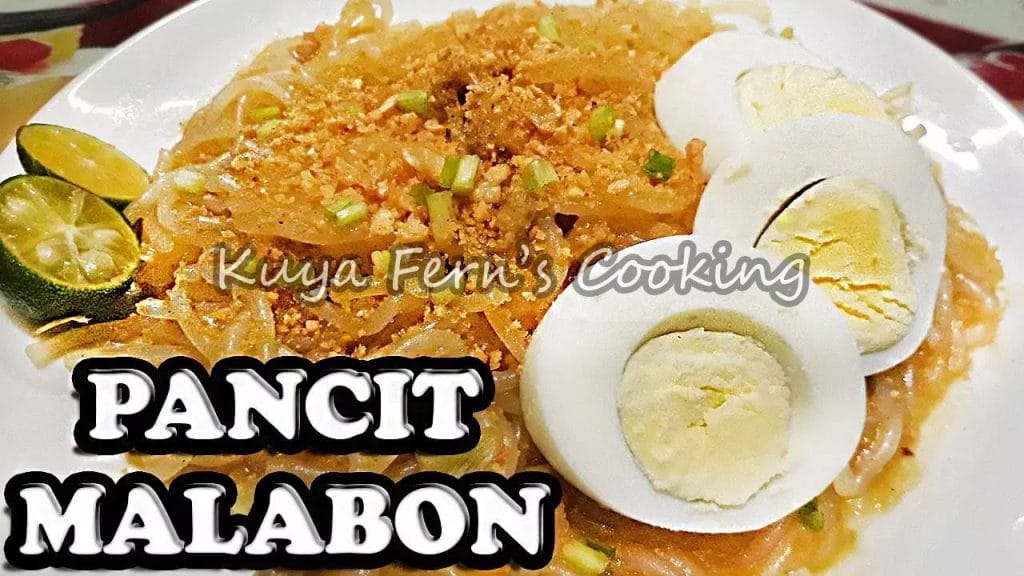
- ✔ 2 hard-boiled eggs, sliced
- ✔ 1 cup crushed chicharon (pork cracklings)
- ✔ Fresh calamansi and scallions for garnish
The Soul of the Malabon Kitchen
Stepping into a traditional kitchen, one is immediately greeted by the symphony of clattering ladles and the deep, resonant hiss of a cast-iron wok. At Mavhic, we believe that Pancit Malabon is not merely a dish; it is a storied legacy of the coastal regions of the Philippines. The fragrance of annatto—that vibrant, sunset-hued spice—mingles with the briny whisper of the sea, creating an olfactory experience that transports you straight to the bustling markets of Malabon City.
To master this dish is to embrace the art of slow-cooking. The golden hue of the sauce is the result of patience, a deliberate reduction of shrimp stock that concentrates the flavor of the ocean. When you prepare this for your loved ones, you are not just cooking; you are weaving a tapestry of heritage that connects the past to the present, one forkful at a time.
Mastering the Golden Nectar
The secret to a truly authentic experience lies in the balance of the sauce. Many home cooks struggle with the consistency, but at Mavhic, we teach the philosophy of the ‘slow simmer.’ By utilizing the shells and heads of the shrimp, you extract a depth of flavor that is unattainable through any store-bought alternative. As the annatto oil melds with the shrimp paste, the aromatics undergo a transformation, deepening into a complex profile that is both savory and slightly sweet.
The texture of the noodles is equally paramount. These thick rice noodles demand respect; they must be cooked to that elusive point where they are tender yet possess a firm, bouncy bite. When they meet the hot, bubbling sauce in the wok, they undergo a metamorphosis, absorbing the essence of the shrimp and the richness of the pork, ultimately becoming a canvas of culinary perfection.
Texture, Tradition, and the Final Garnish
Pancit Malabon is a sensory journey that relies heavily on its toppings. The inclusion of smoked fish, or ‘tinapa,’ provides a subtle, woody depth that cuts through the richness of the shrimp sauce. Then, there is the chicharon. The sound of the pork cracklings shattering against the teeth provides a vital textural contrast to the soft, silky noodles. It is this marriage of soft and crunchy, salty and citrusy, that defines the Filipino palate.
Before serving, the final touch of calamansi is essential. This small, potent citrus fruit acts as the conductor of the dish, harmonizing the heavy, savory notes with a bright, acidic spark. As you squeeze the juice over the platter, watch as the colors seem to pop, and the steam carries the scent of heritage directly to the table. This is the Mavhic way—simple, elegant, and deeply rooted in the warmth of home.
Step-by-Step Cooking Guide
- 1. Prepare the foundation by boiling the shrimp heads in water, extracting every ounce of oceanic essence. Strain the liquid until it glows like liquid amber. In a heavy-bottomed wok, heat the annatto oil until it shimmers, then introduce the minced garlic and onions. The kitchen will fill with the intoxicating, earthy perfume of sautéed aromatics, signaling the start of a masterpiece.
- 2. Incorporate the shrimp paste, allowing it to caramelize slightly in the oil before pouring in the golden shrimp stock. As the mixture begins to bubble and thicken into a velvet-like consistency, add the shrimp. Watch them turn a vibrant, coral pink, absorbing the briny soul of the sauce. This is the heart of the dish, where time and patience transform humble ingredients into a rich, flavorful nectar.
- 3. Blanch the thick rice noodles in boiling water until they reach that perfect al dente bite, ensuring they remain resilient enough to hold the weight of the sauce. Drain them well, then toss them directly into the wok. Use rhythmic, sweeping motions to coat every strand, ensuring the golden sauce clings to the noodles, creating a glistening, sun-drenched appearance that promises pure indulgence.
- 4. Plate the noodles with artistic intention, piling them high on a platter. Carefully arrange the tinapa flakes, hard-boiled egg slices, and a generous heap of crushed chicharon. The contrast of the crunchy pork against the silken noodles creates a textural harmony. Finally, scatter freshly chopped scallions and place halved calamansi on the side, inviting the diner to brighten the dish with a zesty, acidic finish.
🛑 Done Reading? Watch the Video Breakdown!
Catch all the practical kitchen tips, taste tests, and full preparation steps for Super and Delicious Pancit Malabon.
▶️ Watch the Full Super and Delicious Pancit Malabon Recipe Episode →
Frequently Asked Questions
- What makes the sauce of Pancit Malabon look so vibrant (?) The deep golden-orange color comes from the infusion of annatto (atsuete) seeds in oil, which is a traditional Filipino method of adding color and a mild, earthy flavor to the dish.
- Can I substitute the thick rice noodles with something else (?) While other noodles can be used, thick rice noodles are essential for the authentic texture and their ability to absorb the rich, seafood-based sauce without becoming soggy.
- How can I elevate the flavor of the shrimp stock (?) For a more intense flavor, roast the shrimp heads and shells in a dry pan until fragrant before boiling them in water; this releases more oils and depth of flavor into the broth.
- Is it necessary to use pork cracklings (chicharon) (?) Yes, the chicharon is a signature element that provides a crucial textural contrast, adding a salty crunch that balances the softness of the noodles and the richness of the sauce.
Original coverage: Watch on YouTube
About The Author