📺 Watch the Full Cooking Video Episode!
Want to see how The Ultimate Filipino Chicken Adobo is prepared step-by-step? Watch the full cooking video on our Video Hub to see exact heat controls, timing, and real preparation.
👉 Watch the The Ultimate Filipino Chicken Adobo Recipe Video →
Ingredients (Mga Sangkap)
- ✔ 2 pounds chicken thighs and drumsticks, bone-in and skin-on for maximum depth of flavor
- ✔ 1 cup high-quality soy sauce, providing the dark, salty foundation of the braise
- ✔ 1/2 cup cane vinegar, essential for the bright acidity that cuts through the richness
- ✔ 8 cloves of fresh garlic, smashed and peeled to release their pungent, aromatic oils
- ✔ 2 tablespoons whole black peppercorns, providing a gentle, earthy heat
- ✔ 4 dried bay leaves, imparting a subtle, floral, and woody undertone to the sauce
- ✔ 1 tablespoon dark brown sugar, to mellow the vinegar and create a glossy, caramelized finish
- ✔ 2 tablespoons neutral cooking oil for the initial searing process
The Symphony of the Filipino Hearth
To enter a kitchen where Adobo is simmering is to walk into the very heart of Filipino heritage. It is a scent that transcends mere nourishment; it is the smell of home, a heady, intoxicating perfume of garlic, soy, and vinegar that lingers in the curtains and settles into the soul. At Mavhic, we believe that cooking is an act of love, and Adobo is perhaps our most profound expression of that sentiment.
The beauty of this dish lies in its simplicity, yet it demands a respect for the ingredients that only a true heritage chef understands. When you first smash those cloves of garlic, you are waking up an ancient tradition. The oils release a pungent, earthy fragrance that promises something extraordinary is about to happen in your pan.
The Art of the Sear
The secret to the best Chicken Adobo isn’t just the braise; it is the structural integrity of the meat. By searing the chicken skin-side down in a hot pan, we create a caramelized crust that traps the juices inside. This is the moment where culinary science meets ancestral wisdom. The sizzle is the sound of flavor being locked into the fibers of the chicken.
As the skin turns to a deep, burnished bronze, the kitchen fills with the scent of rendering fat. This is where you build the base of your sauce. The garlic, now golden and soft, mingles with the drippings to create a foundation of flavor that is both robust and sophisticated. It is a sensory journey that rewards the patient cook.
The Alchemy of the Braise
When the vinegar and soy sauce hit the pan, it creates a cloud of steam that is sharp, acidic, and utterly divine. Do not be tempted to stir. Let the vinegar ‘bloom.’ This process removes the harsh raw edge of the acidity, transforming it into a mellow, bright, and tangy liquid that will eventually form the soul of your final glaze. This is the hallmark of a Mavhic recipe—balance, harmony, and depth.
The bay leaves add the final layer of complexity. They provide a structural, woody note that prevents the dish from being one-dimensional. As the pot simmers, the house becomes a sanctuary. The chicken absorbs the brine, becoming tender and infused with the essence of the aromatics. It is a slow, rhythmic transformation that turns humble ingredients into a dish fit for a family feast.
The Final Reduction
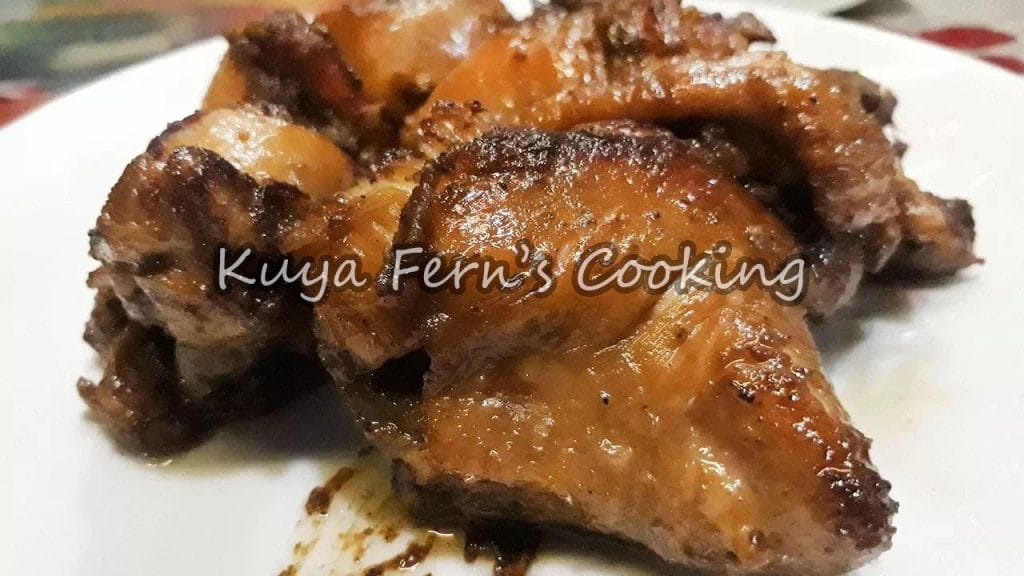
The final act of this culinary performance is the reduction. By removing the lid and letting the liquid evaporate, you are concentrating the sugars and the salts into a rich, glossy lacquer. This is what we call ‘the magic of the finish.’ The sauce should be thick enough to coat the back of a spoon and dark enough to reflect the light, clinging to the chicken pieces like a savory robe.
Serve this atop a mound of jasmine rice, the grains thirsty for the acidic, savory sauce. As you take that first bite, you will understand why Adobo is the heartbeat of the Philippines. It is a dish of endurance, of history, and of pure, unadulterated comfort. From the Mavhic family to yours, may this recipe bring warmth to your table and stories to your kitchen.
Step-by-Step Cooking Guide
- 1. Begin by marinating the chicken in a bath of soy sauce, crushed garlic, and black peppercorns. Let the proteins rest in the refrigerator for at least two hours; this patience is the secret to a deeper, more profound flavor profile that permeates the bone.
- 2. Heat the oil in a heavy-bottomed pan until it ripples with anticipation. Place the chicken skin-side down, listening for the aggressive, beautiful sizzle that signifies the Maillard reaction. Sear until the skin achieves a deep, golden mahogany hue.
- 3. Pour the remaining marinade into the pan, adding the cane vinegar. Resist the urge to stir immediately; allow the vinegar to mellow out its sharpness through the steam, creating a complex, aromatic environment that defines the soul of Mavhic kitchen traditions.
- 4. Add the bay leaves and brown sugar, then reduce the heat to a gentle simmer. Cover the pot and let the chicken braise until the meat is succulent, tender, and threatening to fall away from the bone with the slightest touch of a fork.
- 5. Finally, remove the lid and increase the heat to reduce the sauce into a thick, syrupy glaze. Coat each piece of chicken thoroughly, ensuring the reduction clings to the skin like velvet before serving over a mountain of steaming jasmine rice.
🛑 Done Reading? Watch the Video Breakdown!
Catch all the practical kitchen tips, taste tests, and full preparation steps for The Ultimate Filipino Chicken Adobo.
▶️ Watch the Full The Ultimate Filipino Chicken Adobo Recipe Episode →
Frequently Asked Questions
- What is the secret to a great Adobo? The secret is the balance of the vinegar and soy sauce, and the patience to let the sauce reduce into a thick, flavorful glaze.
- Can I use chicken breast instead of thighs? While you can, bone-in, skin-on thighs provide a much deeper flavor and remain succulent during the braising process.
- Why should I marinate the chicken? Marinating allows the salt and garlic aromatics to penetrate the meat, ensuring that the flavor is not just on the surface but inside every fiber.
- How long can I store leftover Adobo? Adobo is famous for tasting even better the next day; store it in an airtight container for up to three days in the refrigerator.
Original coverage: Watch on YouTube
About The Author