📺 Watch the Full Cooking Video Episode!
Want to see how The Art of Creamy Jelly Maja A Masterclass in Filipino Heritage Desserts is prepared step-by-step? Watch the full cooking video on our Video Hub to see exact heat controls, timing, and real preparation.
👉 Watch the The Art of Creamy Jelly Maja A Masterclass in Filipino Heritage Desserts Recipe Video →
🛑 Done Reading? Watch the Video Breakdown!
Catch all the practical kitchen tips, taste tests, and full preparation steps for The Art of Creamy Jelly Maja A Masterclass in Filipino Heritage Desserts.
Ingredients Needed
- 2 cans (400ml each) full-fat coconut milk
- 1 cup fresh or canned sweet corn kernels, drained
- 3/4 cup cornstarch
- 3/4 cup granulated white sugar
- 1 cup evaporated milk
- 1/2 teaspoon vanilla extract
- Optional: 1/2 cup toasted coconut flakes (latik) for topping
Origin & Culinary Story
Maja Blanca finds its roots in the Spanish colonial period, evolving from the Spanish ‘manjar blanco’ (white delicacy). While the original Spanish version was often a chicken-based pudding, the Filipino adaptation ingeniously utilized the abundance of local coconut milk and corn, transforming it into the iconic ‘Maja’ loved in fiestas and family gatherings across the archipelago.
The Culinary Experience
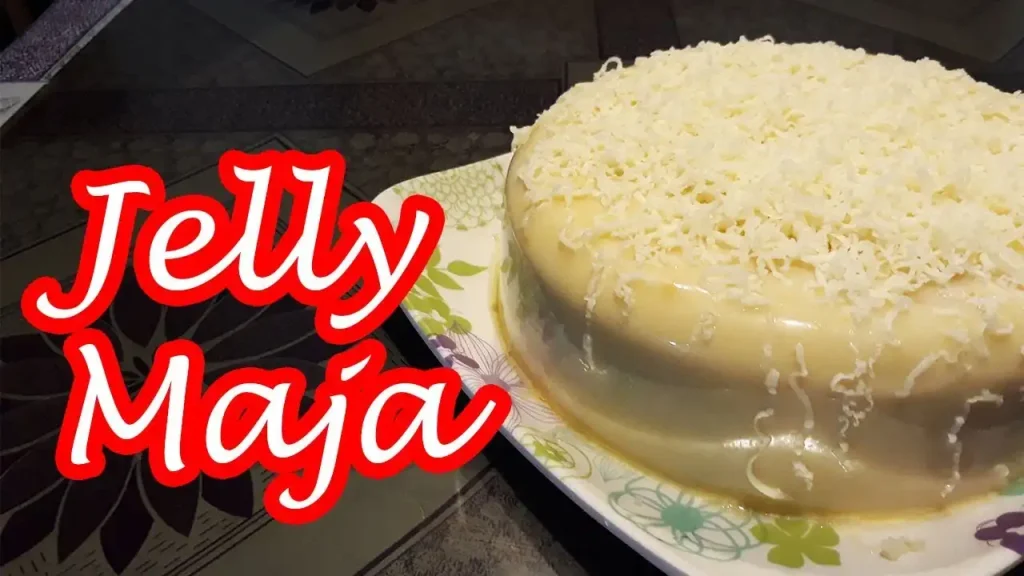
The secret to an exceptional Maja lies in the texture, which should be firm enough to slice into neat squares but soft enough to yield immediately under a spoon. The contrast between the milky, subtle sweetness of the base and the occasional pop of juicy corn kernels creates a layered sensory experience. When prepared correctly, the surface remains glossy and inviting, making it the centerpiece of any dessert table or afternoon merienda.
Serving this dessert is an exercise in Filipino hospitality. Whether dusted with salty-sweet toasted coconut curds or served plain, it invites guests to slow down and savor the creaminess. This is not just a pudding; it is a testament to the ingenuity of Filipino home cooks who turned humble pantry staples into a celebrated heritage classic that continues to define joyous celebrations.
Step-by-Step Cooking Instructions
- 1In a large mixing bowl, whisk together the cornstarch, evaporated milk, and one can of coconut milk until the mixture is completely smooth and free of lumps.
- 2Pour the remaining can of coconut milk into a heavy-bottomed saucepan and bring to a gentle simmer over medium heat.
- 3Stir in the sugar until it is fully dissolved, then add the corn kernels and allow the mixture to heat through for two minutes.
- 4Lower the heat to low and slowly pour the cornstarch mixture into the saucepan while stirring constantly to prevent clumping.
- 5Continue to cook, stirring continuously with a wooden spatula, until the mixture thickens into a glossy, heavy custard that pulls away from the sides of the pan.
- 6Remove from heat, stir in the vanilla extract, and pour the mixture into a lightly greased rectangular glass pan.
- 7Smooth the top with a spatula and allow it to cool at room temperature for 30 minutes before transferring it to the refrigerator to set for at least four hours.
- 8Slice into squares and serve chilled, topped with a generous sprinkle of golden-brown latik.
Kitchen Secrets & Pro Tips
- Use a heavy-bottomed pan to ensure even heat distribution and prevent the coconut milk from scorching at the bottom.
- Always whisk your cornstarch and milk together in a separate bowl before adding it to the hot liquid to ensure a perfectly smooth, lump-free texture.
- For the ultimate flavor upgrade, make your own latik by frying coconut cream until it separates into oil and golden-brown solids.
- Avoid over-chilling for too long; a four-hour set is ideal to keep the texture creamy rather than rubbery.
Frequently Asked Questions
- Can I use almond milk instead of coconut milk? (Yes, but the flavor profile will be significantly less authentic and the texture will be less creamy due to lower fat content.)
- How long can I store this in the refrigerator? (It is best consumed within 3 to 4 days when stored in an airtight container.)
- Why did my Maja turn out too soft? (You likely did not cook the mixture long enough to fully activate the cornstarch; ensure it reaches a thick, heavy consistency before removing from heat.)
Disclaimer: This recipe guide is created for educational purposes and the preservation of Filipino culinary culture.
About The Author