📺 Watch the Full Cooking Video Episode!
Want to see how The Soul of the Filipino Hearth A Deep Dive into Ginisang Upo is prepared step-by-step? Watch the full cooking video on our Video Hub to see exact heat controls, timing, and real preparation.
👉 Watch the The Soul of the Filipino Hearth A Deep Dive into Ginisang Upo Recipe Video →
🛑 Done Reading? Watch the Video Breakdown!
Catch all the practical kitchen tips, taste tests, and full preparation steps for The Soul of the Filipino Hearth A Deep Dive into Ginisang Upo.
▶️ Watch the Full The Soul of the Filipino Hearth A Deep Dive into Ginisang Upo Recipe Episode →
Ingredients Needed
- 1 medium-sized upo (bottle gourd), peeled and sliced into bite-sized cubes
- 200g ground pork or small shrimp, peeled and deveined
- 3 cloves garlic, minced
- 1 small onion, chopped
- 1 medium tomato, diced
- 2 tablespoons fish sauce (patis)
- 1 cup water or shrimp stock
- 2 tablespoons cooking oil
- Salt and freshly cracked black pepper to taste
- Optional: 1/2 cup glass noodles (sotanghon), pre-soaked
Origin & Culinary Story
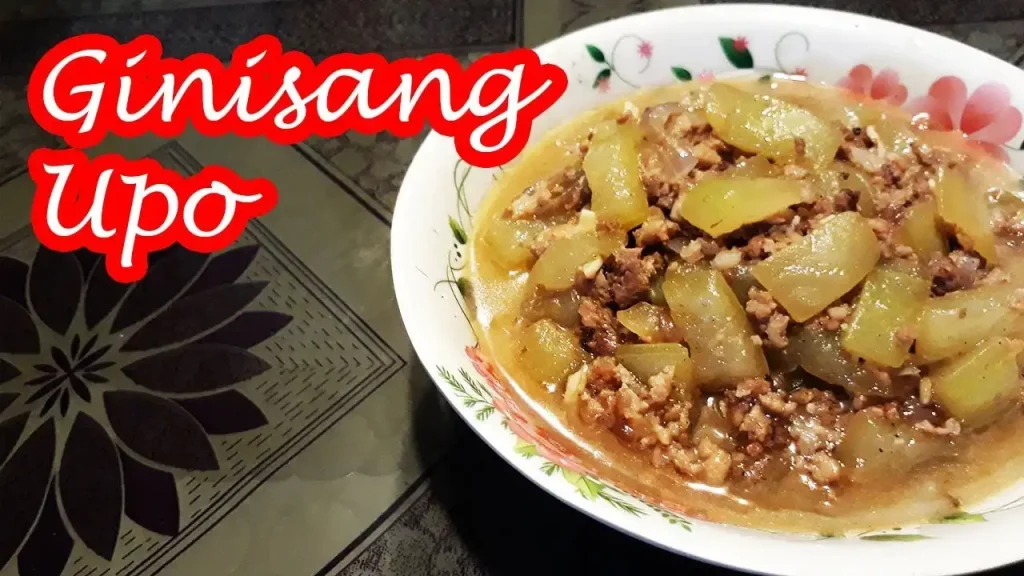
Ginisang Upo is a staple of the Filipino ‘lutong bahay’ (home-cooked) tradition. Rooted in the agricultural history of the Philippines, the bottle gourd—or upo—has long been a backyard vegetable, easily grown in small garden plots across the archipelago. The dish reflects the classic ‘guisado’ technique, a Spanish-influenced method of sautéing aromatics that defines the flavor profile of countless Filipino vegetable stews. It is often referred to as a ‘poor man’s dish’ because of its accessibility, yet it remains beloved by all social classes for its light, refreshing profile and its ability to stretch small amounts of protein into a hearty, family-sized meal.
The Culinary Experience
The process of making this dish is meditative and forgiving. It starts with the ‘gisa’—the foundational sauté of garlic, onion, and tomato—which serves as the backbone of nearly every Filipino stew. Watching the tomatoes break down into a jammy paste before the upo is added is a lesson in patience and flavor development. The addition of ground pork or shrimp elevates the dish, providing a necessary fattiness that balances the mild, slightly sweet nature of the gourd. It is a dish that humbles the palate while providing a sense of warmth and familiarity.
Serving Ginisang Upo is best done family-style, with a steaming bowl placed in the center of the table alongside mounds of fluffy white rice. The contrast between the tender, slightly crisp gourd and the savory, salty broth is what makes every spoonful satisfying. Whether enjoyed on a rainy afternoon or as a quick weekday dinner, this dish stands as a testament to the Filipino ability to create something truly soul-satisfying from the simplest of ingredients. It is a reminder that fine dining is not always about complexity, but often about the love and intention poured into a simple home-cooked meal.
Step-by-Step Cooking Instructions
- 1Heat the cooking oil in a wide pan or wok over medium heat.
- 2Sauté the garlic, onions, and tomatoes until the aromatics are soft and the tomatoes have released their juices.
- 3Add the ground pork or shrimp and cook until browned or opaque.
- 4Season with fish sauce and a pinch of pepper, stirring to coat the protein in the savory base.
- 5Add the cubed upo and toss for two minutes, allowing it to slightly soften and absorb the flavors.
- 6Pour in the water or stock, bring to a gentle boil, then cover and simmer for about 5 to 7 minutes until the gourd is tender but still holds its shape.
- 7If using, stir in the soaked glass noodles and cook for another 2 minutes until translucent.
- 8Adjust seasoning to taste and serve hot with a side of steamed white jasmine rice.
Kitchen Secrets & Pro Tips
- Choose a firm, light green upo that feels heavy for its size, as this indicates a high water content and sweetness.
- Do not overcook the upo; it should be ‘al dente’ and slightly translucent, not mushy or falling apart.
- For a deeper umami punch, use dried shrimp (hibe) instead of fresh shrimp to create a rich, savory broth base.
- Always peel the upo thoroughly, as the skin can be tough and fibrous if left on.
Frequently Asked Questions
- Can I substitute upo with another vegetable? Yes, you can use chayote or zucchini as they share similar textures and water content.
- How long can I store leftover Ginisang Upo? It can be stored in an airtight container in the refrigerator for up to 3 days, though it is best eaten fresh.
- Is it necessary to add glass noodles? No, the noodles are optional and added mostly to make the dish more filling.
Disclaimer: This recipe guide is created for educational purposes and the preservation of Filipino culinary culture.
About The Author