📺 Watch the Full Cooking Video Episode!
Want to see how The Golden Triad Mastering the Art of Egg Rolls Gyeran Mari and Tamagoyaki is prepared step-by-step? Watch the full cooking video on our Video Hub to see exact heat controls, timing, and real preparation.
🛑 Done Reading? Watch the Video Breakdown!
Catch all the practical kitchen tips, taste tests, and full preparation steps for The Golden Triad Mastering the Art of Egg Rolls Gyeran Mari and Tamagoyaki.
Ingredients Needed
- 4 large farm-fresh eggs
- 1 tablespoon dashi stock (or chicken broth for Gyeran-mari)
- 1 teaspoon mirin
- 1/2 teaspoon soy sauce
- 1/4 teaspoon sea salt
- 1 teaspoon finely minced scallions
- 1 teaspoon finely minced carrot
- 1 tablespoon neutral oil for frying
Origin & Culinary Story
While the egg roll is a staple in Chinese-Filipino cuisine—often reflecting the influence of Hokkien spring rolls—Gyeran-mari represents the Korean tradition of ‘banchan’ or side dishes, characterized by colorful vegetable inclusions. Tamagoyaki, the Japanese classic, is rooted in the Edomae sushi tradition, where precision and sweetness define the artistry of the omelet.
The Culinary Experience
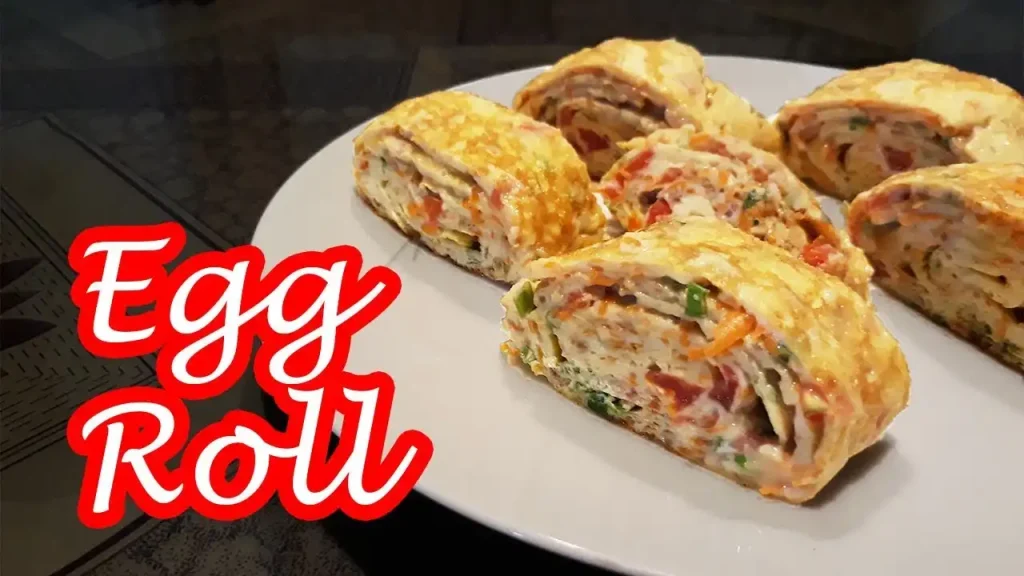
The sensory experience of these dishes is defined by their unique structural integrity. When you bite into a properly executed roll, you get a distinct sensation of layers parting ways on the palate. The dashi provides a subtle umami backbone, while the mirin rounds out the profile with a whisper of sweetness. Unlike standard scrambled eggs, these rolls hold their shape, making them the perfect centerpiece for a bento box or a sophisticated addition to a brunch spread.
Serving these requires a sharp knife and a steady hand. Once the roll has rested and the residual heat has finished firming the center, slicing it into thick, uniform rounds reveals the intricate spiral pattern inside. It is a dish that rewards the cook for their attention to detail. Serve these alongside a light soy-dipping sauce or simply enjoy them as they are, appreciating the transformation of the humble egg into a work of culinary architecture.
Step-by-Step Cooking Instructions
- 1Whisk the eggs thoroughly in a glass bowl until the whites and yolks are fully combined but not overly frothy.
- 2Strain the egg mixture through a fine-mesh sieve to ensure a silky, lump-free texture.
- 3Stir in the dashi, mirin, soy sauce, salt, and your choice of aromatics like scallions or carrots.
- 4Heat a rectangular tamagoyaki pan or a small non-stick skillet over medium-low heat and lightly coat with oil using a paper towel.
- 5Pour a thin layer of egg mixture into the pan, tilting to cover the entire surface evenly.
- 6Once the bottom is set but the top is still slightly moist, use a spatula to roll the egg sheet toward one end of the pan.
- 7Push the rolled egg to one side, add a little more oil, and pour another thin layer of egg mixture, lifting the cooked roll so the raw egg flows underneath.
- 8Repeat the rolling process until all the egg mixture is used and you have a substantial, layered log.
- 9Remove from the heat and allow the roll to rest on a bamboo mat or cutting board for two minutes to set the structure.
- 10Slice into uniform pieces and serve warm.
Kitchen Secrets & Pro Tips
- Always use a non-stick pan; the delicate protein of the egg will bond to stainless steel or cast iron, making the rolling process impossible.
- Strain your egg mixture; removing the chalaza and small bits of egg white ensures a smooth, uniform color and texture for every layer.
- Keep your heat low; rapid bubbling ruins the smooth appearance and creates a rubbery texture rather than the intended custard-like finish.
- Use a rectangular pan if possible; it allows for consistent thickness throughout the roll, which makes slicing much easier.
Frequently Asked Questions
- What is the best way to keep the roll from breaking? (Ensure your heat is low and you use just enough oil to keep the surface slick.)
- Can I add cheese to these rolls? (Yes, cheese adds a wonderful melt-in-the-middle quality, but add it sparingly so it does not interfere with the rolling.)
- Why is my egg roll turning brown? (The heat is too high, causing the eggs to fry instead of steam-cook; keep the temperature at a gentle medium-low.)
Disclaimer: This recipe guide is created for educational purposes and the preservation of Filipino culinary culture.
About The Author