📺 Watch the Full Cooking Video Episode!
Want to see how The Soul of the Filipino Kitchen A Masterclass on Adobong Atay at Balunan ng Manok is prepared step-by-step? Watch the full cooking video on our Video Hub to see exact heat controls, timing, and real preparation.
🛑 Done Reading? Watch the Video Breakdown!
Catch all the practical kitchen tips, taste tests, and full preparation steps for The Soul of the Filipino Kitchen A Masterclass on Adobong Atay at Balunan ng Manok.
Ingredients Needed
- 500g chicken liver, cleaned and halved
- 500g chicken gizzards (balunan), cleaned and sliced into bite-sized pieces
- 1/2 cup soy sauce
- 1/3 cup cane vinegar
- 1 head garlic, minced
- 1 medium onion, diced
- 3 pieces dried bay leaves
- 1 tsp whole black peppercorns
- 2 tbsp cooking oil
- 1/2 cup water or chicken stock
- 1 tbsp brown sugar (optional for balance)
- 2 bird’s eye chilies (siling labuyo) for heat
Origin & Culinary Story
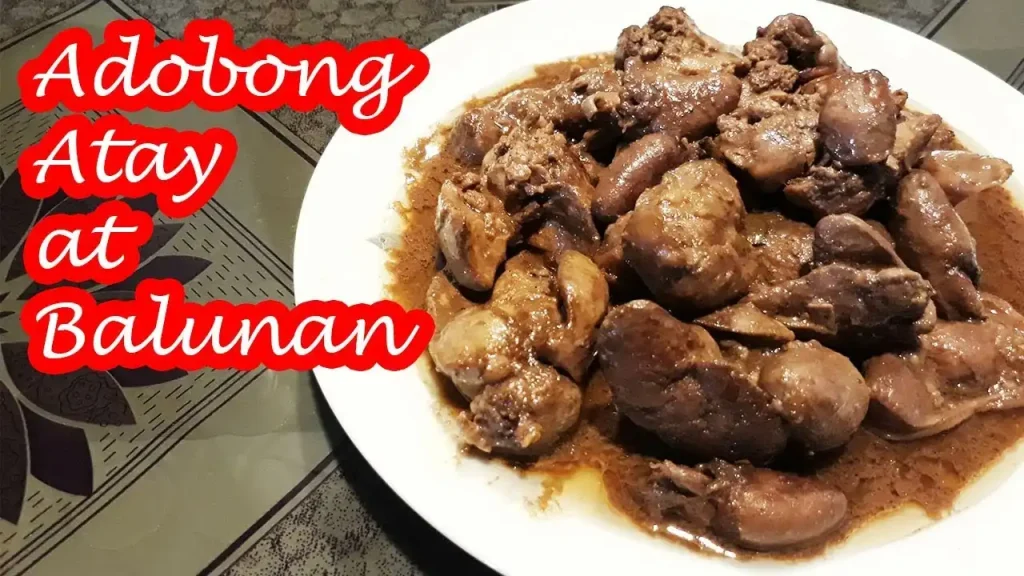
Adobong Atay at Balunan is a quintessential ‘nose-to-tail’ Filipino dish born from the practical necessity of utilizing every part of the poultry. Rooted in the humble kitchens of the rural provinces, it reflects the Filipino ingenuity of transforming humble offal into a sophisticated main course. While Adobo is the national dish, this specific variation showcases the texture contrast—the ‘mushy’ richness of the liver against the ‘crunchy’ resistance of the gizzard—making it a beloved staple in carinderias and family homes alike.
The Culinary Experience
The magic lies in the balance. The aggressive acidity of the cane vinegar cuts through the iron-heavy intensity of the liver, while the soy sauce provides a salty, umami-laden foundation. As the sauce reduces, it transforms into a dark, sticky glaze that clings to every piece of meat. It is a slow, meditative process; you are not just cooking, you are coaxing flavors out of ingredients that require patience and respect to truly shine.
Serving this dish is an act of love. It is best enjoyed with friends or family, sitting around a table with a massive bowl of steamed rice to soak up every drop of the sauce. The contrast of the spicy, salty, and sour notes creates a culinary experience that lingers on the palate. Whether it is a quick weeknight dinner or a nostalgic feast, this Adobo variation remains a testament to the beauty of Filipino home cooking—unpretentious, bold, and unapologetically flavorful.
Step-by-Step Cooking Instructions
- 1Boil the chicken gizzards in water with a pinch of salt until tender, which usually takes about 30 to 40 minutes, then drain and set aside.
- 2Heat oil in a heavy-bottomed pan or wok over medium heat and sauté the garlic and onions until fragrant and slightly caramelized.
- 3Add the boiled gizzards to the pan, searing them for 3-5 minutes to develop a golden crust.
- 4Pour in the soy sauce and peppercorns, letting the liquid bubble and slightly caramelize around the gizzards.
- 5Gently fold in the chicken livers, being careful not to overcook them as they turn grainy quickly; cook for about 3-4 minutes until they are just set.
- 6Pour in the vinegar without stirring, allowing it to cook off its raw bite for about 2 minutes.
- 7Add the water or stock, bay leaves, and chilies, then simmer on low heat for 5-8 minutes until the sauce thickens into a glossy, dark glaze.
- 8Adjust seasoning with brown sugar if you prefer a sweeter profile, and serve hot over steaming jasmine rice.
Kitchen Secrets & Pro Tips
- Always clean the gizzards thoroughly by removing the tough yellow lining and any excess fat before boiling.
- Do not stir the vinegar immediately after pouring; let it simmer uncovered to allow the harsh acidity to mellow into a complex tang.
- To prevent the livers from breaking apart, sear them briefly on high heat before adding the braising liquid.
- Use a heavy-bottomed pan to ensure even heat distribution, which helps in achieving that perfect glossy reduction without burning the soy sauce sugars.
Frequently Asked Questions
- How do I remove the gamey smell of the liver? Soak the chicken livers in a mixture of milk or water with a splash of vinegar for 30 minutes before cooking.
- Can I use a different type of vinegar? Yes, although cane vinegar is traditional, coconut or palm vinegar provides the most authentic sharpness.
- How long can I store the leftovers? This dish keeps well in the refrigerator for up to 3 days; the flavors often deepen and improve the next day.
Disclaimer: This recipe guide is created for educational purposes and the preservation of Filipino culinary culture.
About The Author