📺 Watch the Full Cooking Video Episode!
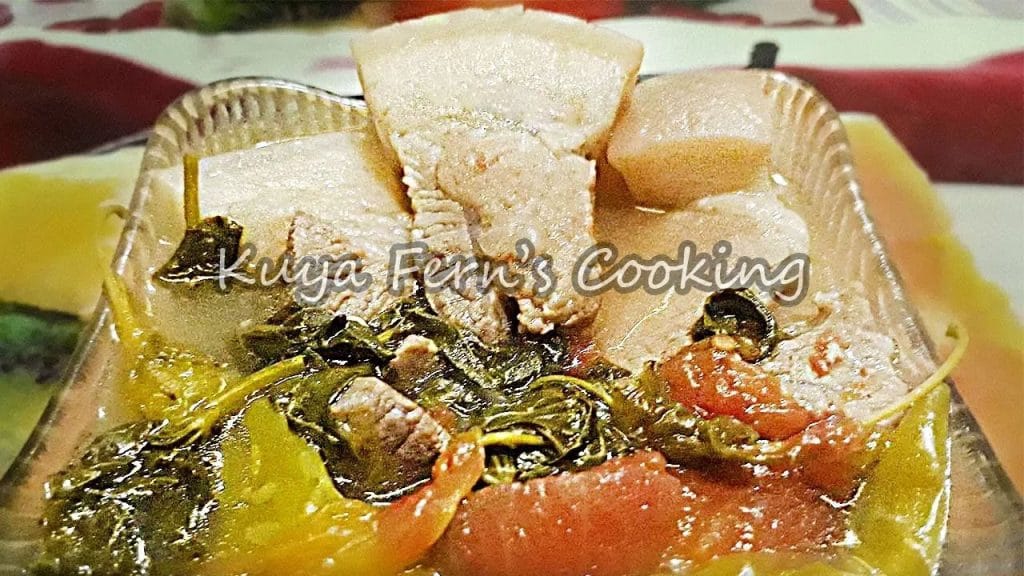
Want to see how The Most Simple Sinigang na Baboy is prepared step-by-step? Watch the full cooking video on our Video Hub to see exact heat controls, timing, and real preparation.
👉 Watch the The Most Simple Sinigang na Baboy Recipe Video →
Ingredients (Mga Sangkap)
- ✔ 1kg Pork Belly (cut into 2-inch chunks)
- ✔ 1 pack (40g) Tamarind Soup Base mix
- ✔ 1 large White Onion (quartered)
- ✔ 3 medium Tomatoes (ripe and quartered)
- ✔ 1 bundle Kangkong (Water Spinach)
- ✔ 2 pieces Long Green Chili (Siling Haba)
- ✔ 1 bunch Radish (sliced into rounds)
- ✔ 1 piece Eggplant (sliced diagonally)
- ✔ 1 tbsp Fish Sauce (Patis)
- ✔ 1.5 liters Water
The Soul of the Filipino Kitchen
To step into a kitchen where Sinigang na Baboy is bubbling on the stove is to embrace the very heartbeat of Filipino hospitality. At Mavhic, we believe that simplicity is the ultimate sophistication, especially when dealing with a dish as nostalgic as this. This recipe strips away the unnecessary complications, focusing instead on the raw, unadulterated beauty of high-quality pork belly and the sharp, bright acidity of fresh tamarind. It is more than just a meal; it is a sensory journey back to the wooden tables of our ancestors.
As you begin, the aroma of the sautéed onions and tomatoes should fill your home with a welcoming warmth. This is the foundation of every great Filipino soup. By patiently allowing the tomatoes to break down, you create a natural sweetness that balances the eventual sour punch of the tamarind. This is the secret to a well-rounded broth that leaves your palate yearning for another spoonful. It is a slow, rhythmic process that invites patience and respect for the ingredients.
The Art of the Sear
When you drop those succulent chunks of pork belly into the pot, listen for the sharp, aggressive sizzle that signals the start of something magnificent. We do not just boil our meat; we brown it. This Maillard reaction is critical, as it caramelizes the edges of the pork, creating a complex depth of flavor that a simple boil could never achieve. The fat begins to render, glistening in the pan like liquid gold, ready to impart its richness into the broth.
The Mavhic philosophy dictates that the pork must be treated with care. As the meat takes on a light brown hue, add your fish sauce or patis. The smell of the fish sauce hitting the hot surface is the true scent of a Filipino kitchen—pungent, earthy, and deeply savory. It is a bold statement of flavor that defines the character of the dish. Stir it well, ensuring every piece of pork is coated in that salty, umami-rich essence before you introduce the water.
The Symphony of Sour and Spice
Now comes the pivotal moment: the infusion of the tamarind. Whether you are using a premium powder mix or freshly extracted pulp, the transformation is instantaneous. As the tamarind hits the simmering broth, the liquid turns into a beautiful, opaque amber. The acidity here is not meant to be aggressive; it should be a bright, clean note that cuts through the fattiness of the pork belly. It awakens the tongue and prepares the senses for the harmony of the vegetables to follow.
The long green chilies, or siling haba, are not just for color. When split open, they release a subtle, grassy heat that lingers in the back of the throat, perfectly countering the tang of the tamarind. It is this balance of sour, salty, and a whisper of spice that makes Sinigang na Baboy the ultimate comfort food. It is a dish that heals the spirit, clears the head, and provides a sense of belonging in every single bowl.
The Final Flourish: Textural Perfection
The final act of this culinary performance is the vegetable layer. In a Mavhic kitchen, we believe that a vegetable should never be overcooked. The radish, eggplant, and kangkong are added in stages, preserving their structural integrity and their vibrant colors. The radish softens just enough to absorb the broth, while the eggplant remains creamy and tender. The kangkong, added at the very last second, provides a fresh, earthy crunch that rounds out the experience.
Serve this masterpiece immediately, preferably in a large, deep ceramic bowl accompanied by a mountain of steaming jasmine rice. The sight of the clear, vibrant broth against the dark greens of the kangkong is a testament to the beauty of simple, honest cooking. As you take that first sip, remember that you are partaking in a culinary legacy that has been passed down through generations, refined by Mavhic to fit the modern home while keeping the soul firmly intact.
Step-by-Step Cooking Guide
- 1. Sautéing the aromatics to build a deep flavor base.
- 2. Browning the pork to lock in juices and texture.
- 3. Simmering the pork until the fat renders into a rich, cloudy broth.
- 4. Integrating the tamarind essence to create the signature tart profile.
- 5. Layering the vegetables by density to ensure the perfect crunch.
🛑 Done Reading? Watch the Video Breakdown!
Catch all the practical kitchen tips, taste tests, and full preparation steps for The Most Simple Sinigang na Baboy.
▶️ Watch the Full The Most Simple Sinigang na Baboy Recipe Episode →
Frequently Asked Questions
- What is the secret to a perfect Sinigang broth? The secret lies in the balance; sautéing your tomatoes until they are mushy before adding water creates a rich base that perfectly supports the tamarind acidity.
- Can I use other meats instead of pork? Yes, Sinigang is incredibly versatile; you can substitute the pork belly with shrimp, beef brisket, or even salmon head for a lighter, seafood-forward version.
- How do I prevent the kangkong from becoming mushy? The trick is to turn off the heat immediately after adding the kangkong and covering the pot; the residual heat will cook the leaves to the perfect texture without losing their vibrant color.
Original coverage: Watch on YouTube
About The Author