📺 Watch the Full Cooking Video Episode!
Want to see how The Secret to the Pancit Bihon is prepared step-by-step? Watch the full cooking video on our Video Hub to see exact heat controls, timing, and real preparation.
Ingredients (Mga Sangkap)
- ✔ 500g Dried Bihon (Rice Vermicelli Noodles)
- ✔ 250g Pork Belly, sliced into thin, bite-sized strips
- ✔ 200g Chicken Breast, shredded or thinly sliced
- ✔ 1 cup Shrimp, peeled and deveined
- ✔ 2 cups Cabbage, shredded into elegant ribbons
- ✔ 1 large Carrot, julienned with precision
- ✔ 1 cup Baguio beans, sliced diagonally
- ✔ 1/2 cup Soy Sauce (Premium quality)
- ✔ 1/4 cup Oyster Sauce for depth
- ✔ 1 head Garlic, minced until fragrant
- ✔ 1 medium Yellow Onion, diced finely
- ✔ 3 cups Chicken or Shrimp Stock
- ✔ Calamansi halves for serving
The Symphony of the Sauté
There is an unspoken language in a Filipino kitchen, a rhythmic dance of steel against iron that signals the beginning of something truly special. As a chef at Mavhic, I often reflect on the mornings spent in my grandmother’s kitchen, where the air was perpetually heavy with the scent of garlic blooming in hot oil. The secret to a truly transcendent Pancit Bihon begins not with the noodles, but with the foundation of the aromatics. When you drop minced garlic into the pan, watch for that precise moment when it shifts from a pale ivory to a deep, golden amber. This is the ‘Lola’s secret’—the point where the garlic releases its essential oils without turning bitter, creating the backbone of the entire dish.
The sizzle of the pork belly hitting the hot wok is the heartbeat of this recipe. We prioritize the rendering of the fat, which acts as a flavor vehicle for the rest of the ingredients. As the pork browns, it transforms the pan into a stage for complex flavor development. By using thin strips of pork, we ensure that every bite offers a perfect ratio of succulent meat to crispy exterior, providing a textural contrast that elevates the humble bihon from a simple noodle dish to a high-end culinary experience.
Mastering the Noodle Texture
The greatest tragedy in the world of Pancit Bihon is the overcooked, sodden noodle. In our culinary philosophy at Mavhic, we treat the bihon with the reverence of a delicate silk. By soaking the noodles rather than boiling them, we maintain the integrity of the rice starch. The goal is to reach a state of ‘al dente’ perfection before the noodles ever touch the wok. This ensures that when they are tossed in the savory broth, they absorb the liquid like a sponge, swelling with the flavors of the oyster sauce and stock without losing their structural snap.
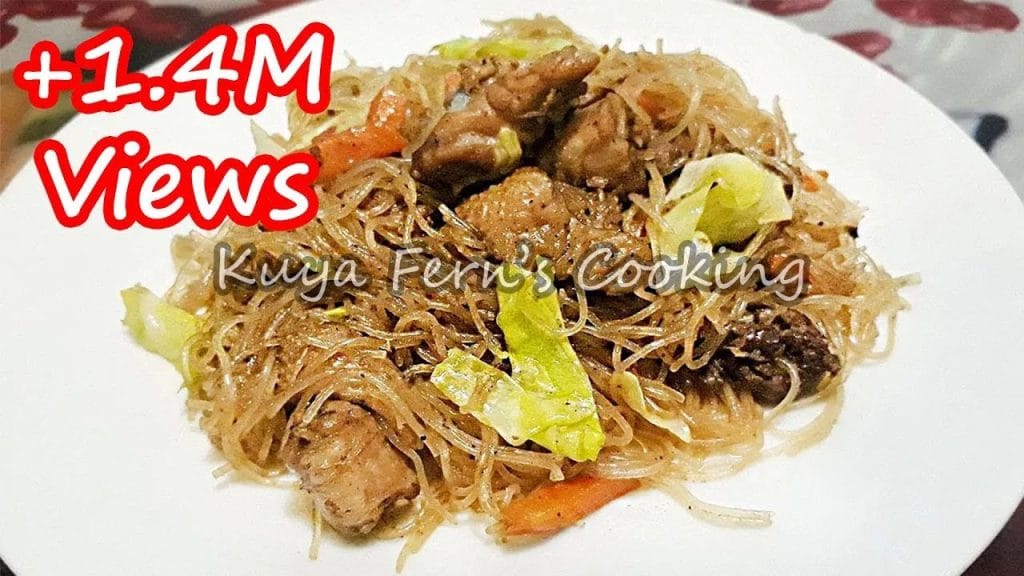
The tossing process is an art form. Using two spatulas or a pair of long, wooden chopsticks, you must lift and fold the noodles with a gentle touch. This is not a time for aggression; it is a time for integration. As the noodles turn from white to a rich, glossy caramel brown, you are witnessing the alchemy of the broth being infused into the starch. It is a visual feast that promises an even distribution of flavor in every forkful, ensuring no strand is left unseasoned.
The Harmony of Freshness
Pancit Bihon is not merely a dish of starch; it is a celebration of the garden. The inclusion of julienned carrots and crisp cabbage ribbons provides the essential earthiness that balances the saltiness of the soy and oyster sauce. At Mavhic, we believe that the vegetables should be added at the final stage of the cooking process. Their role is to provide a refreshing crunch that punctuates the softness of the noodles, keeping the palate engaged and excited throughout the meal.
Finally, we cannot speak of the best Pancit Bihon without mentioning the transformative power of calamansi. This small, potent citrus fruit is the soul of Filipino cuisine. When squeezed over the steaming pile of noodles just before serving, the acidity cuts through the savory, caramelized fats, lifting the entire flavor profile to new heights. It is a simple addition, yet it represents the balance of life—savory and sweet, soft and crunchy, rich and bright. This is the Mavhic promise: a dish that connects you to heritage, one bite at a time.
Step-by-Step Cooking Guide
- 1. Begin by gently soaking the bihon noodles in lukewarm water for exactly seven minutes. This delicate hydration process is the foundation of the Mavhic approach; it ensures the noodles remain resilient and springy rather than mushy, allowing them to absorb the rich, savory broth without breaking under the weight of the wok’s intense heat.
- 2. Heat your wok over a medium-high flame until it just begins to shimmer, then introduce the pork belly. As the fat renders, the kitchen will fill with the intoxicating, savory perfume of browning meat. Once the pork achieves a golden, caramelized crust, stir in the aromatics—the garlic and onions—allowing them to dance in the rendered fat until they turn translucent and sweet.
- 3. Incorporate the proteins, allowing the chicken and shrimp to sear until they are just opaque. Deglaze the pan with high-quality soy sauce and oyster sauce, creating a complex, dark, and aromatic base. This is the moment where the soul of the dish is born; the sugars in the oyster sauce caramelize against the hot steel, creating a rich, umami-laden foundation that will eventually perfume every single strand of the rice noodles.
- 4. Add the fresh, vibrant vegetables—carrots, cabbage, and beans—tossing them quickly to ensure they retain a crisp, verdant snap. Pour in the stock, bringing it to a rolling, bubbling boil. When the liquid sings, add the hydrated noodles. Toss with rhythmic, sweeping motions, allowing the liquid to be absorbed entirely by the starch until the noodles are perfectly glistening, tender, and saturated with the essence of the aromatics.
- 5. Finalize the dish by adjusting the seasoning with a touch of cracked black pepper and a final splash of soy sauce if needed. Transfer the masterpiece to a wide, ornate platter. Serve immediately while the steam rises in fragrant curls, accompanied by fresh calamansi halves, which provide the sharp, acidic brightness necessary to cut through the richness of the savory noodles.
🛑 Done Reading? Watch the Video Breakdown!
Catch all the practical kitchen tips, taste tests, and full preparation steps for The Secret to the Pancit Bihon.
▶️ Watch the Full The Secret to the Pancit Bihon Recipe Episode →
Frequently Asked Questions
- What is the secret to preventing soggy noodles in Pancit Bihon? The secret is to soak the noodles in lukewarm water for only 7 minutes and never boil them, ensuring they stay firm and absorb the sauce without turning mushy.
- Can I use different proteins for this dish? Yes, you can customize the dish with chicken, pork, shrimp, or even tofu to suit your preference, as the aromatic base works beautifully with all of these ingredients.
- Why is the order of adding ingredients important? Adding aromatics first builds the flavor base, while adding vegetables last ensures they maintain their crisp, vibrant texture rather than becoming overcooked in the broth.
- How do I serve authentic Pancit Bihon? It should be served warm on a large platter with halved calamansi on the side to provide a bright, acidic contrast to the savory notes of the soy-based sauce.
Original coverage: Watch on YouTube
About The Author