📺 Watch the Full Cooking Video Episode!
Want to see how The Soul of Visayan Comfort Mastering the Art of Pork Humba is prepared step-by-step? Watch the full cooking video on our Video Hub to see exact heat controls, timing, and real preparation.
👉 Watch the The Soul of Visayan Comfort Mastering the Art of Pork Humba Recipe Video →
🛑 Done Reading? Watch the Video Breakdown!
Catch all the practical kitchen tips, taste tests, and full preparation steps for The Soul of Visayan Comfort Mastering the Art of Pork Humba.
▶️ Watch the Full The Soul of Visayan Comfort Mastering the Art of Pork Humba Recipe Episode →
Ingredients Needed
- 2 lbs pork belly, cut into 2-inch chunks
- 1/4 cup soy sauce
- 1/4 cup cane vinegar
- 1/2 cup muscovado sugar
- 3 tablespoons fermented black beans (tausi), rinsed
- 1 head of garlic, smashed
- 1 large onion, sliced
- 2 whole star anise
- 1 teaspoon whole black peppercorns
- 3 dried bay leaves
- 2 cups water or coconut water
- 2 tablespoons cooking oil
Origin & Culinary Story
Humba finds its heart in the Visayas region of the Philippines, where it is often considered a staple at every major family gathering. While it shares a lineage with the popular Adobo, Humba is distinctively sweeter and richer due to the heavy influence of Chinese traders who introduced fermented black beans and star anise to the local palate. It is a dish that honors the Filipino tradition of slow-cooking, reflecting a patience and care that turns humble ingredients into a celebratory feast.
The Culinary Experience
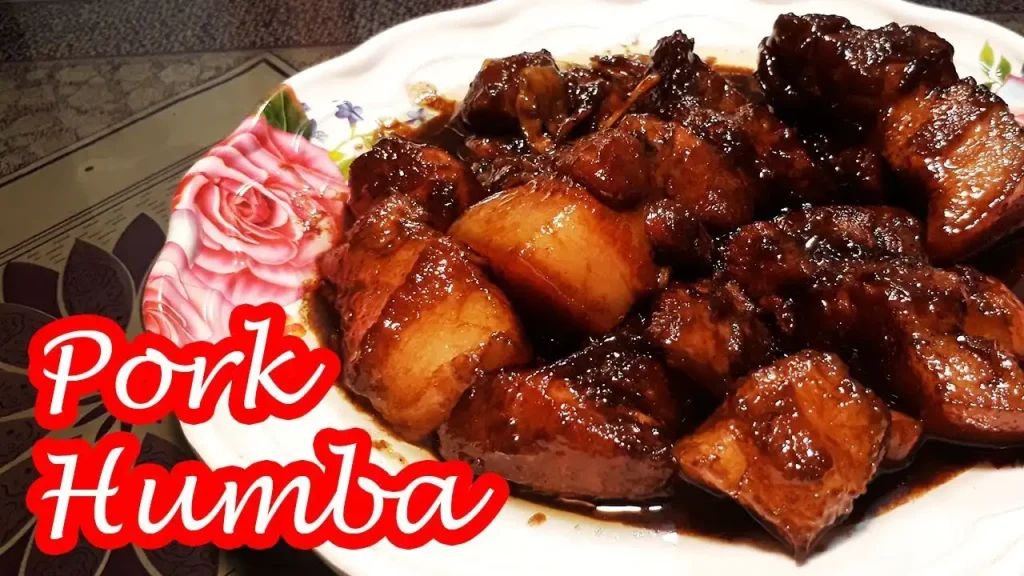
The secret to an authentic Humba lies in the patience of the braise. By searing the meat first, you lock in the juices, but the real work happens during the long, low simmer. As the pork belly renders its fat into the braising liquid, it begins to soften, absorbing the complex notes of the black beans and the aromatic spices. The addition of muscovado sugar is critical; it doesn’t just sweeten the dish, it caramelizes the sauce as it reduces, creating that iconic, dark, and sticky glaze that clings perfectly to the tender meat.
When it comes time to serve, presentation is simple yet striking. A generous ladle of the dark, savory syrup over a bed of fluffy, white jasmine rice is all you need to complete the experience. The contrast between the rich, fatty pork and the clean, neutral base of the rice creates the perfect harmony of flavors. Eating Humba is an immersive experience that reminds us why Filipino home cooking remains the gold standard for soul-satisfying meals—it is honest, robust, and deeply rooted in a history of shared love and family tables.
Step-by-Step Cooking Instructions
- 1Sear the pork belly in a large heavy-bottomed pot over medium-high heat until all sides are golden brown, then remove and set aside.
- 2Using the rendered fat in the same pot, sauté the garlic and onions until soft and fragrant.
- 3Add the fermented black beans and cook for one minute to release their aroma.
- 4Return the pork to the pot and pour in the soy sauce, stirring to coat every piece evenly.
- 5Add the water (or coconut water), star anise, black peppercorns, and bay leaves, bringing the mixture to a gentle boil.
- 6Lower the heat to a whisper, cover tightly, and simmer for 60 to 90 minutes until the pork is fork-tender.
- 7Stir in the muscovado sugar and vinegar, then continue to simmer uncovered for another 15 minutes to allow the sauce to reduce into a thick, glossy syrup.
- 8Serve hot over a generous mound of steaming jasmine rice, ensuring the sauce coats both the meat and the grains.
Kitchen Secrets & Pro Tips
- Use coconut water instead of plain water to provide a natural sweetness and depth that balances the saltiness of the soy sauce.
- Never rush the braising process; the pork belly needs a low and slow simmer to break down the connective tissue and achieve that signature melt-in-your-mouth texture.
- Rinse your fermented black beans thoroughly under cold water to control the salt levels of the final sauce.
- Add the vinegar only toward the end of the cooking process to ensure it doesn’t lose its brightness and to prevent the meat from toughening too early.
Frequently Asked Questions
- Can I use pork shoulder instead of belly? Yes, though belly provides the richest texture, shoulder is a leaner alternative that still holds up well to slow braising.
- Why do we add vinegar at the end? Adding it late ensures the acidity remains bright and cuts through the richness of the pork fat without making the meat tough during the long simmer.
- Is this dish supposed to be very sweet? Authentic Humba is noticeably sweeter than Adobo, but you can adjust the sugar to your personal preference.
Disclaimer: This recipe guide is created for educational purposes and the preservation of Filipino culinary culture.
About The Author