📺 Watch the Full Cooking Video Episode!
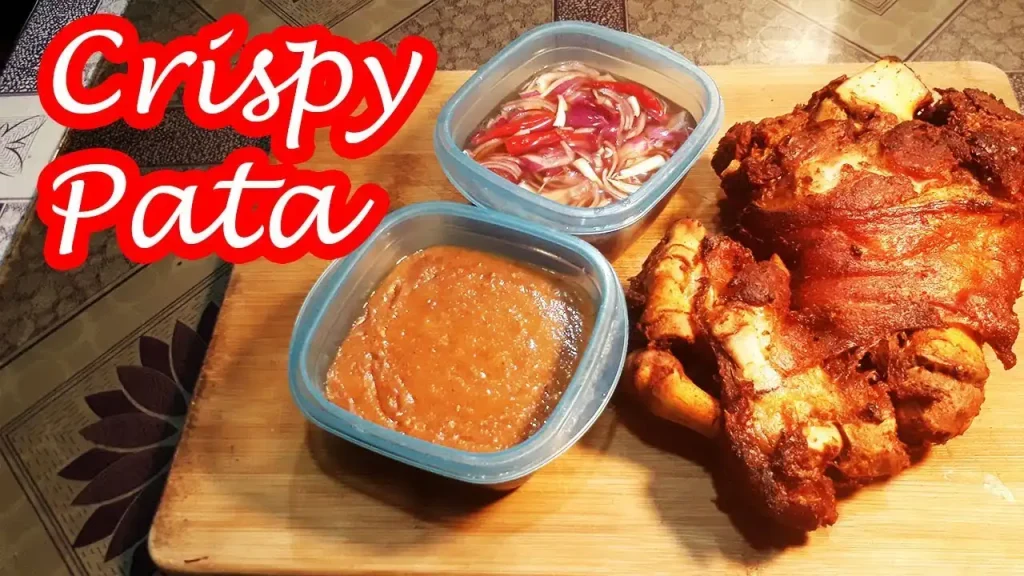
Want to see how the Ultimate Crispy Pata with Rich Homemade Lechon Sauce is prepared step-by-step? Watch the full cooking video on our Video Hub to see exact heat controls, timing, and real preparation.
👉 Watch the the Ultimate Crispy Pata with Rich Homemade Lechon Sauce Recipe Video →
🛑 Done Reading? Watch the Video Breakdown!
Catch all the practical kitchen tips, taste tests, and full preparation steps for the Ultimate Crispy Pata with Rich Homemade Lechon Sauce.
▶️ Watch the Full the Ultimate Crispy Pata with Rich Homemade Lechon Sauce Recipe Episode →
Ingredients Needed
- 1 whole pork leg (pata), front leg preferred (about 1.5 to 2 kg)
- 1 head of garlic, halved horizontally
- 2 medium yellow onions, quartered
- 3 stalks lemongrass (tanglad), bruised
- 5 dried bay leaves (laurel)
- 2 tablespoons black peppercorns
- 1/4 cup sea salt
- 1 bottle (330ml) pale pilsner beer
- Water, enough to submerge the pork
- Neutral oil (like canola or palm), for deep frying
- 1 can (85g) pork liver pâté
- 1/2 cup pork broth (reserved from boiling the pata)
- 4 cloves garlic, minced
- 1 small red onion, finely minced
- 3 tablespoons brown sugar
- 2 tablespoons soy sauce
- 3 tablespoons cane vinegar
- 1/2 teaspoon freshly cracked black pepper
- 1 tablespoon toasted breadcrumbs
Origin & Culinary Story
Crispy Pata is a beloved pillar of Filipino celebratory cuisine, born out of resourcefulness and culinary ingenuity. While Spanish colonization introduced various pork preparation techniques, the modern iteration of Crispy Pata is widely credited to Rodolfo Ongpauco of the Barrio Fiesta restaurant in Caloocan during the late 1950s. Looking for a way to utilize discarded pork legs that weren’t used in traditional dishes like humba or adobo, Ongpauco experimented with boiling and deep-frying the knuckles. The result was a culinary sensation that combined the crackling skin of lechon with the rich, unctuous meat of the pork leg, eventually securing its place as an indispensable fixture at birthdays, fiestas, and Sunday family gatherings across the Philippines.
The Culinary Experience
Achieving this legendary texture requires a two-step cooking process that demands both patience and precision. First comes the long, slow simmer in a heavily seasoned aromatic bath. Infusing the pork with garlic, lemongrass, bay leaves, peppercorns, and a splash of beer tenderizes the tough connective tissues while driving deep savory flavors into the bone. The second, crucial phase is the drying process, followed by a dramatic plunge into roaring hot oil. It is this thermal shock that causes the moisture in the skin to rapidly expand and evaporate, creating those coveted, bubbly pockets of pure, crispy perfection.
No Crispy Pata experience is truly complete without its classic companion: a rich, velvety, homemade lechon sauce. While many rely on store-bought bottled varieties, crafting your own sauce using rich liver pâté, cane vinegar, brown sugar, and aromatic spices elevates the dish to restaurant-quality heights. The sauce’s sweet, tangy, and deeply savory profile cuts beautifully through the rich, fatty decadence of the pork, balancing every single bite. Served alongside a mound of steaming garlic fried rice and a cold glass of lager, this is more than just a meal—it is a sensory celebration of classic Filipino hospitality.
Step-by-Step Cooking Instructions
- 1Clean the pork leg thoroughly by scraping off any remaining hairs and scrubbing the skin with coarse salt, then rinse well under cold running water.
- 2Place the pork leg in a large, heavy-bottomed stockpot and pour in enough water to completely submerge it.
- 3Add the halved garlic, quartered onions, bruised lemongrass, bay leaves, black peppercorns, sea salt, and beer to the pot.
- 4Bring the liquid to a rolling boil over high heat, then lower the heat to a gentle simmer, cover, and cook for 1.5 to 2 hours until the meat is tender but not falling off the bone.
- 5Carefully remove the pork leg from the broth, place it on a wire rack, and let it drain and cool completely to room temperature.
- 6Prick the skin of the cooled pork leg all over with a fork or toothpick to help render the fat, then rub a thin layer of salt over the skin and place it uncovered in the refrigerator for at least 4 hours, or overnight, to dry out the skin.
- 7Prepare the lechon sauce by sautéing the minced garlic and onions in a small saucepan with a splash of oil until fragrant and translucent.
- 8Stir in the liver pâté, reserved pork broth, brown sugar, soy sauce, cane vinegar, and black pepper, bringing the mixture to a gentle simmer over medium-low heat.
- 9Whisk in the toasted breadcrumbs to thicken the sauce, adjust sweetness or acidity to your liking, and simmer for another 3 minutes before removing from heat.
- 10Heat a generous amount of neutral frying oil in a deep pot or wok to 375°F (190°C), ensuring there is enough oil to submerge at least half of the pork leg.
- 11Carefully lower the dried pork leg into the hot oil, cover immediately with a lid to protect against oil splatters, and fry for about 10 to 15 minutes per side until the skin is puffed, blistered, and deep golden brown.
- 12Remove the crispy pata from the oil, drain on a wire rack for 5 minutes, carve, and serve hot alongside the warm homemade lechon sauce.
Kitchen Secrets & Pro Tips
- Dry skin is the secret: The drier the pork skin before frying, the more explosive the blistered crunch will be. Don’t skip the overnight air-drying step in the fridge.
- The ice water shock: For an incredibly shatteringly crisp skin, lightly spray or brush the cold pork skin with a splash of ice-cold water or white vinegar right before it hits the hot oil.
- Keep the bone in: Boiling and frying the leg with the bone intact ensures the meat retains its natural juices, preventing the pork from drying out during the intense frying process.
- Save the broth: The boiling liquid is packed with gelatin and aromatic flavors; strain and freeze it to use as a rich base for future soups, stews, or ramen broths.
Frequently Asked Questions
- How do I prevent the oil from splattering when frying? Ensure the pork leg is completely dry before frying, and always keep a heavy lid nearby to cover the pot immediately after lowering the pork into the hot oil.
- Can I make Crispy Pata in an air fryer? Yes, you can air fry the boiled and dried pork leg at 400°F (200°C) for 35 to 45 minutes, flipping halfway through, though the skin will be slightly less blistered than traditional deep-frying.
- Why is my Crispy Pata tough? If the meat is tough, it likely was not boiled long enough during the simmering stage; ensure the meat is tender and easily pierced with a fork before drying.
- Can I use chicken liver instead of pork liver for the sauce? Absolutely, chicken liver or a high-quality canned chicken liver spread works wonderfully as a smooth, rich substitute for pork liver.
Disclaimer: This recipe guide is created for educational purposes and the preservation of Filipino culinary culture.
About The Author