📺 Watch the Full Cooking Video Episode!
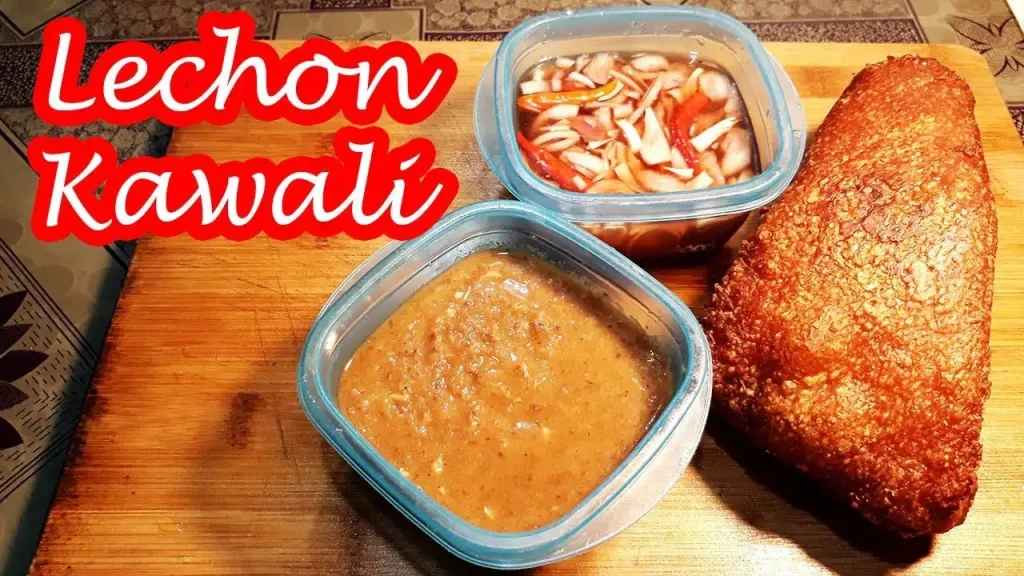
Want to see how Crispy Lechon Kawali A Heritage Filipino Masterpiece is prepared step-by-step? Watch the full cooking video on our Video Hub to see exact heat controls, timing, and real preparation.
👉 Watch the Crispy Lechon Kawali A Heritage Filipino Masterpiece Recipe Video →
🛑 Done Reading? Watch the Video Breakdown!
Catch all the practical kitchen tips, taste tests, and full preparation steps for Crispy Lechon Kawali A Heritage Filipino Masterpiece.
▶️ Watch the Full Crispy Lechon Kawali A Heritage Filipino Masterpiece Recipe Episode →
Ingredients Needed
- 2 lbs pork belly slab, skin-on
- 1 head garlic, smashed
- 2 tablespoons whole black peppercorns
- 3 pieces dried bay leaves
- 1 tablespoon sea salt
- 4 cups water
- Neutral oil for deep frying (canola or vegetable)
- Liver sauce or spiced vinegar for serving
Origin & Culinary Story
Lechon Kawali traces its origins to the Chinese influence on Filipino cuisine, specifically the technique of deep-frying meat in a wok, or ‘kawali.’ While traditional lechon involves slow-roasting a whole pig over charcoal, the kawali version was born out of urban necessity—a way to achieve that iconic crispy skin and juicy meat within the confines of a home kitchen. It has since become a staple at Filipino fiestas and celebratory Sunday lunches, representing the ingenious adaptation of communal culinary traditions into accessible, home-cooked indulgence.
The Culinary Experience
Achieving this masterpiece is a lesson in patience and science. The process is a two-act play: first, the gentle braise that softens the collagen in the pork belly, ensuring the final product isn’t tough or chewy. Second, the transformation in the hot oil. This is where the magic happens, as the residual moisture is driven out, causing the skin to puff and crisp into the iconic texture that food lovers crave. It is not merely a cooking method; it is a ritual that honors the humble pork belly, elevating it into a centerpiece that commands attention on any dining table.
Serving Lechon Kawali is best done with simplicity in mind. Whether it is laid out on a platter for a bustling family gathering or enjoyed as a solitary indulgence, the dish shines when accompanied by a mound of steaming garlic fried rice and a side of fresh tomato and onion salad. The cooling crunch of the vegetables cuts through the richness of the pork, creating a harmonious balance that keeps you coming back for more. In every Filipino household, the scent of frying Lechon Kawali is synonymous with celebration, a comforting reminder of heritage and the joy of sharing a truly remarkable meal.
Step-by-Step Cooking Instructions
- 1Place the pork belly in a large pot and add the water, smashed garlic, peppercorns, bay leaves, and salt.
- 2Bring to a boil, then reduce heat and simmer for 40 to 50 minutes until the meat is tender but not falling apart.
- 3Remove the pork from the liquid and pat it completely dry with paper towels; this step is crucial for preventing oil splatters and ensuring a crisp crust.
- 4Use a fork or a meat tenderizer tool to prick the skin side thoroughly, creating tiny holes to help moisture escape during frying.
- 5Allow the pork to air-dry in the refrigerator for at least one hour to further dehydrate the skin.
- 6Heat about 2 to 3 inches of oil in a deep pan or wok until it reaches 350°F (175°C).
- 7Carefully submerge the pork belly into the hot oil, skin side down first, and fry until the skin bubbles and turns deep golden brown.
- 8Flip the meat and fry the other sides until crispy and uniform in color, then transfer to a wire rack to drain excess oil.
- 9Rest the meat for 5 minutes before chopping into bite-sized cubes to maintain the integrity of the crispy skin.
Kitchen Secrets & Pro Tips
- Ensure the pork is bone-dry before it touches the hot oil to achieve the signature ‘chicharon’ texture on the skin.
- Use a splatter guard or a deep-sided pot to protect yourself from hot oil popping during the frying process.
- For extra crunch, double-fry the pork: fry it once at a lower temperature to cook through, then flash-fry at a higher temperature right before serving.
- Don’t skip the resting phase; letting the meat sit allows the internal juices to redistribute, ensuring every bite is succulent.
Frequently Asked Questions
- Can I use an air fryer for Lechon Kawali? Yes, you can achieve a crispy result by air frying at 400°F, though deep-frying remains the gold standard for traditional texture.
- How do I store leftovers? Keep them in an airtight container in the fridge for up to 3 days and reheat in an oven or air fryer to restore the crunch.
- What is the best dipping sauce? A mixture of vinegar, soy sauce, garlic, and chili is the classic choice, or a sweet and savory liver sauce known as Mang Tomas.
Disclaimer: This recipe guide is created for educational purposes and the preservation of Filipino culinary culture.
About The Author